CRM for commercial / product photographers

CRM for Commercial and Product Photographers with a Specific Workflow

Commercial product photographers require clear records when a shoot expands its image count and licensing usage after a sample is approved. Workspace369 tracks client records, proposals, projects, files and invoices in one system. Workflow automations run around your review steps, so your team verifies project details and commercial terms before delivering final assets. By focusing on manual verification of updated image counts and licensing agreements, the studio can prevent unbilled scope creep and maintain accurate financial records throughout the production cycle.

Clientthe relationship and agreed brief
Worktasks with a responsible person
Billinginvoices and commercial context
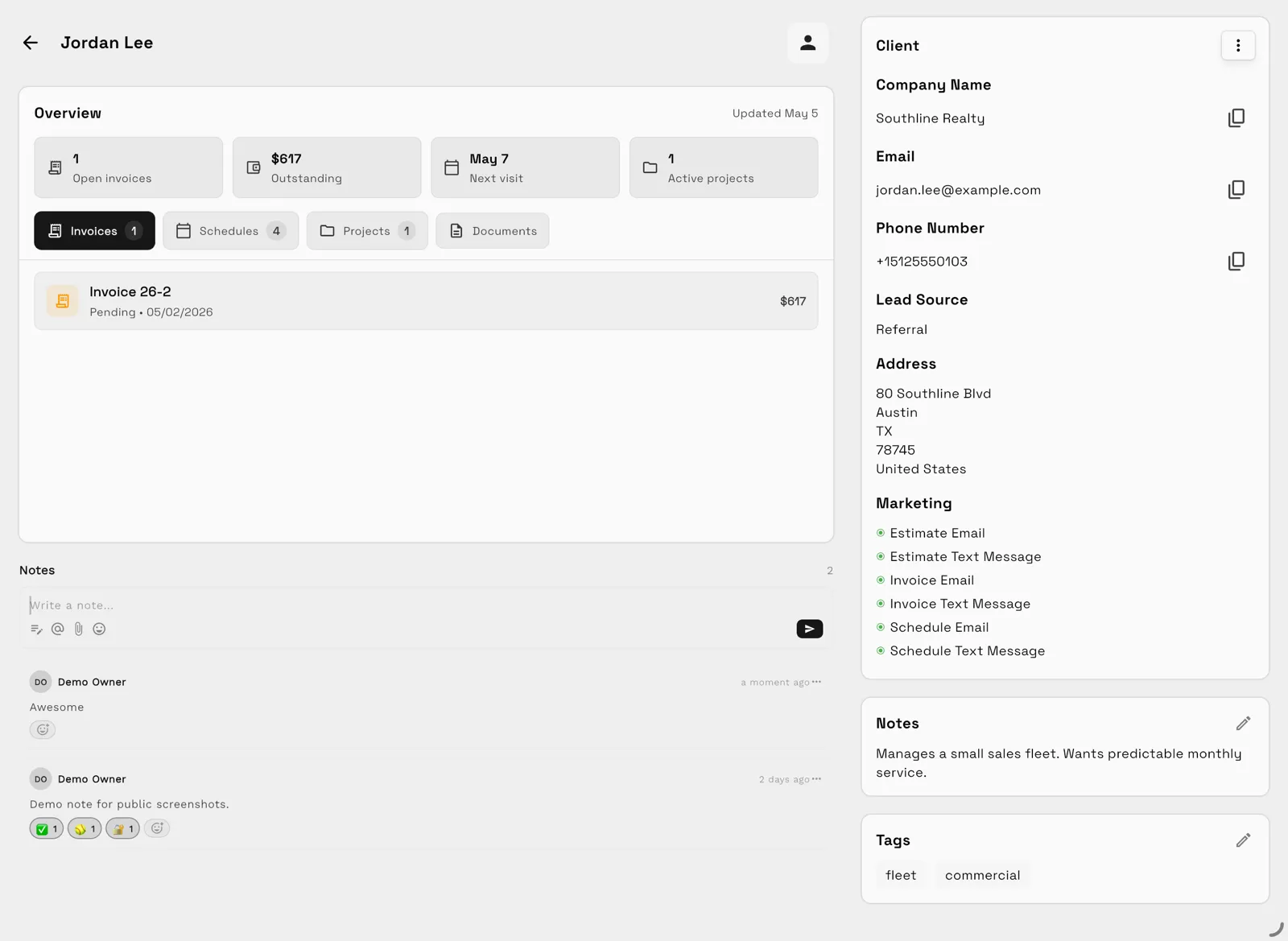
Workspace369 client record showing history, files, communication, and invoices in one profile

Key facts

CRM for commercial / product photographers at Workspace369 covers 9 areas, including client records, proposals, projects and tasks.

The workflow runs in 5 steps, from "initial brief and proposal generation" to "final invoicing and project closure".

Workspace369 starts at $29/mo for 1 seat, and the Commander plan includes 20 seats, 500 GB of storage, and 120,000 AI tokens per month at $299/mo.

Additional seats cost $10 each and 100 GB of additional storage costs $15; full pricing is public on the Workspace369 pricing page.

The problem

Common challenges in commercial photography production

Untracked Image Scope Creep

A product shoot expands its image count after initial sample approval, but the extra deliverables are never documented. Without manual updates to client records or Proposals, the studio shoots additional angles without adjusting the final invoice. Photographers lose revenue because scope adjustments remain buried in casual conversations rather than being tied directly to the active project or invoice.
Misaligned Licensing Terms

Commercial usage rights often change when a client requests more product variations. If these adjusted terms are not recorded in the brief or file notes, the studio cannot track what was agreed upon. Misalignment between the initial proposal and actual asset deployment occurs because the updated usage rights are never formally attached to the client records or project conversations.

Disjointed Communication Across Shoots

Creative feedback and technical specifications get lost when conversations happen across multiple unlinked channels. When a client requests changes to a product sample, the adjustments must be logged in the project tasks or files. Without a structured log, photographers review outdated briefs, leading to incorrect lighting setups or wrong angles that require costly reshoots.

Delayed Billing for Expanded Deliverables

Invoicing for extra images often lags behind asset delivery because the administrative team lacks visibility into project changes. When additional product shots are added, the original invoice is not updated manually. This delay causes friction with clients who receive unexpected billing updates weeks after the files are delivered and the project is closed.

The product

See the workspace your clients feel.

01

A portal clients actually check

Clients watch progress, files, and invoices in a branded portal instead of asking your team for updates.

Workspace369 client record showing history, files, communication, and invoices in one profile
02

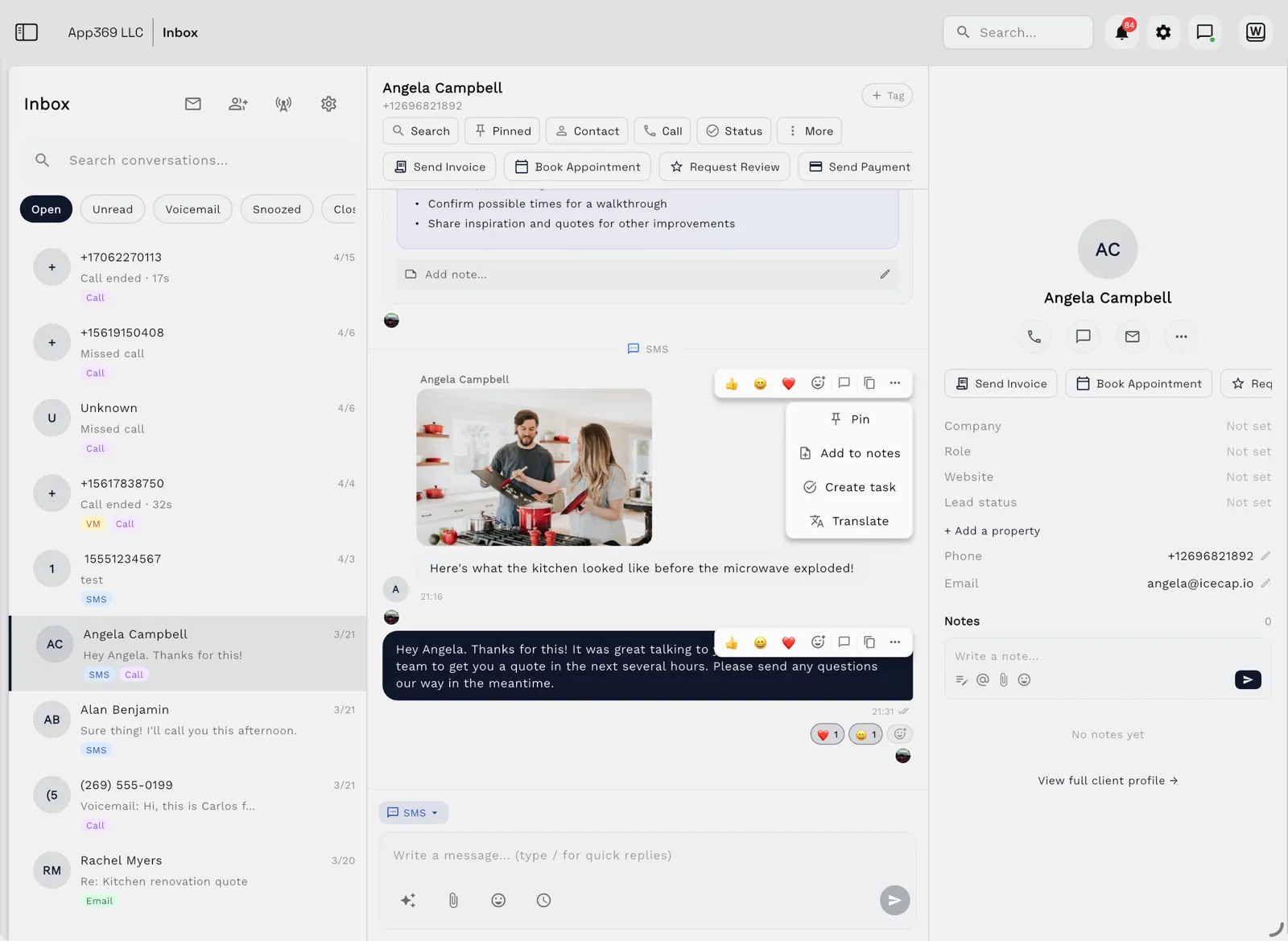
Every channel in one inbox

Email, SMS, calls, and voicemail land beside the client record — with AI summaries, so anyone on the team can reply with full context.

Workspace369 shared inbox showing email, SMS, and call history beside a client record
03

Client work, organized as projects

Tasks, files, and status for every engagement — visible to the team and, through the client portal, to the client.

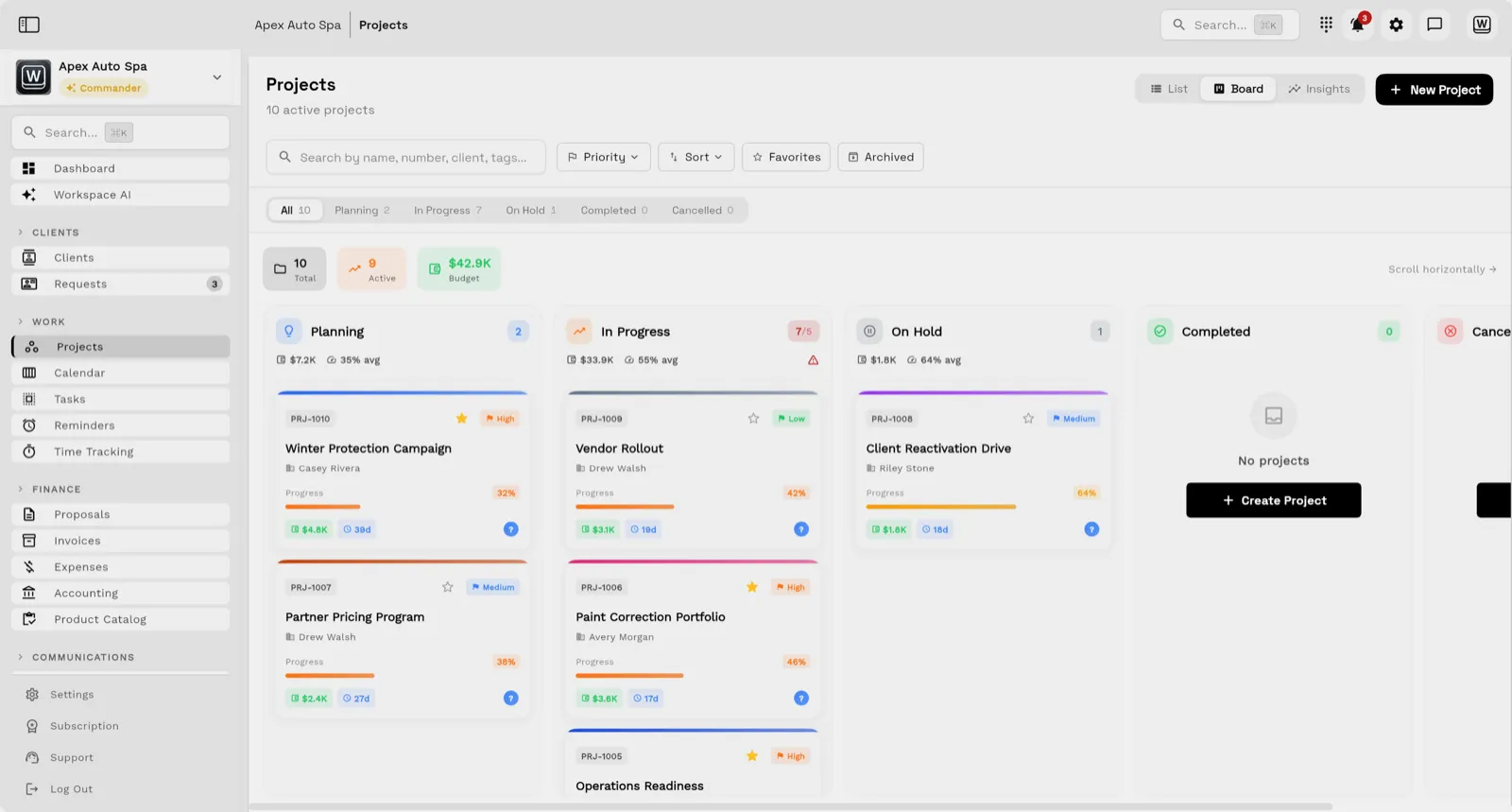
Workspace369 project board showing client work organized into stages with owners and status
04

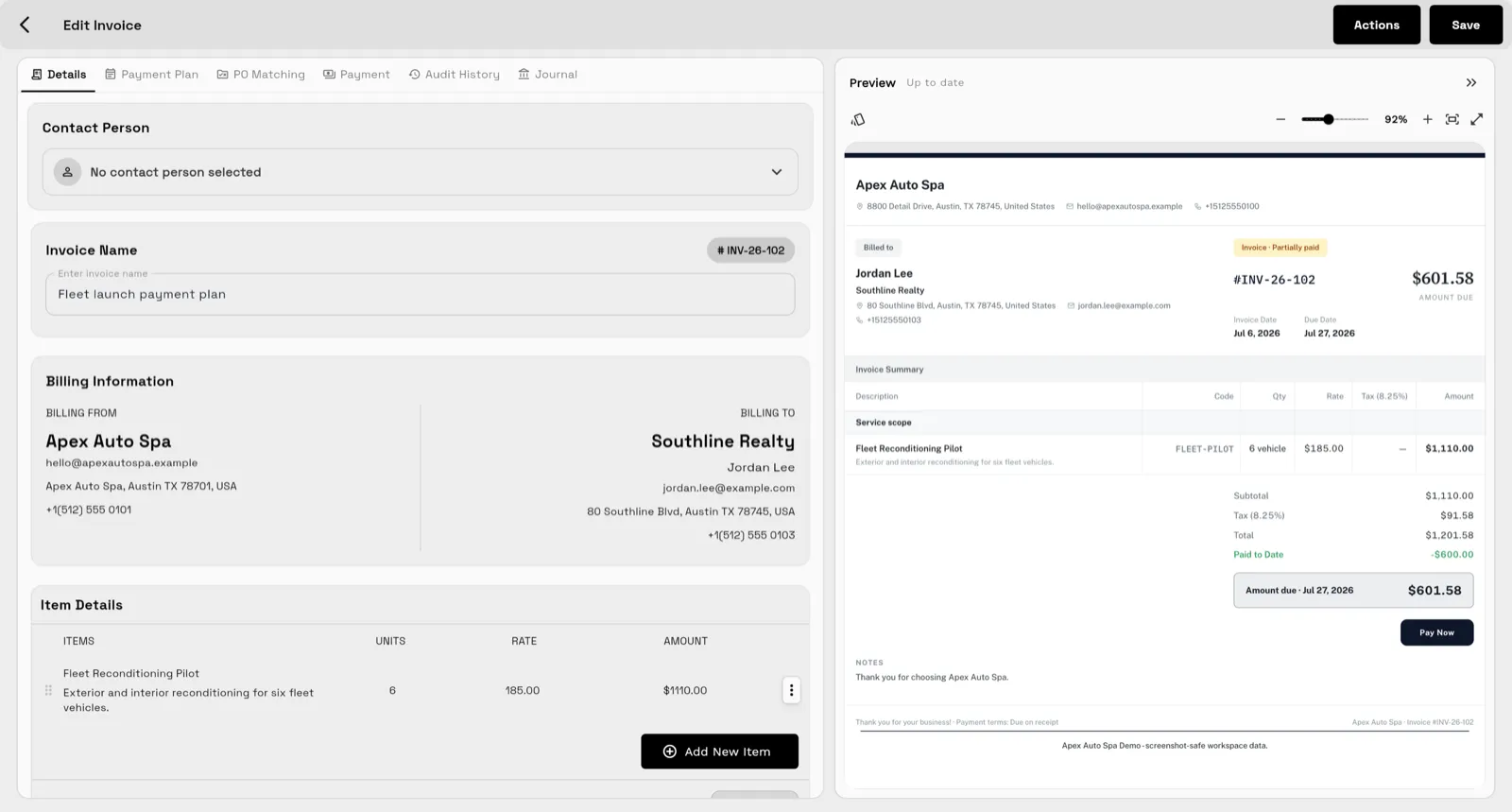
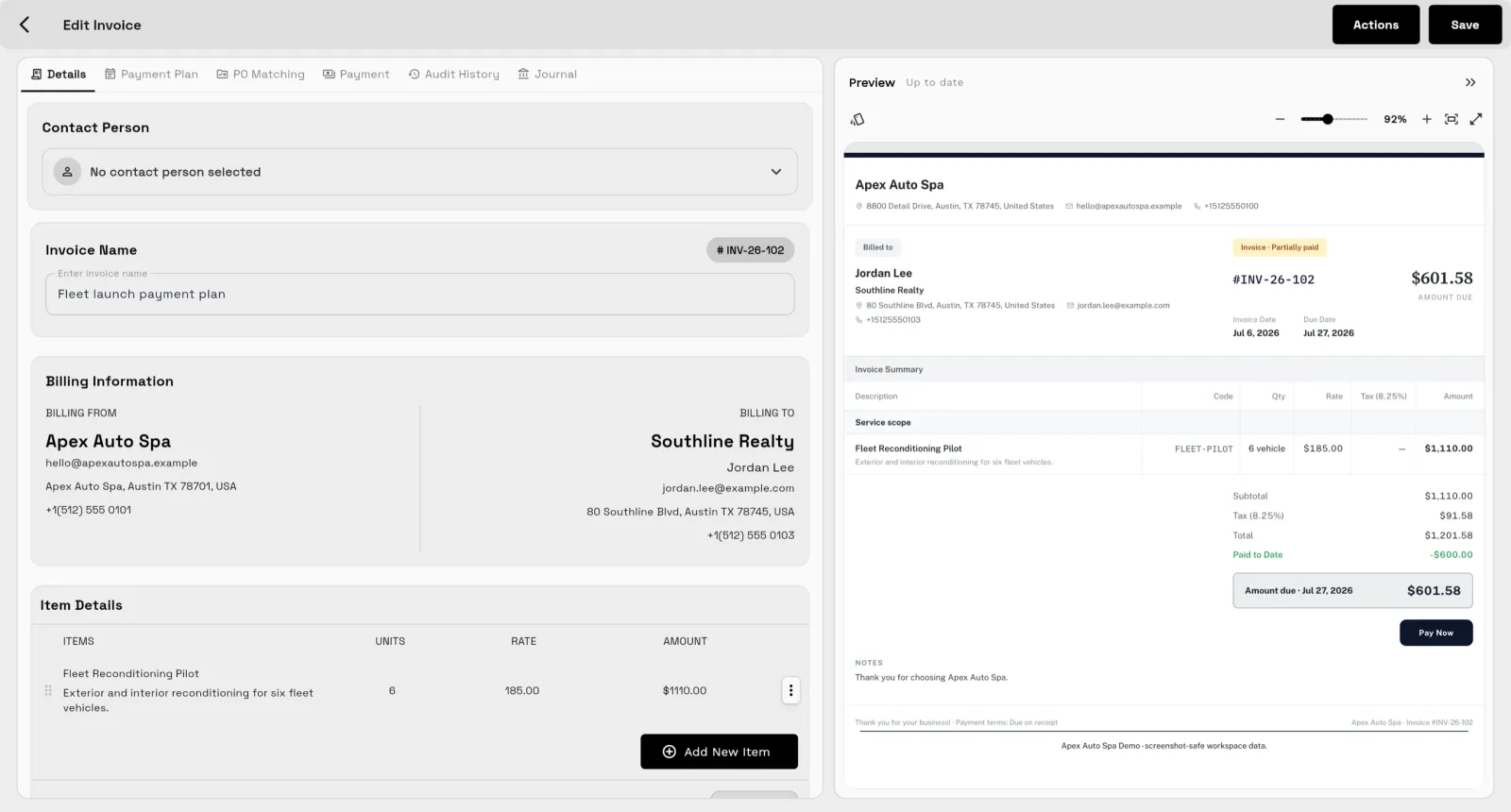
Proposals to paid invoices

Send quotes, bill milestones or retainers, and let automated reminders chase anything outstanding.

Workspace369 invoice editor showing line items, payment terms, and client details

Workflow

Step-by-step studio workflow

01

Initial Brief and Proposal Generation

The studio logs the initial brand requirements in the client records and builds a comprehensive proposal outlining the base image count and licensing limitations. The photographer schedules the initial pre-production call using the scheduling tool, ensuring the client confirms the creative direction. All initial conversations and asset requirements are attached to the proposal before the client reviews it through the client portal.

02

Sample Approval and Scope Tracking

Once the studio uploads the initial sample files, the photographer instructs the client to review the baseline images. If the product shoot expands its image count and licensing usage after a sample is approved, the operator manually notes this expansion in the project brief. The studio updates the active tasks to reflect the additional angles and lighting setups required for the expanded scope.

03

Amending Proposals and Project Tasks

The photographer creates an updated proposal or amends the existing project documentation to reflect the new image count and expanded commercial usage rights. Tasks are manually assigned for the additional post-processing and retouching work. This step helps the team check that each new asset is linked to a specific project record, preventing unbilled studio time during the production phase.

04

Asset Organization and Client Portal Access

The retouched files are organized within the project files section, and the team sets up access parameters for the client portal. A team member manually sends a notification through conversations, prompting the client to verify that the expanded image count matches their updated requirements. This step handles client verification before any final commercial terms are finalized on the invoice.

05

Final Invoicing and Project Closure

The studio manager generates a final invoice that combines the original base fee with the manual adjustments for the expanded image count and licensing usage. The invoice is transmitted through the client portal for payment tracking. Once payment is confirmed, the project status is updated to closed, and all conversations and files are archived within the client records for future reference.

Product coverage

Client operations for commercial / product photographers

  • Human verification confirms that the updated proposal explicitly reflects the expanded image count and adjusted licensing terms before the final invoice is generated.
  • A person verifies through the client portal that the client can view the files and review the updated project terms.
  • Project conversations contain a manual confirmation from the studio operator stating that all additional angles match the amended brief parameters.
Client records
Proposals
Projects and tasks
Files
Conversations
Scheduling
Invoices
Client portal
Workflow Automations

Loved on the App Store

Rated by the people running their client work on it.

★★★★★
Finally feels calm

Bounced between three or four all-in-one tools and always ended up in a mess of tabs. This is the first one that feels calm. Set up my client projects in ten minutes.

Justin R. · Solo founder · App Store review
★★★★★
Painless team rollout

Rolled it out to our eight-person team and adoption was painless — intuitive and polished. I'd love more integrations, but they keep shipping.

Samantha D. · Operations lead · App Store review
★★★★★
Hours back every week

Was juggling separate tools for notes, tasks, docs, and updates. Consolidating into one place has genuinely saved me hours each week. Support is responsive too.

Alicia N. · Agency founder · App Store review

Get started

See Workspace369 on your own client work.

Start a free trial or talk to sales — either way, you will see the whole loop: inbox, projects, portal, and billing.

FAQ

Verification criteria for studio operations

How does the system handle an increase in image count after a sample is approved?

When a product shoot expands its image count after a sample is approved, the operator must manually update the project tasks and client records. You record the changes in the brief and amend the proposal or invoice to reflect the new deliverables, ensuring all commercial terms are documented.

How does Workspace369 handle image licensing terms?

Licensing terms go into the proposal the client e-signs, and final files reach the client through share links or the portal. Enforcement of usage rights stays with the studio and its legal advisers, with the signed proposal as the record of what was agreed.

How are communication changes tracked during a complex product shoot?

All adjustments are handled through the conversations and files features linked to the specific project. When a client requests more angles, the photographer logs these details directly in the project notes or brief, ensuring the studio team can see the changes before updating the final invoice.

Is there an automated system to assign retouching tasks to photographers?

Workflow Automations can create tasks, send email or SMS, issue reminders and notify team members using supported triggers, conditions and timed waits. Email automations start at Cadet and SMS steps at Voyager; AI-drafted workflows start at Commander. Test the required event, owner and review step before enabling the workflow. Call triggers start on Specialist, where voice is included.

Ready when you are

See where Workspace369 fits into your client-work flow.

Start with the modules you need today, then turn on AI, automations, accounting, inventory, requests, and reporting as the operation grows.