CRM for illustrators

CRM for Illustrators with a specific workflow

Independent illustrators and creative studios require clear boundaries when managing client records and active projects. Workspace369 documents initial project scopes in proposals, exchanges artwork files, and issues invoices. By tracking conversations and proposals in one place, studios can monitor when an illustration commissioned for a digital layout faces a new request for physical merchandise production. It runs the business side of your creative practice, from first inquiry to final payment. Illustrators can use these tools to maintain clear communication with clients, ensuring that every project phase is documented according to the agreed workflow, which helps prevent misunderstandings regarding commercial usage rights over time.

Clientthe relationship and agreed brief
Worktasks with a responsible person
Billinginvoices and commercial context
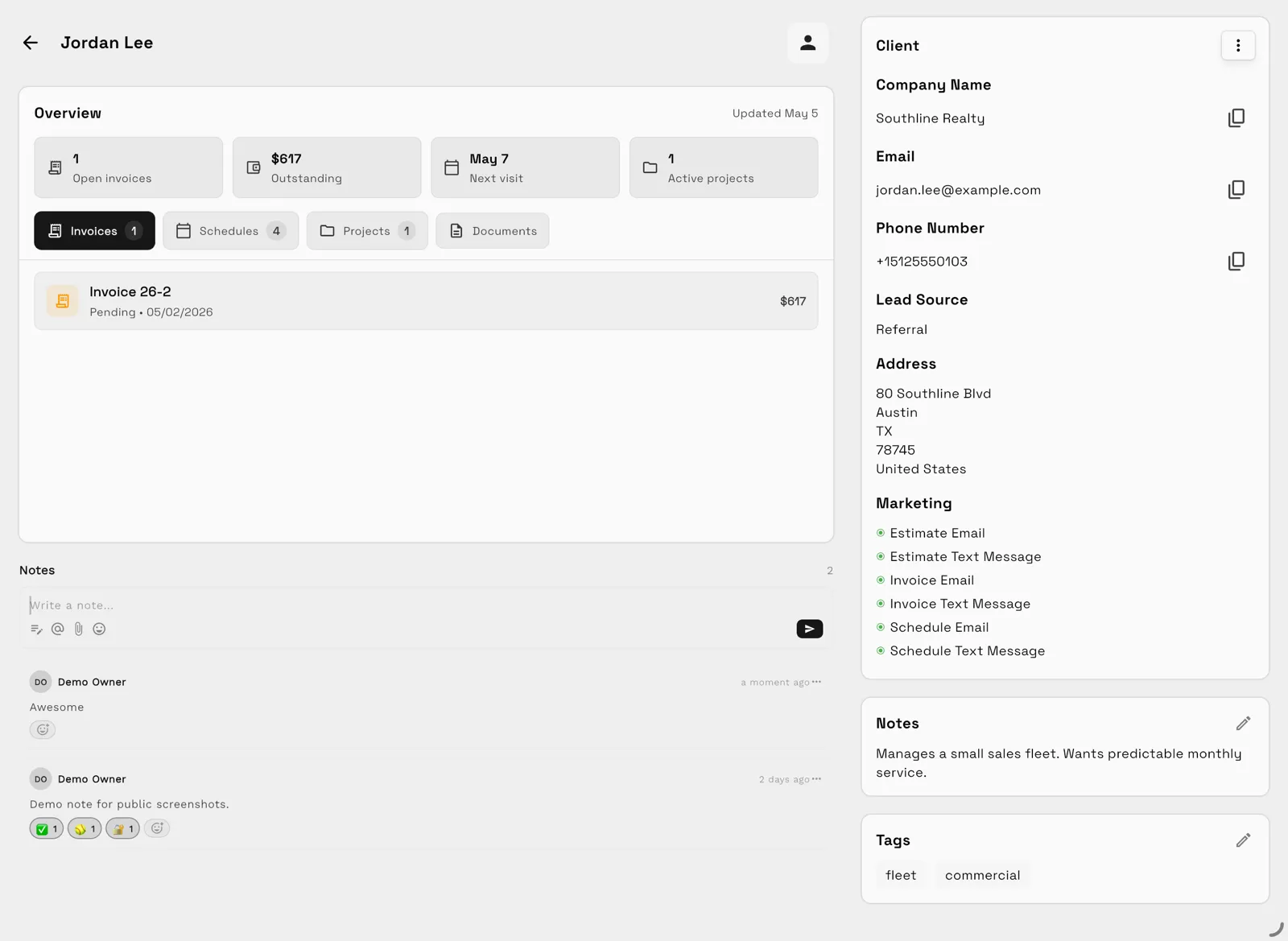
Workspace369 client record showing history, files, communication, and invoices in one profile

Key facts

CRM for illustrators at Workspace369 covers 9 areas, including client records, proposals, projects and tasks.

The workflow runs in 5 steps, from "initial intake and scheduling" to "final delivery and invoicing".

Workspace369 starts at $29/mo for 1 seat, and the Commander plan includes 20 seats, 500 GB of storage, and 120,000 AI tokens per month at $299/mo.

Additional seats cost $10 each and 100 GB of additional storage costs $15; full pricing is public on the Workspace369 pricing page.

The problem

Common Challenges in Illustration Studios

Scope Creep via Licensing Shifts

Clients often request an artwork for a website layout but later apply it to physical merchandise without updating the terms. Without clear client records and linked proposals, tracking these changes becomes difficult for a busy studio. Illustrators must manually verify past conversations to confirm original usage boundaries before starting new tasks or issuing final project invoices. Workspace369 allows illustrators to keep these structural files and agreements linked directly to the client profile, helping the studio review past terms before proceeding with new design requests or expanding the project scope.
Scattered Project Communication

Creative work requires constant feedback on visual assets. When client feedback is split across separate email threads, text messages, and file sharing platforms, artists lose track of the approved brief modifications. Misplaced conversations lead to incorrect revisions and delayed project delivery. Having conversations and files organized within specific projects helps ensure that feedback remains visible to the illustrator during the creation process, provided the team manually logs updates and keeps all client communications within the designated project area.

Delayed Invoicing for Revisions

Extra revision rounds often go unbilled because tracking additional hours or fixed-fee updates feels disconnected from the core project workflow. When invoices are generated in a separate tool away from the primary project tasks, artists forget to add out-of-scope requests. Linking invoices directly to project milestones and proposals helps artists track billing updates when the original creative brief expands significantly, which allows the studio to manage its financial records more accurately alongside active creative tasks.

Disorganized Art Asset Delivery

Sending high-resolution files through temporary download links creates administrative friction when clients lose the files months later. Illustrators spend unbilled time re-sending final artwork. A dedicated client portal allows clients to access their shared files and past invoices independently, reducing repetitive administrative requests and letting the studio focus on execution. The artist can share files and communication directly through this portal, ensuring clients have access to their approved project assets whenever they need them.

The product

See the workspace your clients feel.

01

A portal clients actually check

Clients watch progress, files, and invoices in a branded portal instead of asking your team for updates.

Workspace369 client record showing history, files, communication, and invoices in one profile
02

Every channel in one inbox

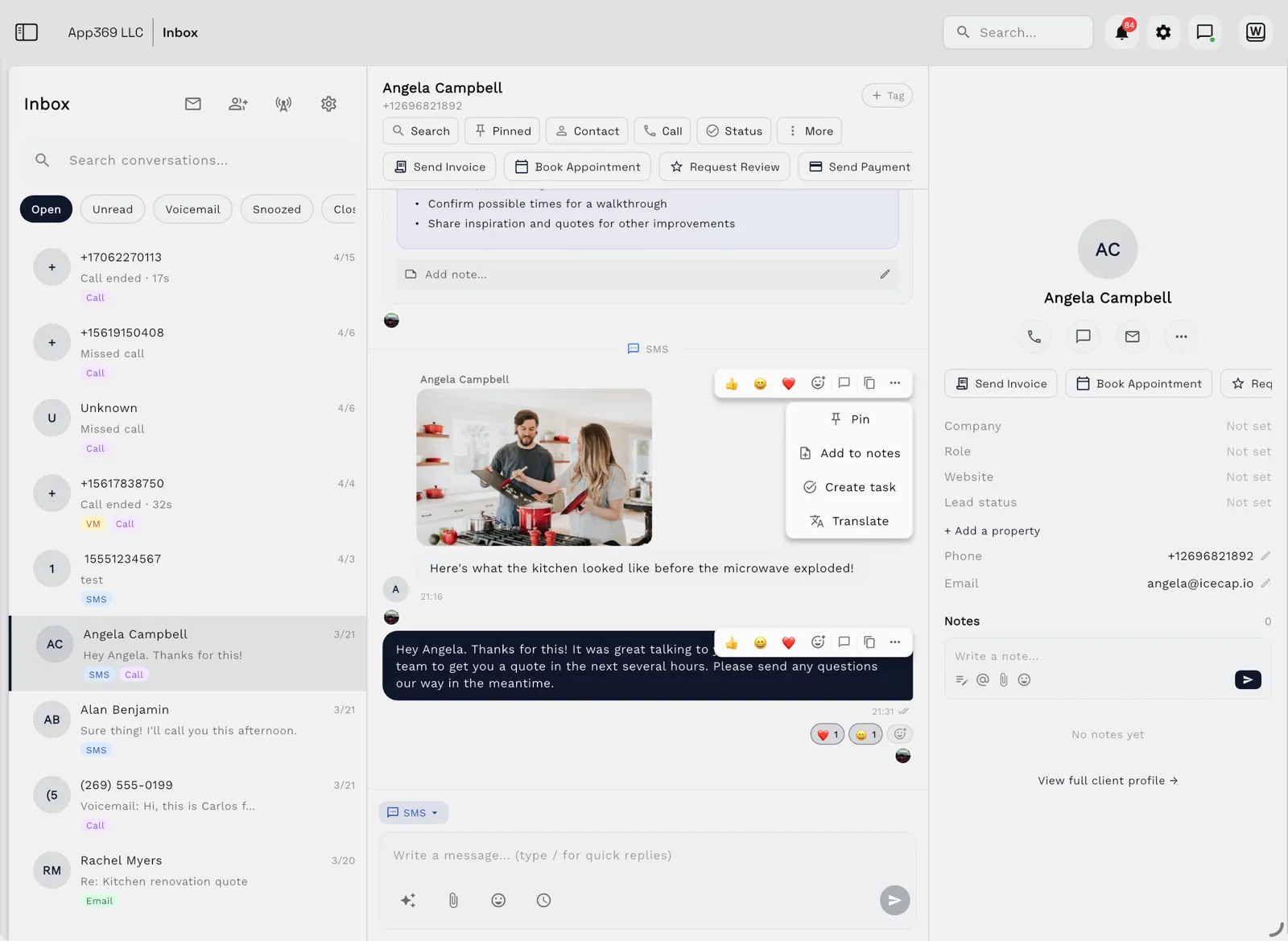
Email, SMS, calls, and voicemail land beside the client record — with AI summaries, so anyone on the team can reply with full context.

Workspace369 shared inbox showing email, SMS, and call history beside a client record
03

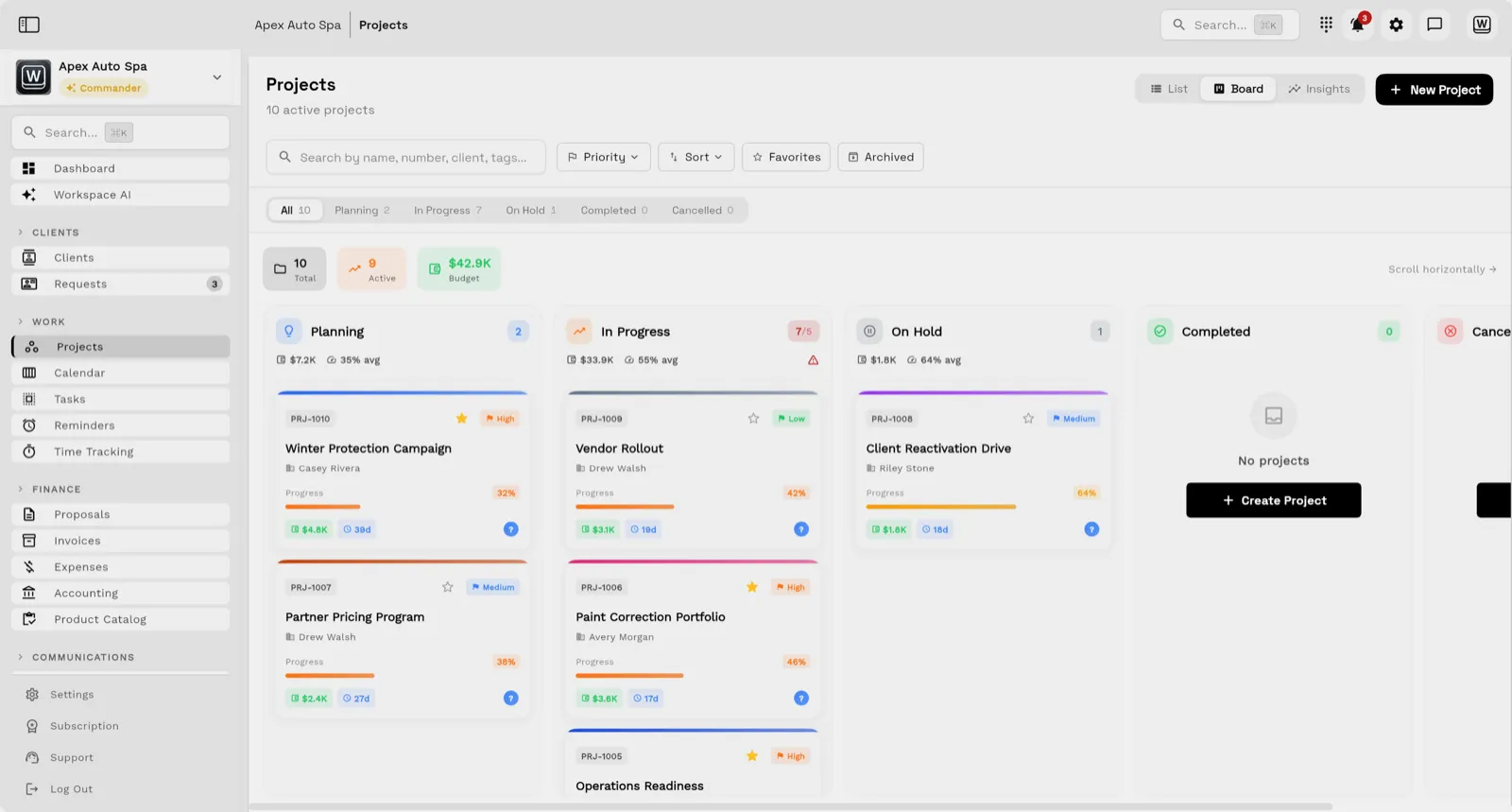
Client work, organized as projects

Tasks, files, and status for every engagement — visible to the team and, through the client portal, to the client.

Workspace369 project board showing client work organized into stages with owners and status
04

Proposals to paid invoices

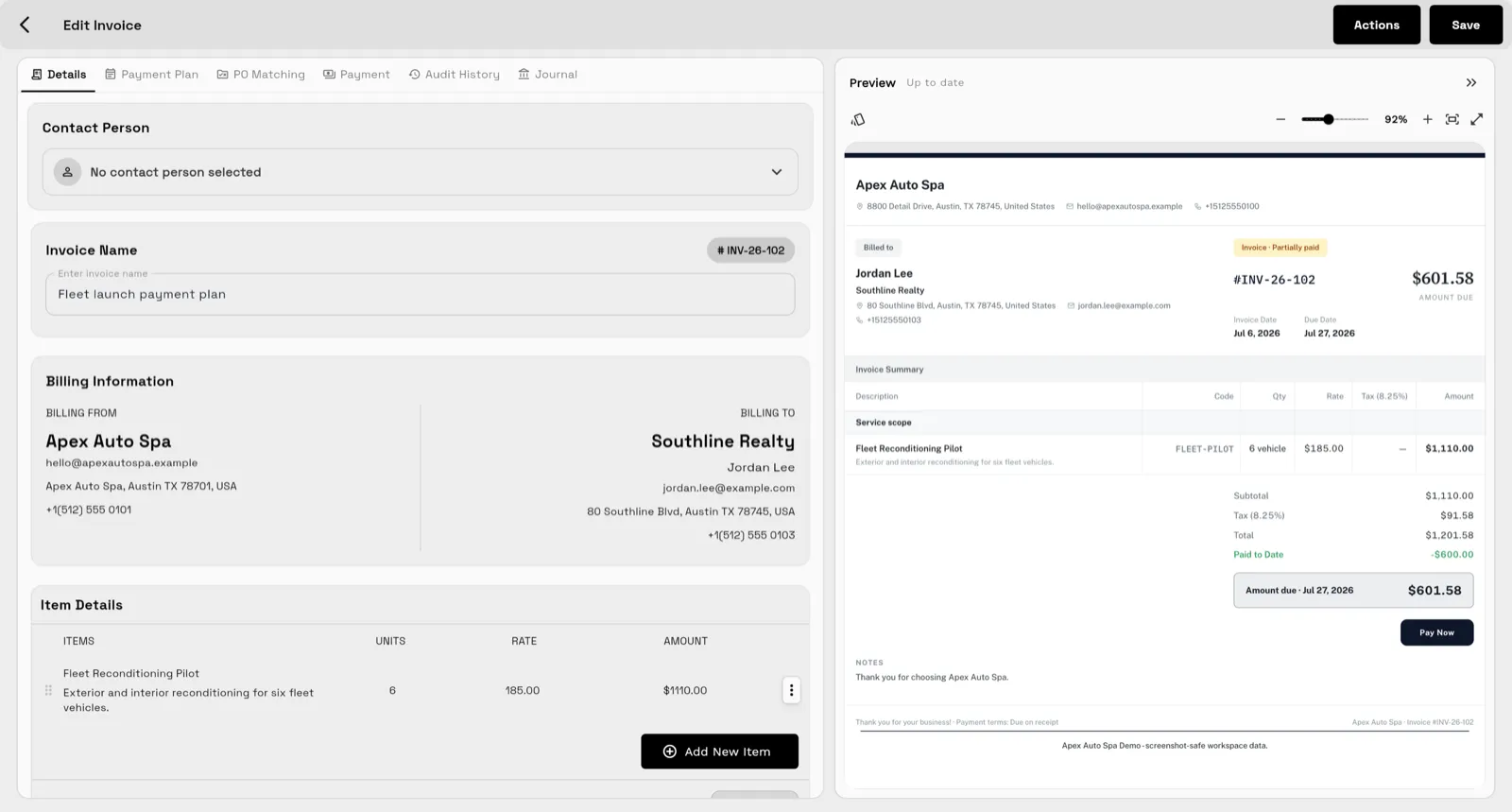
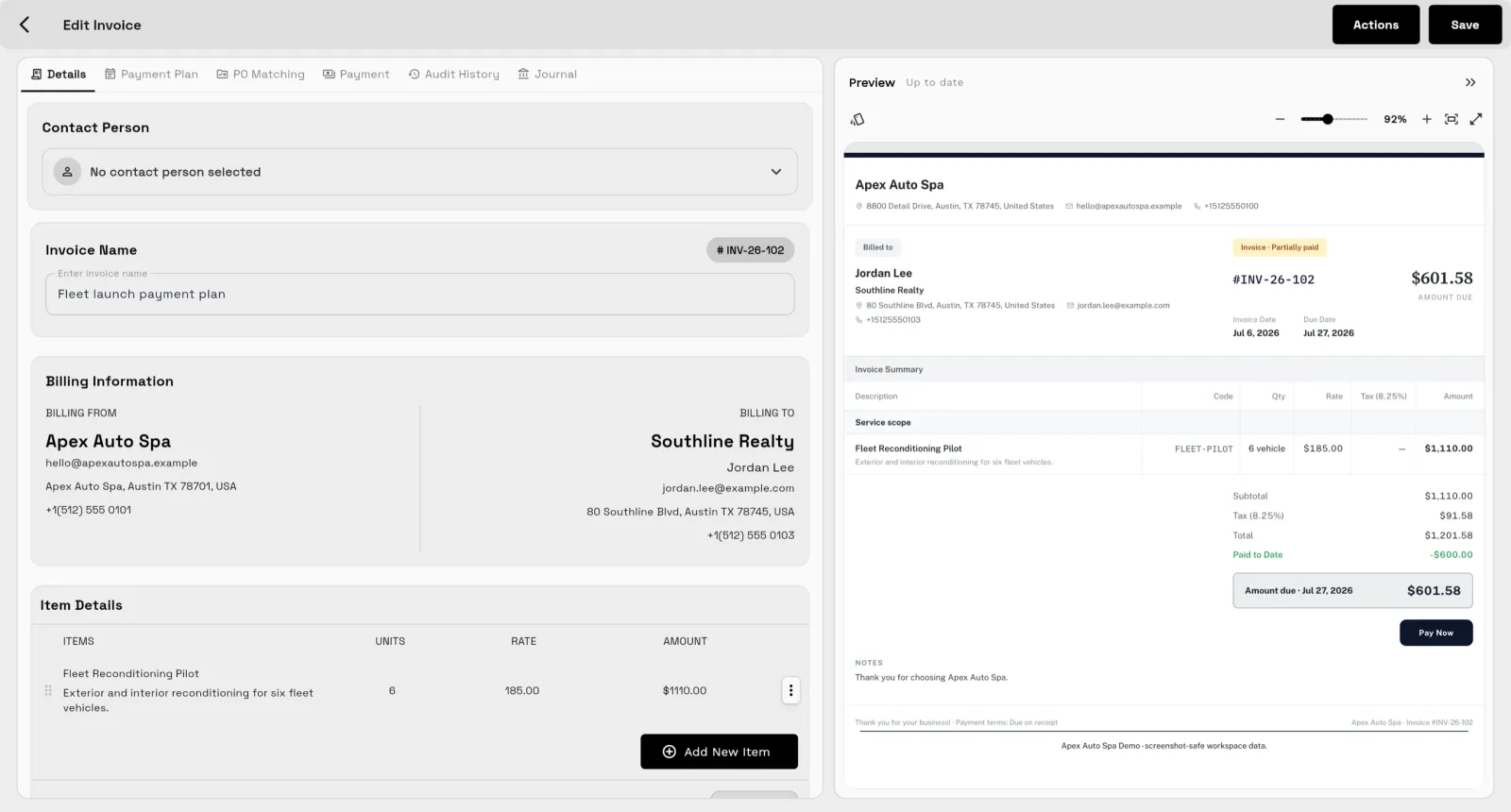
Send quotes, bill milestones or retainers, and let automated reminders chase anything outstanding.

Workspace369 invoice editor showing line items, payment terms, and client details

Workflow

Step-by-Step Illustration Project Workflow

01

Initial Intake and Scheduling

The workflow begins when a prospective client requests a custom artwork. The illustrator uses scheduling links to set up a briefing call. During this call, the artist notes the exact usage parameters, such as digital web use only, and records these details directly into the client records. This initial setup helps ensure that the baseline expectations are documented before any creative concepts or sketches are produced, giving the studio a clear starting point for the new commission.

02

Proposal and Scope Agreement

Next, the artist creates detailed proposals outlining the scope of work, delivery timelines, and specific commercial usage rights. The proposal explicitly details that the work is for a website layout. The client reviews the document and can approve and sign it publicly. This proposal forms the foundation for the project, establishing the financial terms and clear boundaries before tasks begin, allowing both parties to proceed with mutual clarity regarding the project scope and preventing early misunderstandings.

03

Project Setup and Milestone Tasks

Once the proposal is approved, the illustrator manually creates a new project with structured tasks for sketching, line art, and final coloring. The illustrator uploads rough drafts as files, and the client provides feedback through linked conversations. The illustrator can record modifications to the original brief directly in the project notes, ensuring that any deviation from the web-only usage agreement is visible to the artist during the active drawing and revision phases, keeping the project record updated.

04

Handling Merchandise Scope Adjustments

If the client requests to use the website illustration for physical merchandise, the illustrator pauses active tasks. The illustrator generates a new proposal to reflect the expanded commercial usage terms and adjusted fees. The updated terms are saved in the client records by the artist, and the new project tasks for merchandise formatting are scheduled only after the client approves the updated proposal document, ensuring all scope changes are fully documented before any new creative work resumes on the expanded scope.

05

Final Delivery and Invoicing

After final approval, the illustrator uploads the high-resolution files to the client portal for shared access (client file attachments start on Specialist). The final invoice is generated manually, incorporating both the initial web commission fee and the additional merchandise usage adjustments. Once the invoice is marked as paid, the project tasks are closed, leaving a complete history of the commercial transaction for future reference, provided the illustrator has diligently recorded every decision and scope change throughout the entire project lifecycle from start to finish.

Product coverage

Client operations for illustrators

  • The system must successfully link an initial proposal for website usage to the primary client record, allowing the artist to reference the original commercial boundaries during active drawing tasks.
  • The client portal must allow external users to download high-resolution artwork files and view historical invoices without requiring manual email intervention from the illustrator.
  • Conversations regarding scope changes, specifically transitioning an asset from web use to merchandise production, must be recorded alongside the project tasks to justify updated billing amounts.
Client records
Proposals
Projects and tasks
Files
Conversations
Scheduling
Invoices
Client portal
Workflow Automations

Loved on the App Store

Rated by the people running their client work on it.

★★★★★
Finally feels calm

Bounced between three or four all-in-one tools and always ended up in a mess of tabs. This is the first one that feels calm. Set up my client projects in ten minutes.

Justin R. · Solo founder · App Store review
★★★★★
Painless team rollout

Rolled it out to our eight-person team and adoption was painless — intuitive and polished. I'd love more integrations, but they keep shipping.

Samantha D. · Operations lead · App Store review
★★★★★
Hours back every week

Was juggling separate tools for notes, tasks, docs, and updates. Consolidating into one place has genuinely saved me hours each week. Support is responsive too.

Alicia N. · Agency founder · App Store review

Get started

See Workspace369 on your own client work.

Start a free trial or talk to sales — either way, you will see the whole loop: inbox, projects, portal, and billing.

FAQ

Evaluation Criteria for Illustration Workflows

How do I protect my work from unlicensed merchandise use?

Put the usage terms in the proposal your client e-signs, and keep the conversations and files that show what was agreed. If a client goes beyond those terms, the signed proposal and conversation history give you and your legal adviser a clear record to act on.

How do I track additional revision fees inside the project?

When a client requests revisions beyond the original brief, you should record the details in the project conversations. You can then issue a new proposal or update the pending invoices to reflect the additional fees. This ensures all financial changes match the logged tasks before final asset delivery occurs.

Can clients upload their brand guidelines and reference images directly?

Yes, clients can utilize the client portal to upload reference files, brand guidelines, and brief documents directly to their active project. This keeps all necessary visual materials linked to the current tasks and conversations, preventing artists from searching through external communication channels for critical design assets during production.

Is it possible to manage multiple illustration projects for the same client?

Yes, you can create multiple distinct projects under a single client record. Each project retains its own isolated tasks, proposals, files, and invoices. This separation allows you to manage a website illustration project and a merchandise project concurrently for the same client without overlapping their individual communications.

Ready when you are

See where Workspace369 fits into your client-work flow.

Start with the modules you need today, then turn on AI, automations, accounting, inventory, requests, and reporting as the operation grows.