CRM for ux/ui designers

CRM for UX/UI designers with a specific design-to-test workflow

Managing UX/UI projects requires a clear handoff from high-fidelity design to usability testing. Workspace369 organizes your client records, project tasks, and design files so that after screen designs are finalized, the transition to user research is documented. It runs the business side of creative work, from initial proposals to final invoicing, alongside your prototyping software and design collaboration environments.

Clientthe relationship and agreed brief
Worktasks with a responsible person
Billinginvoices and commercial context
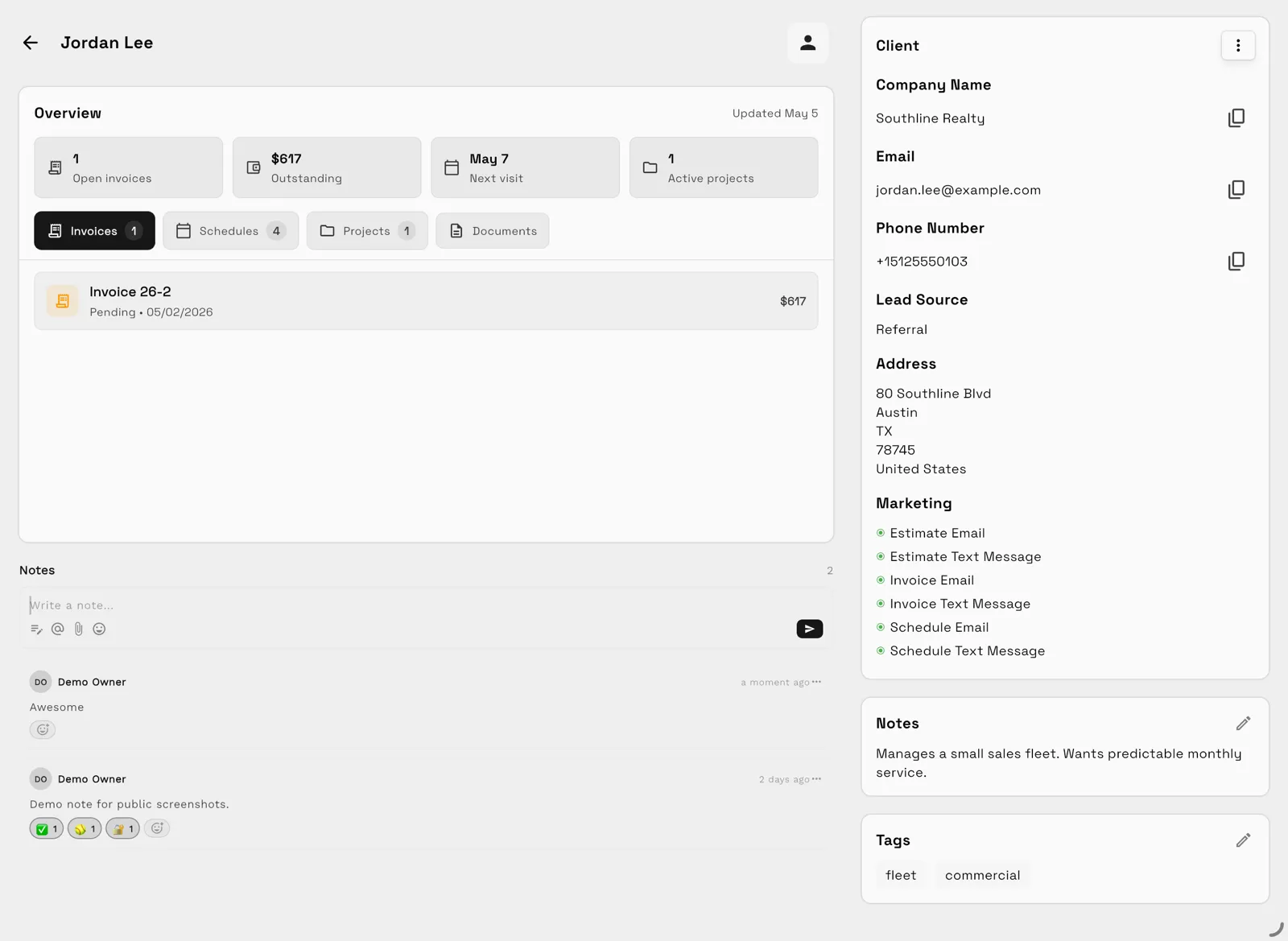
Workspace369 client record showing history, files, communication, and invoices in one profile

Key facts

CRM for ux/ui designers at Workspace369 covers 9 areas, including client records, proposals, projects and tasks.

The workflow runs in 5 steps, from "proposal submission" to "final invoicing".

Workspace369 starts at $29/mo for 1 seat, and the Commander plan includes 20 seats, 500 GB of storage, and 120,000 AI tokens per month at $299/mo.

Additional seats cost $10 each and 100 GB of additional storage costs $15; full pricing is public on the Workspace369 pricing page.

The problem

Challenges in the UX/UI design process

Lost Design Feedback

Designers often lose track of client feedback buried in email threads or chat apps. Workspace369 houses client conversations and files in one location, allowing a person to record design decisions before moving to the testing phase. This helps the team track specifications and keep the project record updated for stakeholders involved in the UI approval process.
Scheduling Testing Sessions

Coordinating usability participants and client observers manually leads to scheduling challenges and missed research windows. Using the scheduling feature allows you to block out research sprints and, from Specialist, share booking pages with participants, helping keep the UX process on track. This supports the transition from design agreement to active user testing within the planned project timeline.

Disorganized Prototype Handoffs

When moving from screen design to testing, tasks and files often get scattered across different folders. The project and task management tools allow you to map out the transition, so a person can link design files to the correct testing task for the research team. This helps maintain a connection between the creative assets and the research objectives, making it easier to track project progress.

Invoicing Complexity

Billing for design iterations and separate research phases can become a manual calculation challenge. Workspace369 handles invoices based on project milestones, allowing you to bill for the design phase immediately after screen agreement and before the usability testing begins. This helps your studio manage billing and send invoices for the specific services delivered during the engagement.

The product

See the workspace your clients feel.

01

A portal clients actually check

Clients watch progress, files, and invoices in a branded portal instead of asking your team for updates.

Workspace369 client record showing history, files, communication, and invoices in one profile
02

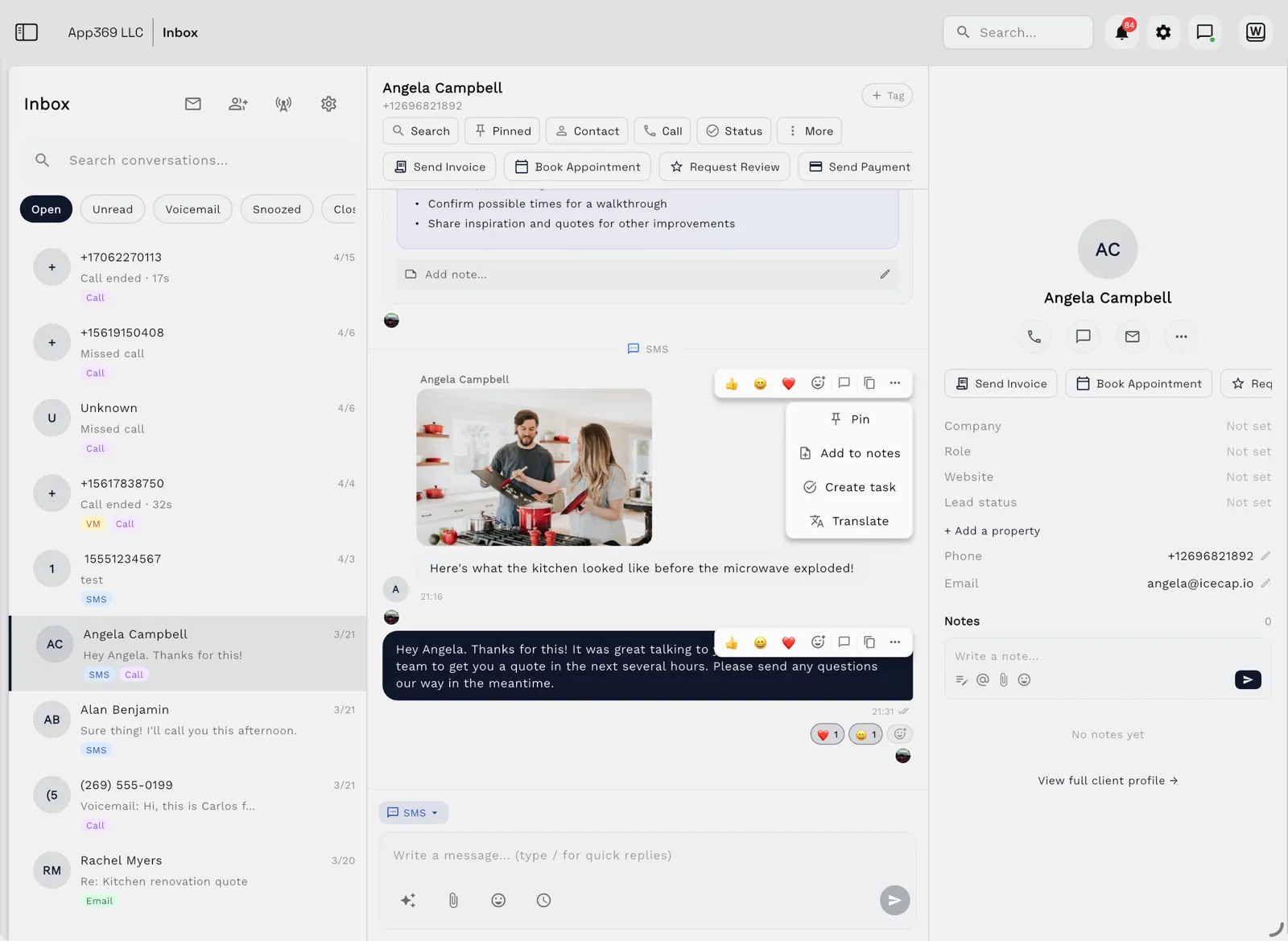
Every channel in one inbox

Email, SMS, calls, and voicemail land beside the client record — with AI summaries, so anyone on the team can reply with full context.

Workspace369 shared inbox showing email, SMS, and call history beside a client record
03

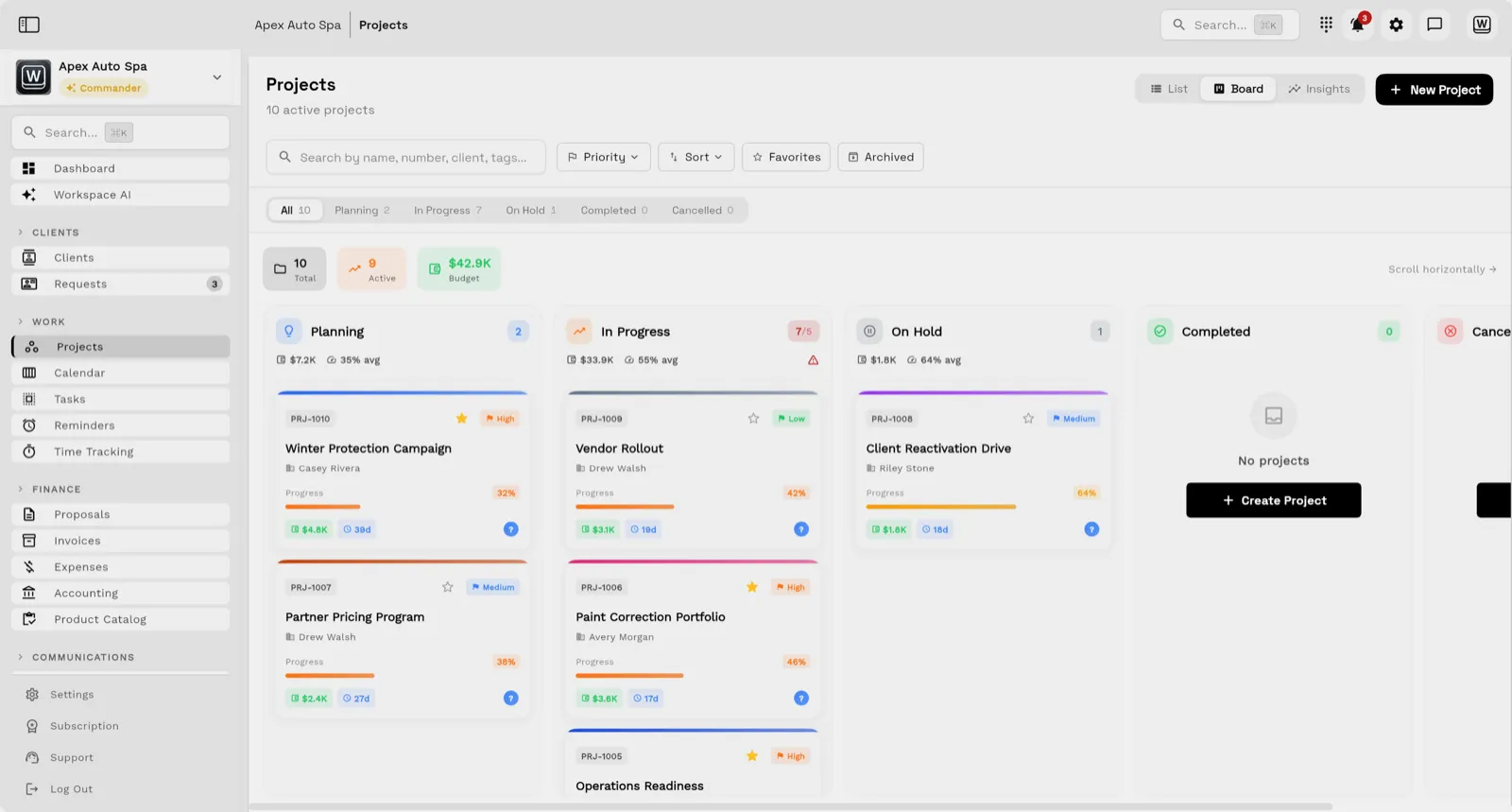
Client work, organized as projects

Tasks, files, and status for every engagement — visible to the team and, through the client portal, to the client.

Workspace369 project board showing client work organized into stages with owners and status
04

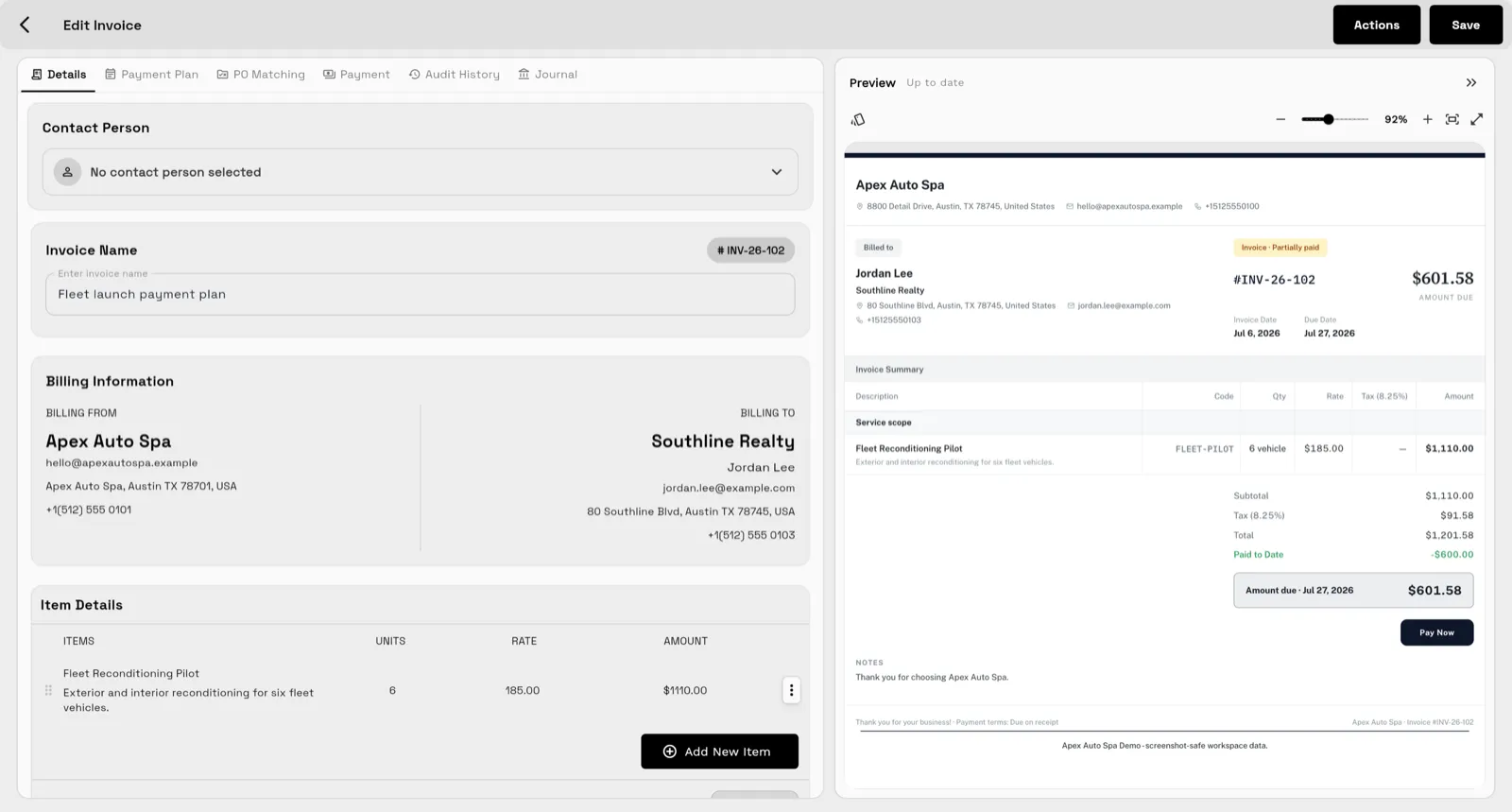
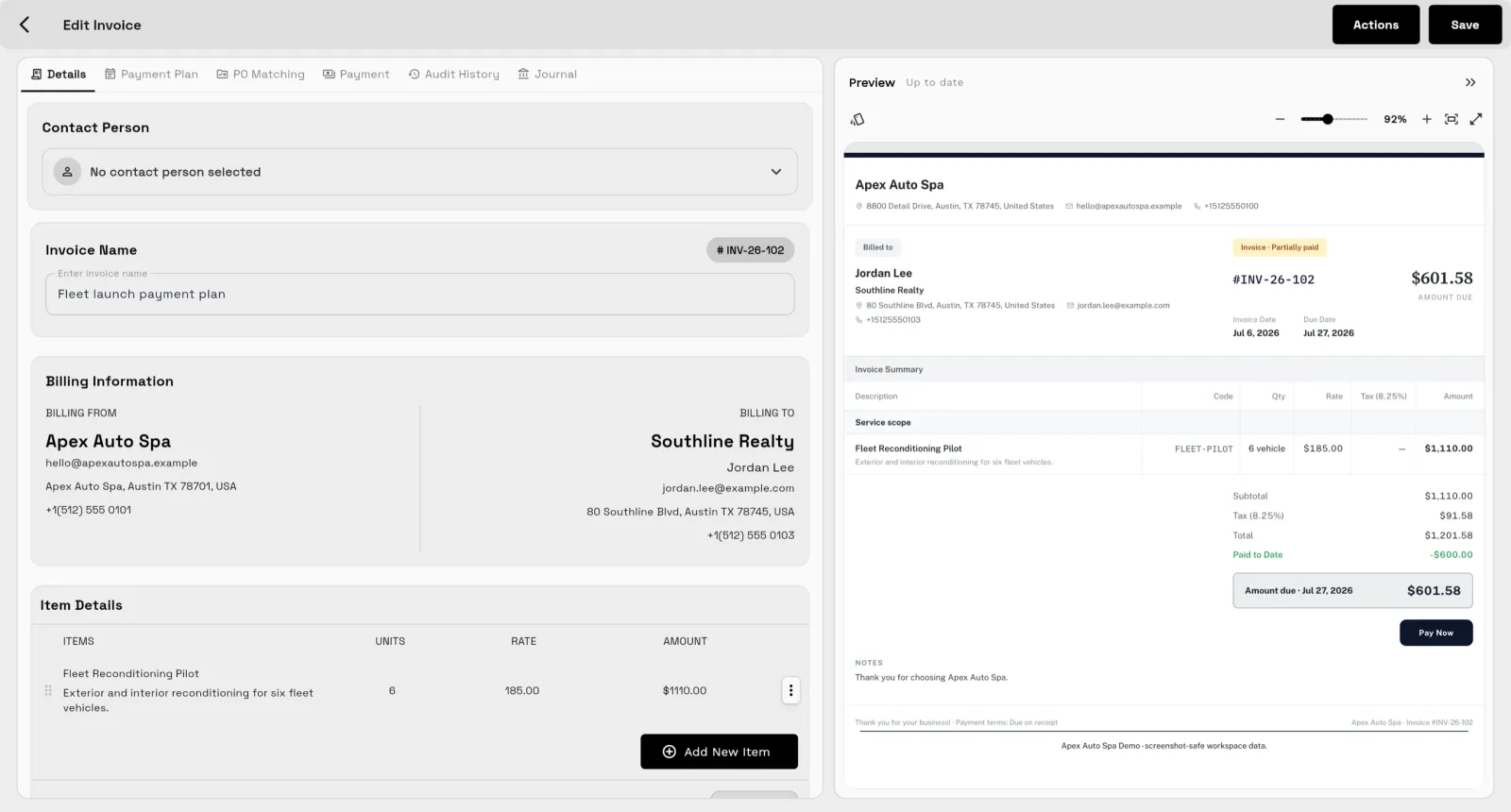
Proposals to paid invoices

Send quotes, bill milestones or retainers, and let automated reminders chase anything outstanding.

Workspace369 invoice editor showing line items, payment terms, and client details

Workflow

The design-to-test client workflow

01

Proposal Submission

Draft a proposal detailing the scope for both the UI design phase and the subsequent UX testing phase. Send this to the client for digital acceptance, ensuring all design deliverables and testing parameters are agreed upon before the project starts in the system. This initial record sets the stage for all future tasks and helps clarify the transition from creative design to research for the client.

02

Design Project Setup

Create a new project record and break it down into tasks for wireframing and high-fidelity design. Upload initial design files and keep client conversations within the project record to maintain a history of design choices and client approvals. This organization allows the design team to stay focused on the creative work while a person records the client requirements and project history in the system.

03

Screen Design Agreement

Once designs are finalized, record the client's agreement in the project brief. This acts as the formal trigger to move from the creative design phase into the technical usability testing phase, helping to verify that work proceeds with a documented sign-off. By recording this agreement in the system, you can manage scope creep and base the testing phase on the approved designs.

04

Usability Testing Schedule

Use the scheduling tool to invite participants for testing sessions. Link these sessions to specific tasks in the project to track progress. Record the findings in the client records so the research outcomes are accessible for the final UI iterations. This step helps coordinate the scheduling of participants and allows a person to tie research data back to the original designs.

05

Final Invoicing

Generate an invoice for the completed design and testing phases. The client can access this through the client portal, where they also view the final project files and conversation history, providing a professional conclusion to the UX/UI engagement. This final step closes out the engagement and provides the client with access to the project deliverables and the final billing.

Product coverage

Client operations for ux/ui designers

  • Check that the project record contains a specific Screen Design Agreement task that is marked complete before any usability testing scheduling tasks are initiated by the team.
  • Verify that all design files and participant conversation logs are attached to the relevant project record, allowing a human to trace the design logic from wireframe to test.
  • Confirm that the client portal displays the final invoice and the agreed-upon design files, providing the client with a permanent record of the project deliverables and billing.
Client records
Proposals
Projects and tasks
Files
Conversations
Scheduling
Invoices
Client portal
Workflow Automations

Loved on the App Store

Rated by the people running their client work on it.

★★★★★
Finally feels calm

Bounced between three or four all-in-one tools and always ended up in a mess of tabs. This is the first one that feels calm. Set up my client projects in ten minutes.

Justin R. · Solo founder · App Store review
★★★★★
Painless team rollout

Rolled it out to our eight-person team and adoption was painless — intuitive and polished. I'd love more integrations, but they keep shipping.

Samantha D. · Operations lead · App Store review
★★★★★
Hours back every week

Was juggling separate tools for notes, tasks, docs, and updates. Consolidating into one place has genuinely saved me hours each week. Support is responsive too.

Alicia N. · Agency founder · App Store review

Get started

See Workspace369 on your own client work.

Start a free trial or talk to sales — either way, you will see the whole loop: inbox, projects, portal, and billing.

FAQ

Validation criteria for the UX/UI workflow

Where do my Figma prototypes live?

Keep live prototypes in Figma or your design tool. Workspace369 records the project tasks, stores static design files for reference, and manages the client conversations, approvals and invoices around those prototypes.

How do I handle usability participant feedback?

You should record participant feedback within the project conversation or as attached files within the specific testing task. This allows the research data to be tied to the client record and project history, providing a documented record of why certain UI changes were made based on the testing results.

How does participant recruitment fit?

Recruit participants through your research panel or other channels, then use Workspace369 scheduling to coordinate their sessions, linking them to your design project tasks to maintain a complete project timeline for the client.

How do I bill for design changes after testing?

You can create a new invoice or update the project tasks to reflect additional design iterations. By recording these changes in the project conversation, you maintain transparency with the client about why additional costs are being incurred based on the usability test results and subsequent UI refinements.

Ready when you are

See where Workspace369 fits into your client-work flow.

Start with the modules you need today, then turn on AI, automations, accounting, inventory, requests, and reporting as the operation grows.