CRM for virtual assistants

CRM for Virtual Assistants Managing Stakeholder Allocation

Virtual assistants frequently operate under fixed monthly hours agreements while receiving conflicting operational directives from multiple stakeholders within a single client organization. Workspace369 runs that work in one system: client records, proposals, projects and tasks, time tracking from Voyager, client messages and invoices. Operators document each work allocation and log billable time, so everyone can see how much of the monthly agreement is used before new requests start.

Clientthe relationship and agreed brief
Worktasks with a responsible person
Billinginvoices and commercial context
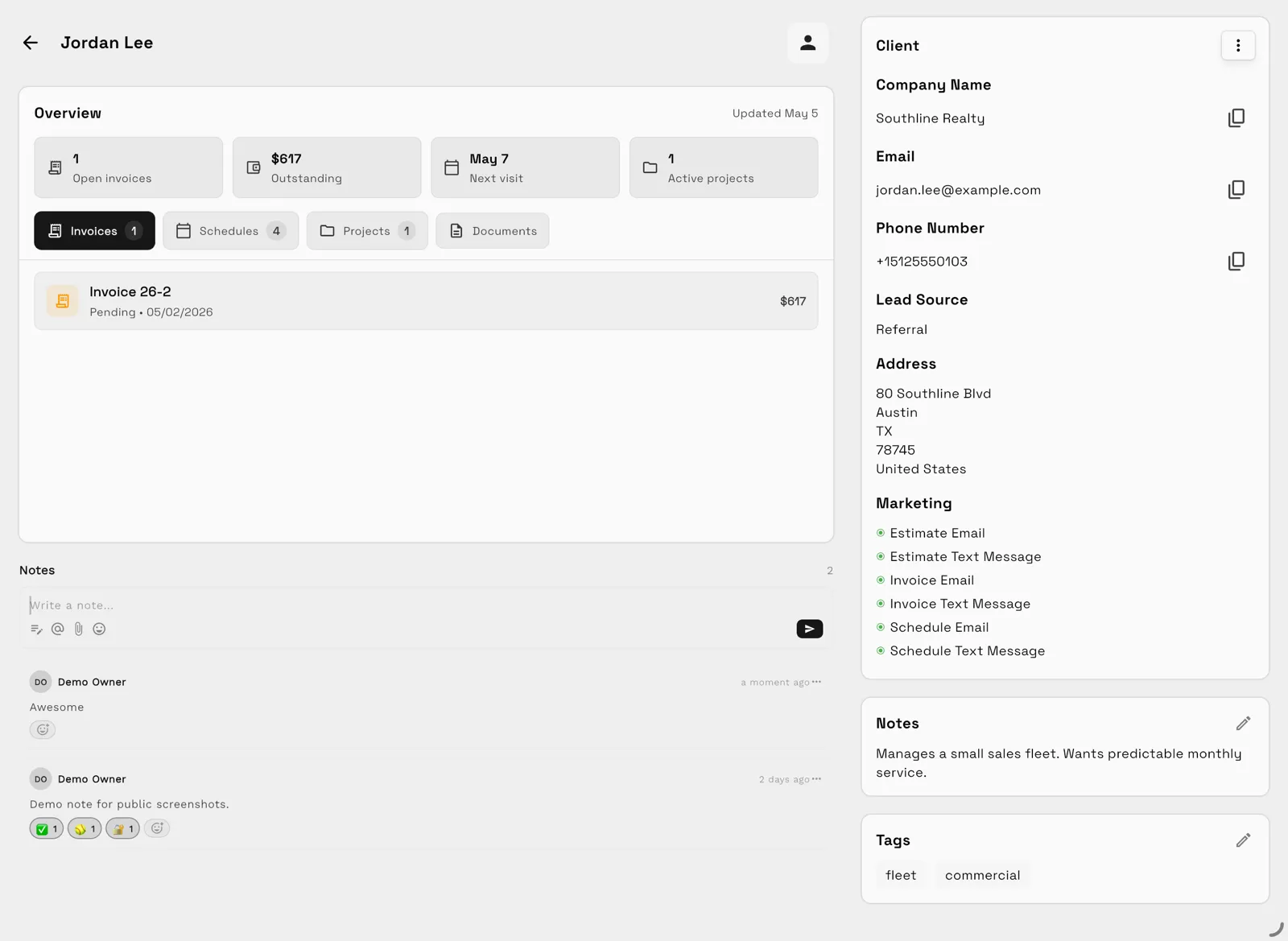
Workspace369 client record showing history, files, communication, and invoices in one profile

Key facts

CRM for virtual assistants at Workspace369 covers 9 areas, including client records, proposals, projects and tasks.

The workflow runs in 5 steps, from "establish client records and hour limits" to "deploy client portal and issue invoices".

Workspace369 starts at $29/mo for 1 seat, and the Commander plan includes 20 seats, 500 GB of storage, and 120,000 AI tokens per month at $299/mo.

Additional seats cost $10 each and 100 GB of additional storage costs $15; full pricing is public on the Workspace369 pricing page.

The problem

Operational Risks in Multi-Stakeholder Virtual Assistance

Conflicting Stakeholder Directives

When two managers from the same client company assign tasks simultaneously, a virtual assistant faces conflicting operational priorities. Without clear documentation inside client records, hours are consumed on low-value tasks before the primary stakeholder can intervene. This administrative friction leads to unbillable overages, missed delivery targets, and broken agreements. Operators require an explicit method to log tasks and sort priority sequences before executing assignments.
Monthly Hours Agreement Overages

Operating under a rigid monthly hours agreement requires constant tracking of completed tasks and pending projects. When multiple stakeholders submit work independently, the agreed cap is often exceeded before the mid-month review occurs. Virtual assistants cannot rely on memory to enforce boundaries. They need a structured format to link ongoing tasks directly to the active monthly agreement, preventing unauthorized work from being initiated.

Credential Exposure in Project Notes

Virtual assistants require access to client systems but often store credentials incorrectly. Placing passwords or API keys inside standard CRM task descriptions or project files violates basic data security boundaries. When multiple internal or external operators access the system, this sensitive information becomes exposed. Client-work tools must isolate tracking from credential storage, keeping passwords restricted strictly to a dedicated third-party password manager.

Scattered Conversation Records

Receiving instructions across email, text, and chat tools creates fragmented communication trails. When a dispute arises regarding which stakeholder authorized a specific project, searching multiple platforms wastes billable hours. Virtual assistants need to consolidate these threads into verifiable conversations linked directly to client records. Without this administrative consolidation, verifying the origin of conflicting instructions becomes difficult during monthly billing reviews.

The product

See the workspace your clients feel.

01

A portal clients actually check

Clients watch progress, files, and invoices in a branded portal instead of asking your team for updates.

Workspace369 client record showing history, files, communication, and invoices in one profile
02

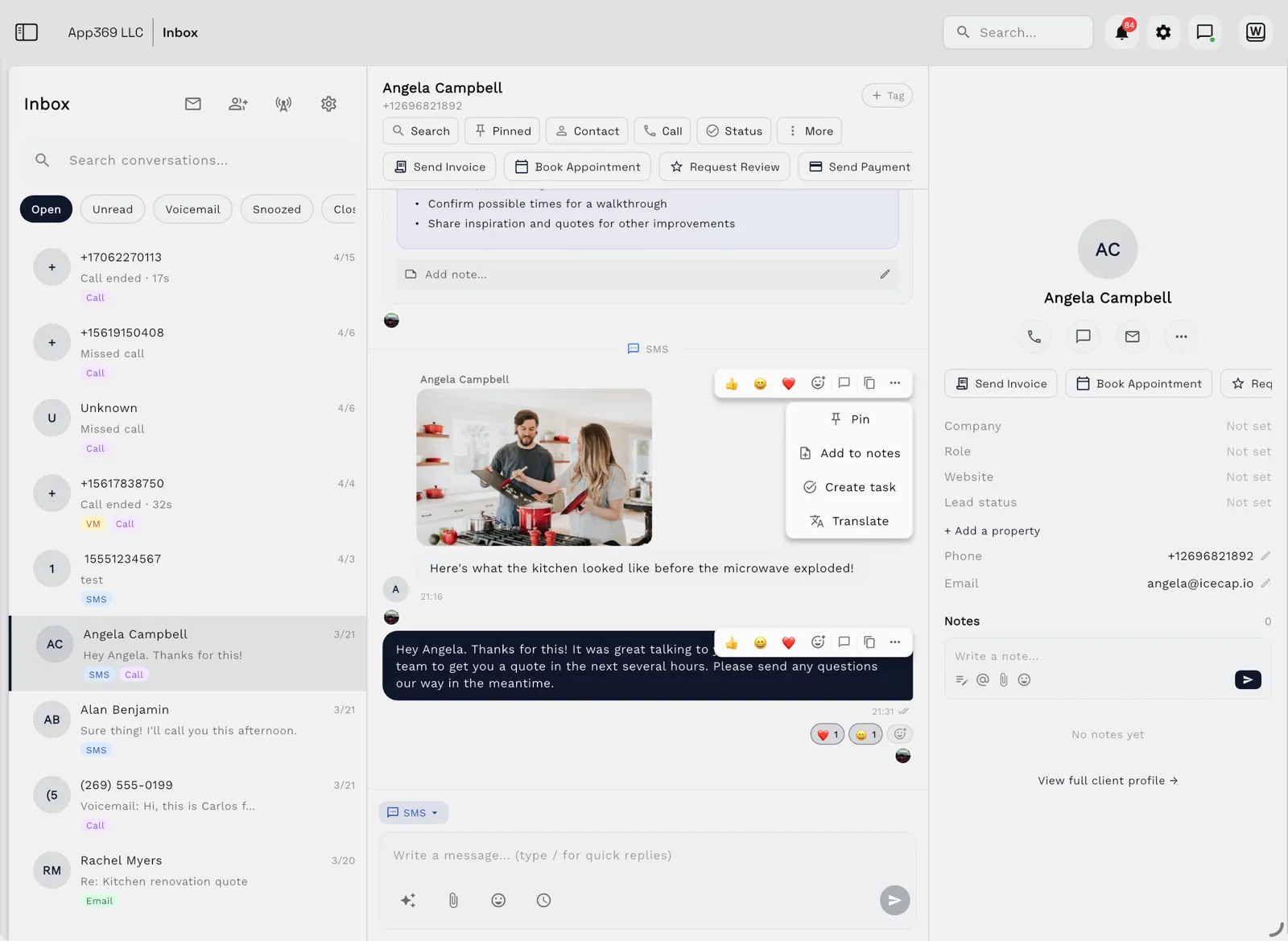
Every channel in one inbox

Email, SMS, calls, and voicemail land beside the client record — with AI summaries, so anyone on the team can reply with full context.

Workspace369 shared inbox showing email, SMS, and call history beside a client record
03

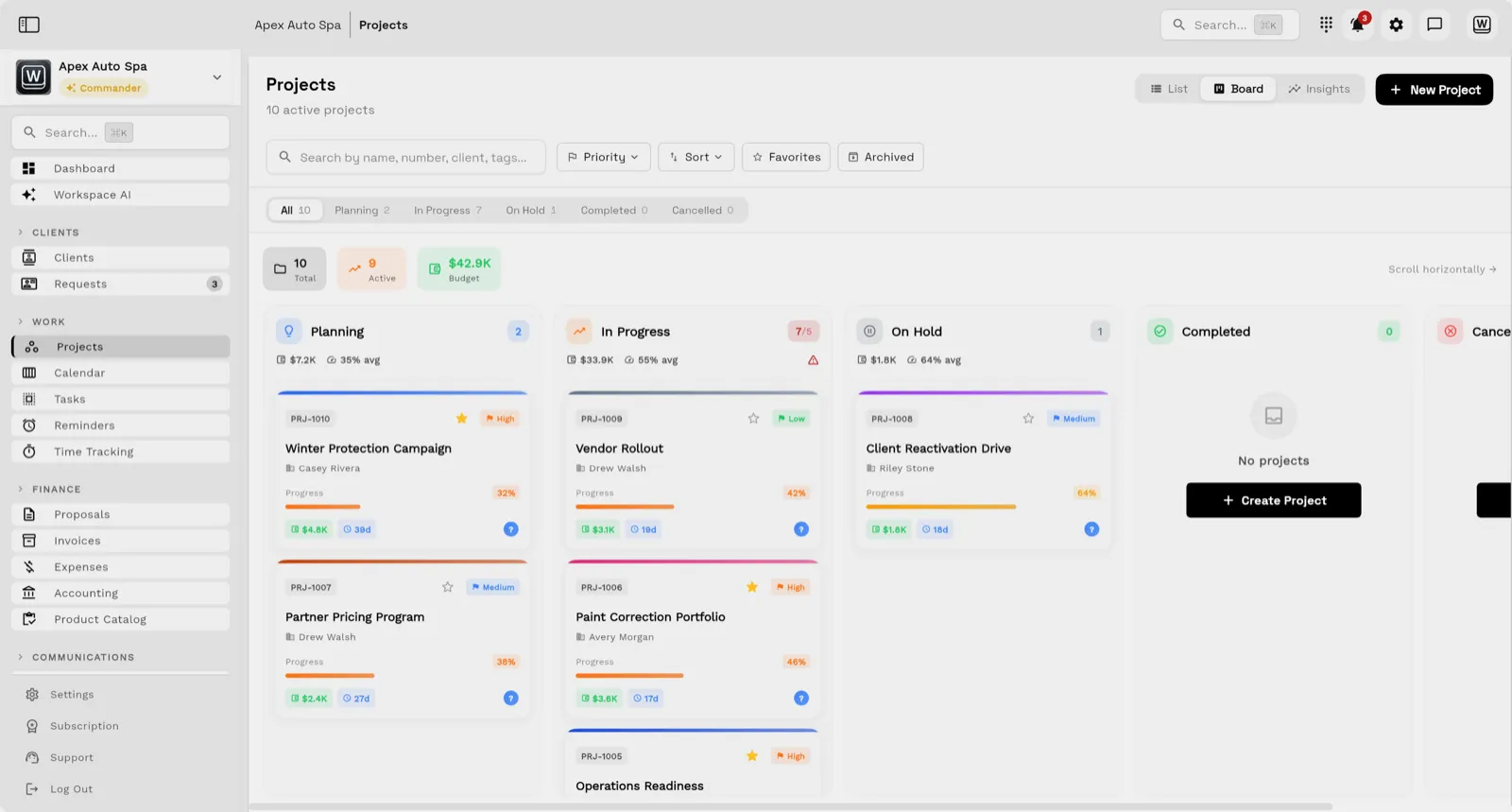
Client work, organized as projects

Tasks, files, and status for every engagement — visible to the team and, through the client portal, to the client.

Workspace369 project board showing client work organized into stages with owners and status
04

Proposals to paid invoices

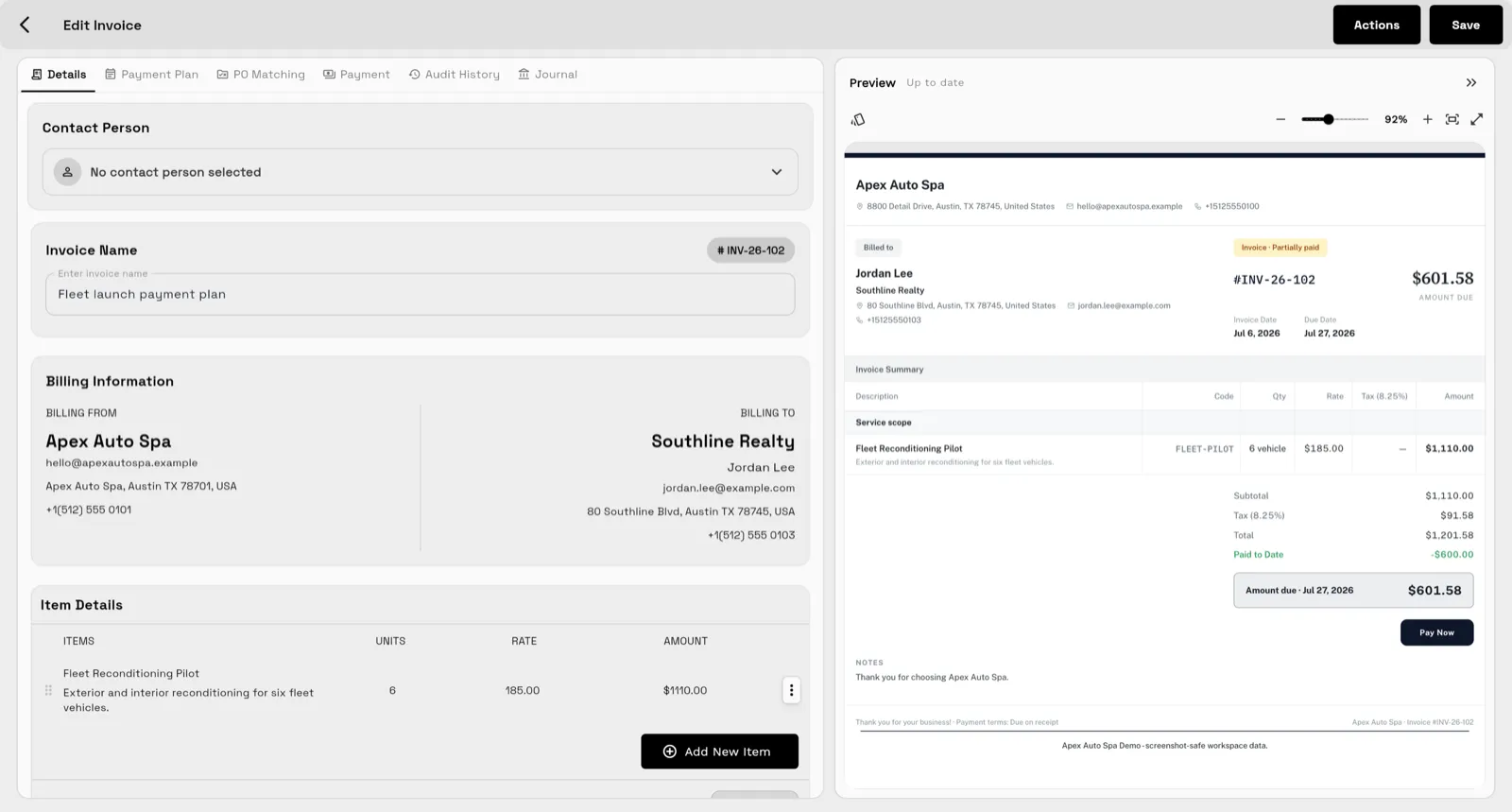
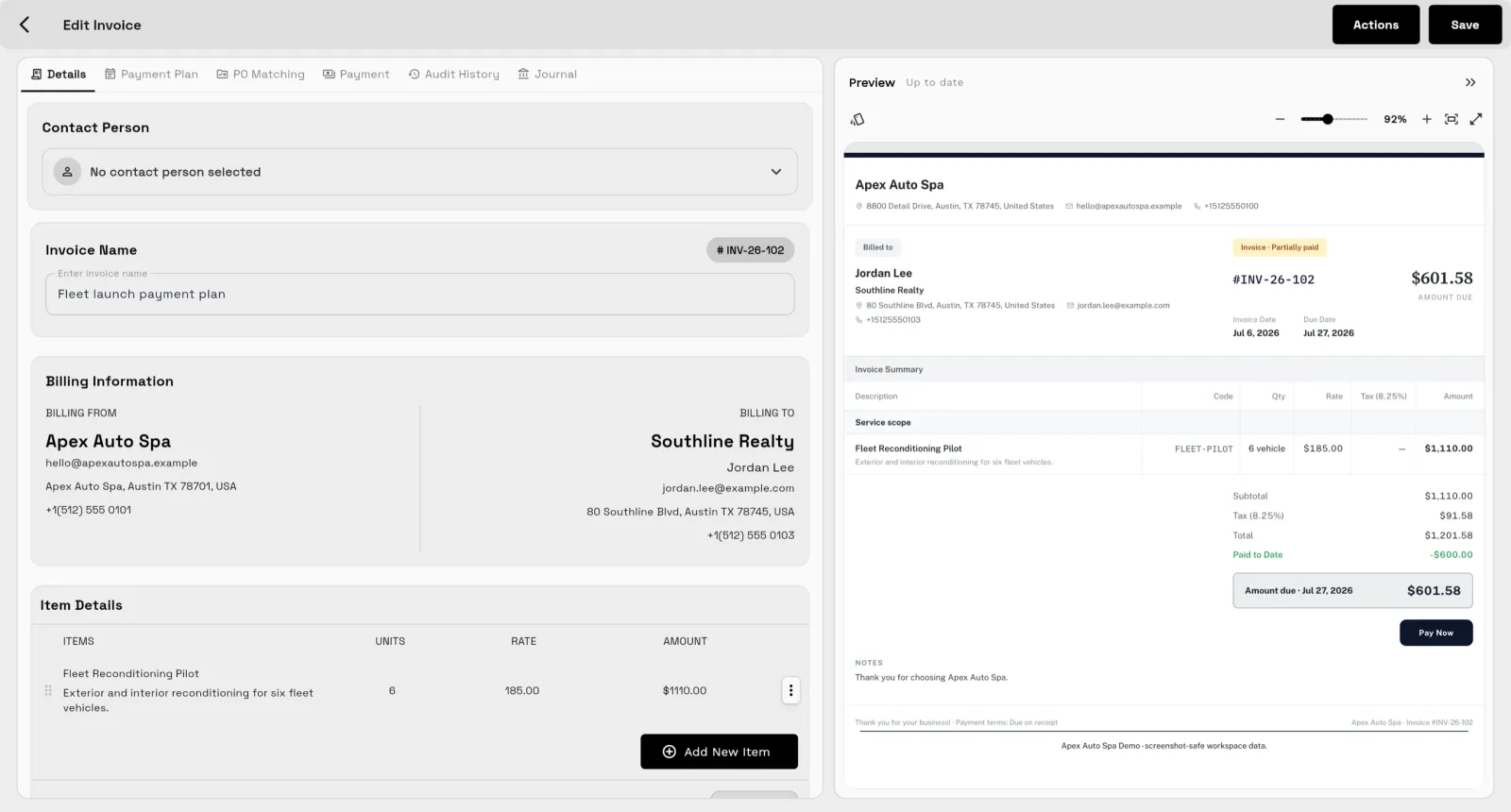
Send quotes, bill milestones or retainers, and let automated reminders chase anything outstanding.

Workspace369 invoice editor showing line items, payment terms, and client details

Workflow

Step-by-Step Setup for Hour Tracking

01

Establish Client Records and Hour Limits

Begin by creating comprehensive client records for each organization. Record the exact monthly hours agreement details directly in the project brief text. Avoid adding any sensitive passwords or access keys here, ensuring they remain in your external password manager. This foundational step helps anyone reviewing the account understand the strict operational boundaries and the authorized stakeholders before any individual tasks are assigned or executed.

02

Issue Proposals and Define Stakeholder Roles

Generate detailed Proposals outlining the scope of work, monthly hour caps, and the specific names of authorized stakeholders. Send these documents directly to the primary client contact for review. Once the client approves and e-signs the scope, create an active project based on the proposal. This step anchors the delivery parameters and establishes the formal guidelines for resolving any future priority conflicts between different managers.

03

Configure Projects and Task Lists

Create specific projects for the current billing cycle and populate them with individual tasks. Group tasks by the initiating stakeholder to maintain clear visibility over who is requesting the work. Have your team log time against each task with timers and timesheets, and check the running total against the monthly hours agreement. This helps prevent auxiliary tasks from being started if the monthly hours agreement is nearing its limit.

04

Consolidate Conversations and Scheduling

Stakeholder emails land in the conversations area for that client, matched to the client record. When conflicting priorities emerge, use the scheduling tool to set a brief alignment meeting with the primary stakeholder. Document the outcomes of these discussions within the conversation log. This creates a clear paper trail that explains exactly why certain tasks were prioritized over others during that billing period.

05

Deploy Client Portal and Issue Invoices

Activate the client portal to allow the primary stakeholder to review completed tasks and active files. This transparency helps verify work distribution before billing. At the conclusion of the monthly cycle, turn the logged billable time into a detailed invoice with time-to-invoice. This complete process helps verify that completed activities match the original proposals and stay within the established hours agreement.

Product coverage

Client operations for virtual assistants

  • The system must demonstrate that a human operator can successfully log into the client portal to verify that task records match the specific stakeholder who initiated the request.
  • The operator must successfully verify that all client credentials remain completely absent from the CRM notes, residing instead within an independent external password manager application.
  • The client records must show a clear correlation between the finalized monthly invoices and the hour limitations documented within the initial project brief text.
Client records
Proposals
Projects and tasks
Files
Conversations
Scheduling
Invoices
Client portal
Workflow Automations

Loved on the App Store

Rated by the people running their client work on it.

★★★★★
Finally feels calm

Bounced between three or four all-in-one tools and always ended up in a mess of tabs. This is the first one that feels calm. Set up my client projects in ten minutes.

Justin R. · Solo founder · App Store review
★★★★★
Painless team rollout

Rolled it out to our eight-person team and adoption was painless — intuitive and polished. I'd love more integrations, but they keep shipping.

Samantha D. · Operations lead · App Store review
★★★★★
Hours back every week

Was juggling separate tools for notes, tasks, docs, and updates. Consolidating into one place has genuinely saved me hours each week. Support is responsive too.

Alicia N. · Agency founder · App Store review

Get started

See Workspace369 on your own client work.

Start a free trial or talk to sales — either way, you will see the whole loop: inbox, projects, portal, and billing.

FAQ

Evaluation and Acceptance Criteria for Virtual Assistants

How do I handle two managers sending conflicting tasks?

Log both assignments as separate tasks under the client records. Use the conversations feature to message the primary stakeholder immediately, pointing out the hours agreement limit. Request that they clarify the priority sequence before any work begins on those specific tasks, keeping all operational decisions documented within the platform.

Where should I store client system passwords safely?

Keep all client login credentials inside a dedicated external password manager. Do not paste passwords into project files, task descriptions, or client records within the CRM. Workspace369 runs the work itself, from tasks and logged time to invoices, while access data stays isolated in the password manager.

Can I manage multiple client agreements simultaneously?

Yes, you can establish individual client records for each business you support. Every record can hold its own proposals, active projects, and independent invoicing terms. This separation allows you to track different monthly hours agreements clearly without mixing stakeholder communications or task lists across your client base.

How does the client portal help resolve billing disputes?

The client portal provides the primary stakeholder with direct access to view completed tasks and shared files. When they can cross-reference the work performed against their monthly hours agreement, it helps reduce confusion regarding which stakeholder requested specific items, resulting in faster approval of your monthly invoices.

Ready when you are

See where Workspace369 fits into your client-work flow.

Start with the modules you need today, then turn on AI, automations, accounting, inventory, requests, and reporting as the operation grows.