CRM for content marketing agencies

CRM for Content Marketing Agencies with Editorial Workflow Management

Content marketing agencies require a structured environment to manage client records, editorial proposals, and multi-stage project tasks. Workspace369 handles proposals, scheduling for interviews, file sharing for drafts, and invoicing for completed deliverables. By running client operations alongside the creative authoring tools, agencies can maintain clear records of client conversations and project timelines without cluttering the creative process.

Clientthe relationship and agreed brief
Worktasks with a responsible person
Billinginvoices and commercial context
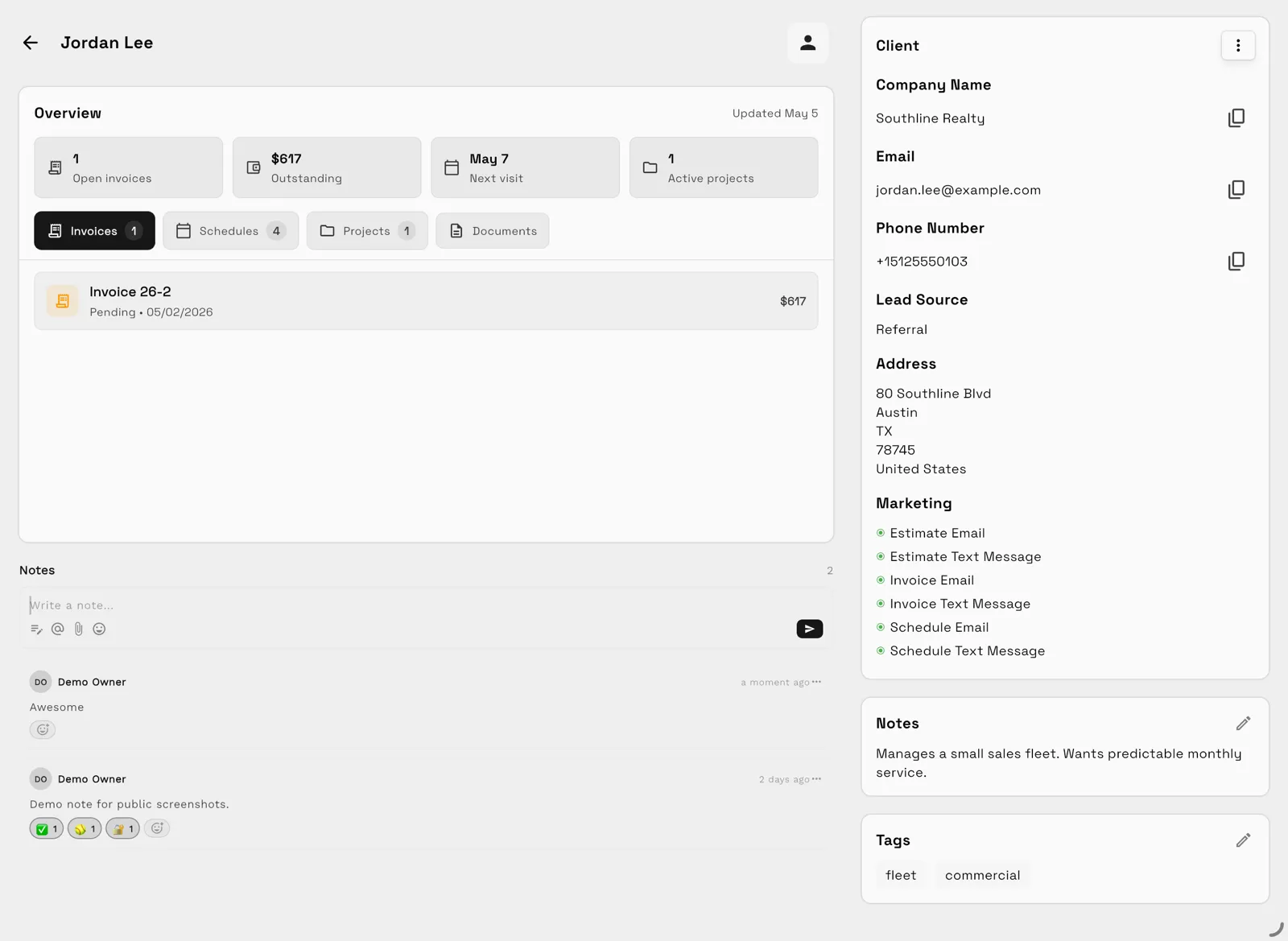
Workspace369 client record showing history, files, communication, and invoices in one profile

Key facts

CRM for content marketing agencies at Workspace369 covers 9 areas, including client records, proposals, projects and tasks.

The workflow runs in 5 steps, from "proposal and plan approval" to "final invoicing and project closure".

Workspace369 starts at $29/mo for 1 seat, and the Commander plan includes 20 seats, 500 GB of storage, and 120,000 AI tokens per month at $299/mo.

Additional seats cost $10 each and 100 GB of additional storage costs $15; full pricing is public on the Workspace369 pricing page.

The problem

Common Challenges in Content Operations

Tracking Revision Requests

When clients request additional interviews or revisions after a monthly plan is approved, agencies often lose track of the original scope. Recording these requests in the brief helps the team check that each task adjustment is documented. Without this, billing for extra work can become difficult and project timelines may slip. Workspace369 provides a project view to track these changes against the original proposal.
Fragmented Client History

Details from initial proposals often get lost during the project phase when managed across multiple apps. Storing files and conversations in one place prevents data silos that lead to editorial errors. Account managers need to see the recorded history of client records to ensure that the content produced aligns with the long-term strategy agreed upon during the scheduling of the initial kickoff.

Scheduling Bottlenecks

Coordinating interviews between subject matter experts and writers is difficult without scheduling tools. Missing a single call can delay the entire editorial calendar for a month. Managing these appointments within the project record keeps the team informed of progress. This prevents the administrative friction that occurs when writers are waiting for source material that hasn't been scheduled yet.

Delayed Invoicing Cycles

Invoicing for specific content pieces requires accurate records of task completion and file delivery. Manual billing processes often lead to errors, especially when handling revisions or extra interviews. By linking invoices directly to the project and task status, agencies can track the full scope of work performed for billing purposes. This can reduce the time spent reconciling spreadsheets at the end of every month.

The product

See the workspace your clients feel.

01

A portal clients actually check

Clients watch progress, files, and invoices in a branded portal instead of asking your team for updates.

Workspace369 client record showing history, files, communication, and invoices in one profile
02

Every channel in one inbox

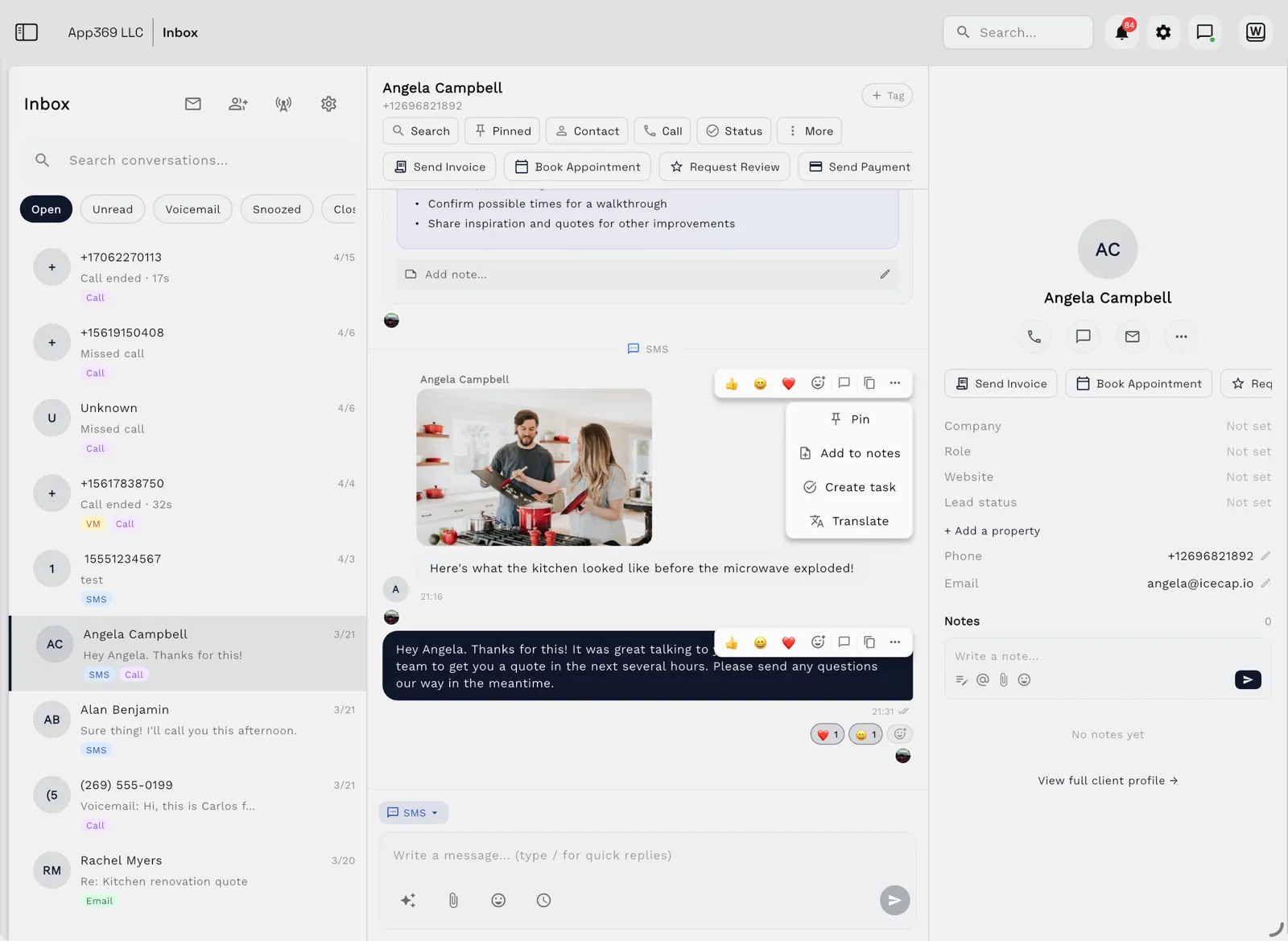
Email, SMS, calls, and voicemail land beside the client record — with AI summaries, so anyone on the team can reply with full context.

Workspace369 shared inbox showing email, SMS, and call history beside a client record
03

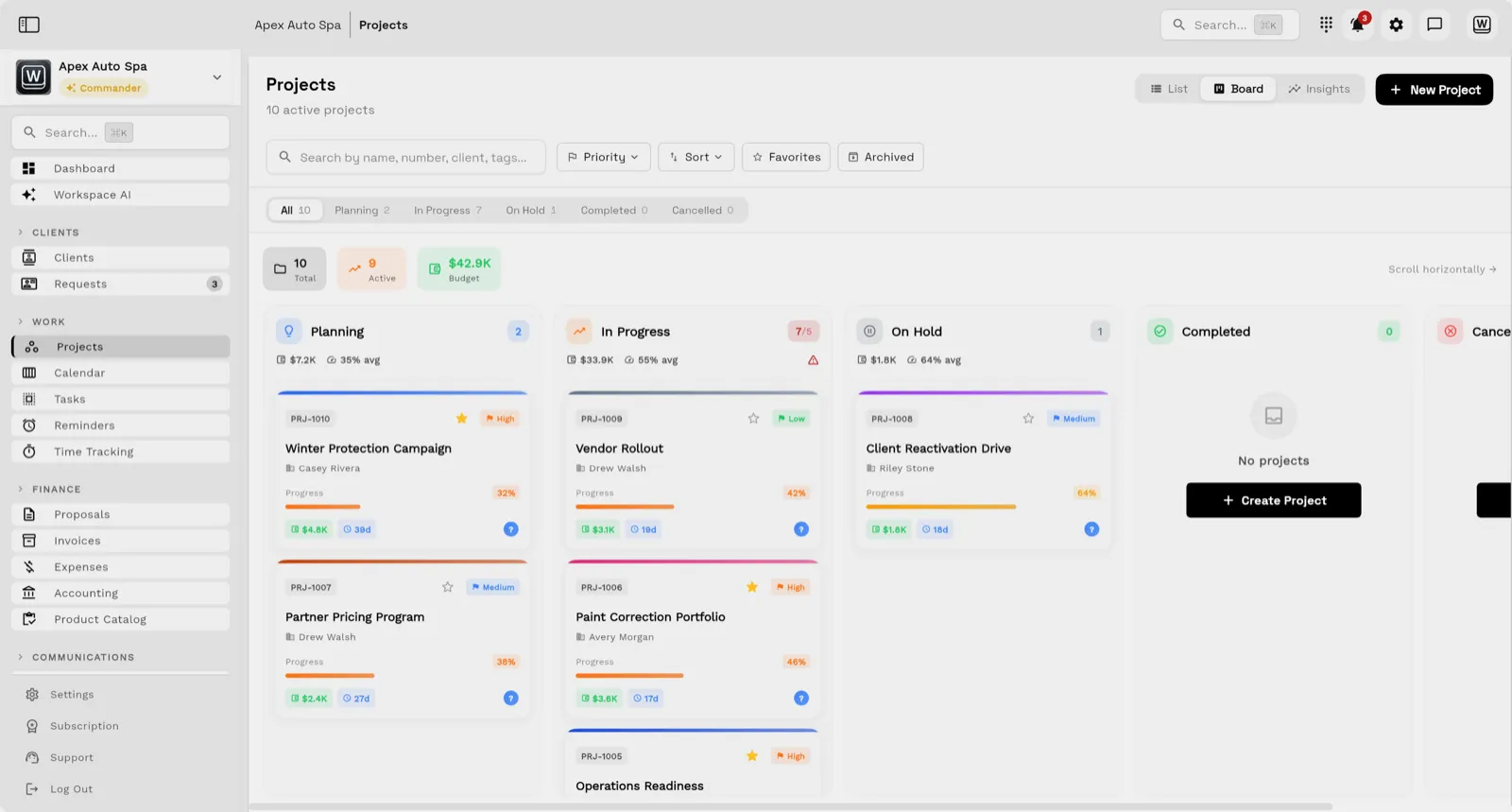
Client work, organized as projects

Tasks, files, and status for every engagement — visible to the team and, through the client portal, to the client.

Workspace369 project board showing client work organized into stages with owners and status
04

Proposals to paid invoices

Send quotes, bill milestones or retainers, and let automated reminders chase anything outstanding.

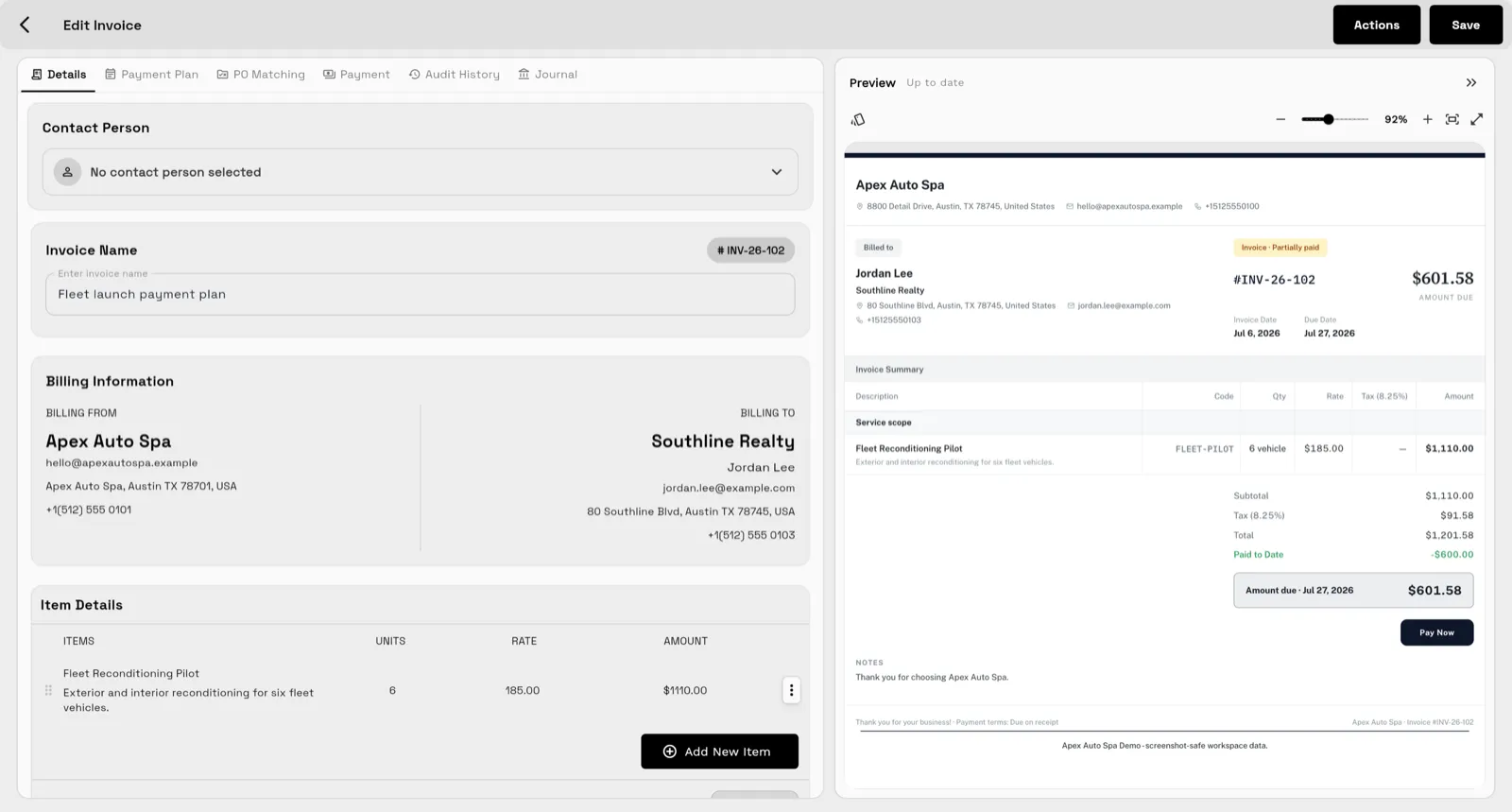
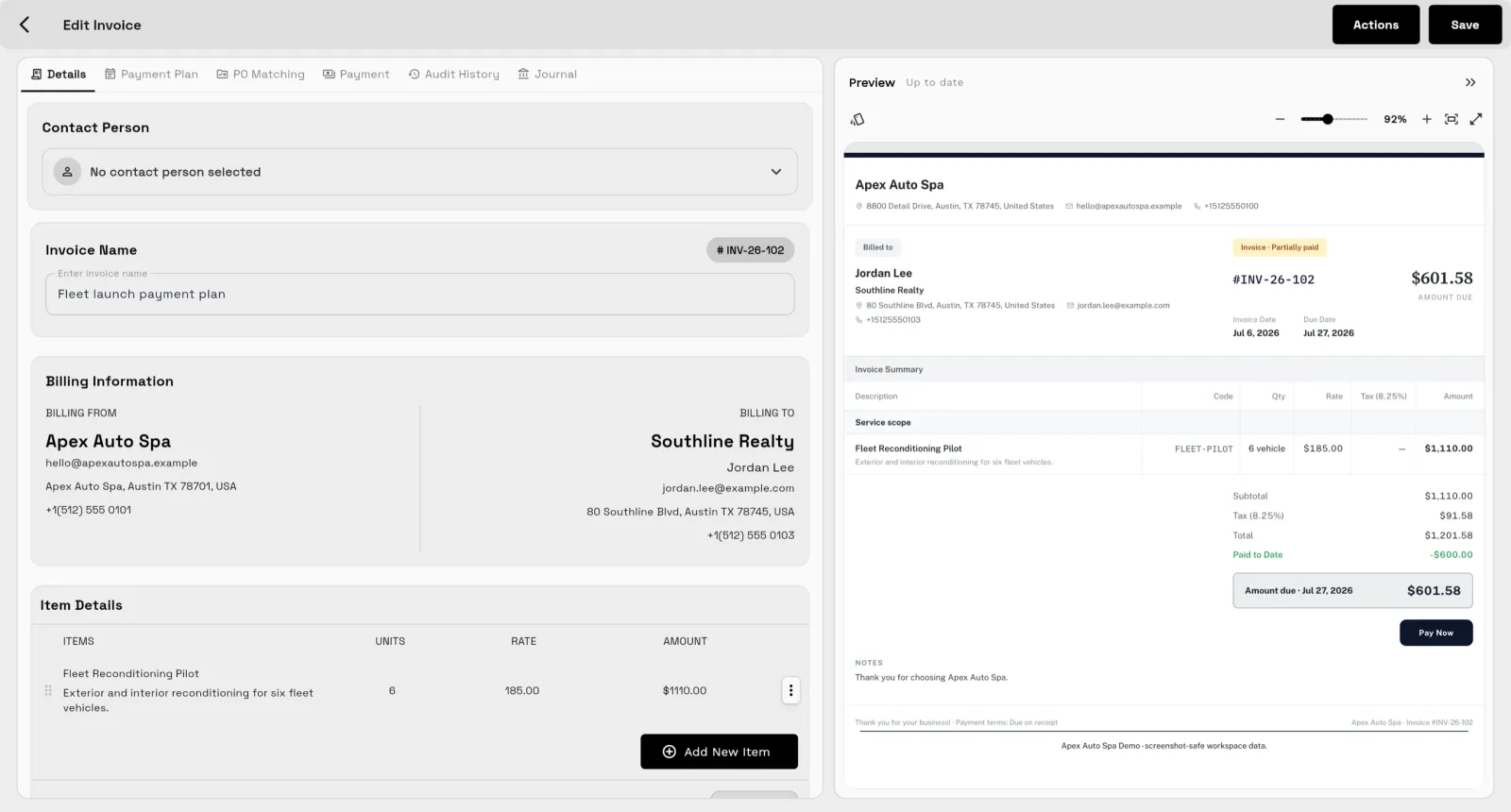
Workspace369 invoice editor showing line items, payment terms, and client details

Workflow

Managing the Editorial Lifecycle

01

Proposal and Plan Approval

Create a detailed proposal for the monthly editorial plan, outlining the number of articles, interviews, and revision rounds. Once the client approves the proposal via the portal, the record serves as the baseline for the project scope. This ensures that both the agency and the client have a mutual understanding of the deliverables before any creative work or scheduling of interviews begins.

02

Project and Task Initialization

Convert the approved editorial plan into a project structure. Assign specific tasks for research, subject matter expert interviews, and drafting. Use the task descriptions to record in the brief any specific requirements for each content piece. This keeps project details organized in Workspace369, while content authoring and publishing stay in the editorial tools the writing team already uses.

03

Interview and Meeting Scheduling

Use the scheduling tool to book time with client experts for content research. Link these meetings to the specific article tasks within the project. This allows the project manager to see if interviews are completed on time. If a client requests another interview later, the project manager can log the new appointment against the project record to maintain a history of the effort required for that deliverable.

04

File Sharing and Revision Rounds

Upload draft files to the client portal for review. Use the conversation feature to collect feedback and track revision requests. When a client asks for a second revision after the plan is approved, the project manager must record this request in the brief. This step ensures that the extra work is visible and can be evaluated against the original project terms and task list.

05

Final Invoicing and Project Closure

Once the final files are accepted in the portal, generate an invoice based on the completed project tasks. The invoice should reflect the original proposal amounts plus any documented additions for extra interviews or revisions. After payment is recorded, the project is closed, and the project manager updates the client record with the final deliverables, providing a recorded history for the next monthly editorial cycle.

Product coverage

Client operations for content marketing agencies

  • A human operator must verify that a new task for an 'Extra Interview' can be manually created and linked to the existing editorial project record after the initial plan is approved.
  • The client portal must successfully display the conversation history where the second revision was requested, ensuring the agency has a record of the change in project scope.
  • The final invoice generated must be checked by a human to ensure it accurately reflects the specific line items and task completions defined in the project record.
Client records
Proposals
Projects and tasks
Files
Conversations
Scheduling
Invoices
Client portal
Workflow Automations

Loved on the App Store

Rated by the people running their client work on it.

★★★★★
Finally feels calm

Bounced between three or four all-in-one tools and always ended up in a mess of tabs. This is the first one that feels calm. Set up my client projects in ten minutes.

Justin R. · Solo founder · App Store review
★★★★★
Painless team rollout

Rolled it out to our eight-person team and adoption was painless — intuitive and polished. I'd love more integrations, but they keep shipping.

Samantha D. · Operations lead · App Store review
★★★★★
Hours back every week

Was juggling separate tools for notes, tasks, docs, and updates. Consolidating into one place has genuinely saved me hours each week. Support is responsive too.

Alicia N. · Agency founder · App Store review

Get started

See Workspace369 on your own client work.

Start a free trial or talk to sales — either way, you will see the whole loop: inbox, projects, portal, and billing.

FAQ

Evaluating the Editorial Workflow

How do we handle the actual writing of articles?

Content authoring and publishing stay in your editorial tools. Workspace369 runs everything around the writing: project tasks, client records, briefs, client conversations, approvals and invoices.

Can we manage our sales pipeline here?

Yes. Funnels capture leads into the CRM with their lead source, and proposals carry each deal to approval and e-signature. For a dedicated deal pipeline, agencies also compare Pipedrive, which handles the early stages of lead tracking.

What about tracking writer hours and profit margins?

Workspace369 tracks writer hours with timers and timesheets from Voyager, turns billable time into invoices, and reports project profitability from Specialist. For advanced resource planning, agencies also compare Productive.

Is it possible to share large video files with clients?

Yes, use file share links and the client portal to deliver drafts, with client and project file attachments from Specialist. This ensures that all assets are stored within the specific client record rather than being lost in email threads.

Ready when you are

See where Workspace369 fits into your client-work flow.

Start with the modules you need today, then turn on AI, automations, accounting, inventory, requests, and reporting as the operation grows.