CRM for management consultants

CRM for management consultants with a specific workflow

Management consulting projects frequently change scope mid-stream. When an initial management assessment expands from one business unit to three after kickoff, administrative work multiplies. Workspace369 provides a structured environment to track client records, proposals, projects, tasks, files, conversations, scheduling, invoices, and client portals without losing track of the original engagement terms or the newly expanded scope.

Clientthe relationship and agreed brief
Worktasks with a responsible person
Billinginvoices and commercial context
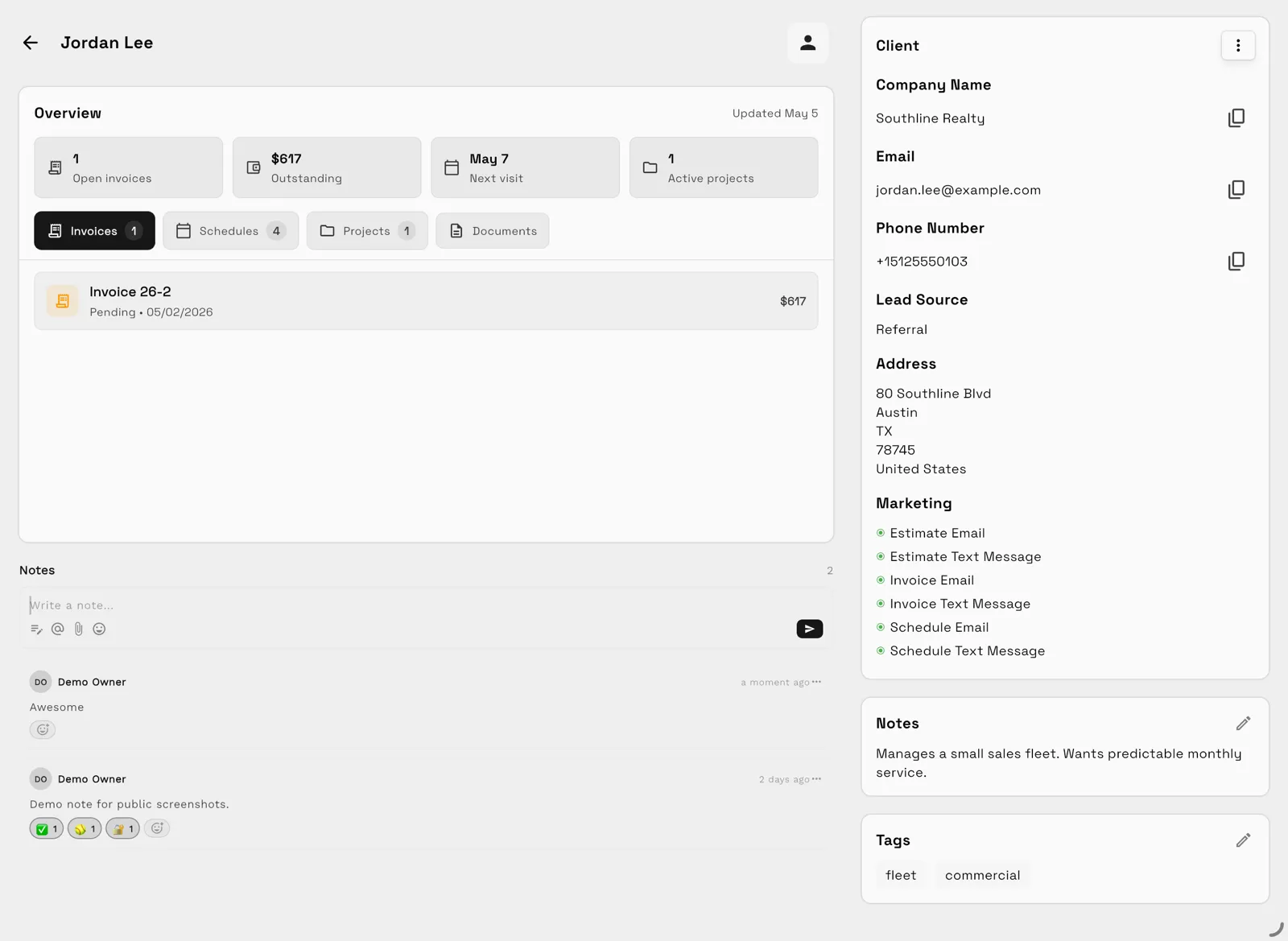
Workspace369 client record showing history, files, communication, and invoices in one profile

Key facts

CRM for management consultants at Workspace369 covers 9 areas, including client records, proposals, projects and tasks.

The workflow runs in 5 steps, from "client record initiation" to "consolidated invoicing and portal review".

Workspace369 starts at $29/mo for 1 seat, and the Commander plan includes 20 seats, 500 GB of storage, and 120,000 AI tokens per month at $299/mo.

Additional seats cost $10 each and 100 GB of additional storage costs $15; full pricing is public on the Workspace369 pricing page.

The problem

Operational friction in expanding consulting engagements

Scope expansion tracking

When a management assessment expands from one business unit to three after kickoff, tracking the new deliverables becomes chaotic. Consulting teams often separate new tasks into disjointed documents. Without a structured platform, updating client records and linking new operational files to the original engagement causes massive confusion, leaving consultants unsure which business unit owns which operational task or project file during active delivery.
Fragmented client communication

Consultants often handle scope updates across disparate email threads. When managing three business units instead of one, conversations regarding assessment findings get lost. If conversations, scheduling updates, and revised proposals are not tied directly to the core client records, team members duplicate interviews and miss critical scheduling deadlines, damaging the consulting firm's professional reputation during complex organizational reviews.

Invoicing and proposal misalignment

Expanding an assessment to three business units requires immediate adjustments to pricing and delivery terms. If new proposals and subsequent invoices are managed in isolated spreadsheets, the firm risks under-billing for the extra business units. Manually matching updated invoices with expanded project tasks creates administrative delays, delaying payments and creating friction with the client's procurement department.

Portal access and file chaos

Sharing assessment files across multiple corporate divisions requires clear organization. If business unit leaders cannot access their specific project files or scheduling links, engagement drops. Without an organized client portal to distribute files and view active tasks, consultants spend valuable hours manually emailing reports, leading to administrative confusion and delays in project milestones.

The product

See the workspace your clients feel.

01

A portal clients actually check

Clients watch progress, files, and invoices in a branded portal instead of asking your team for updates.

Workspace369 client record showing history, files, communication, and invoices in one profile
02

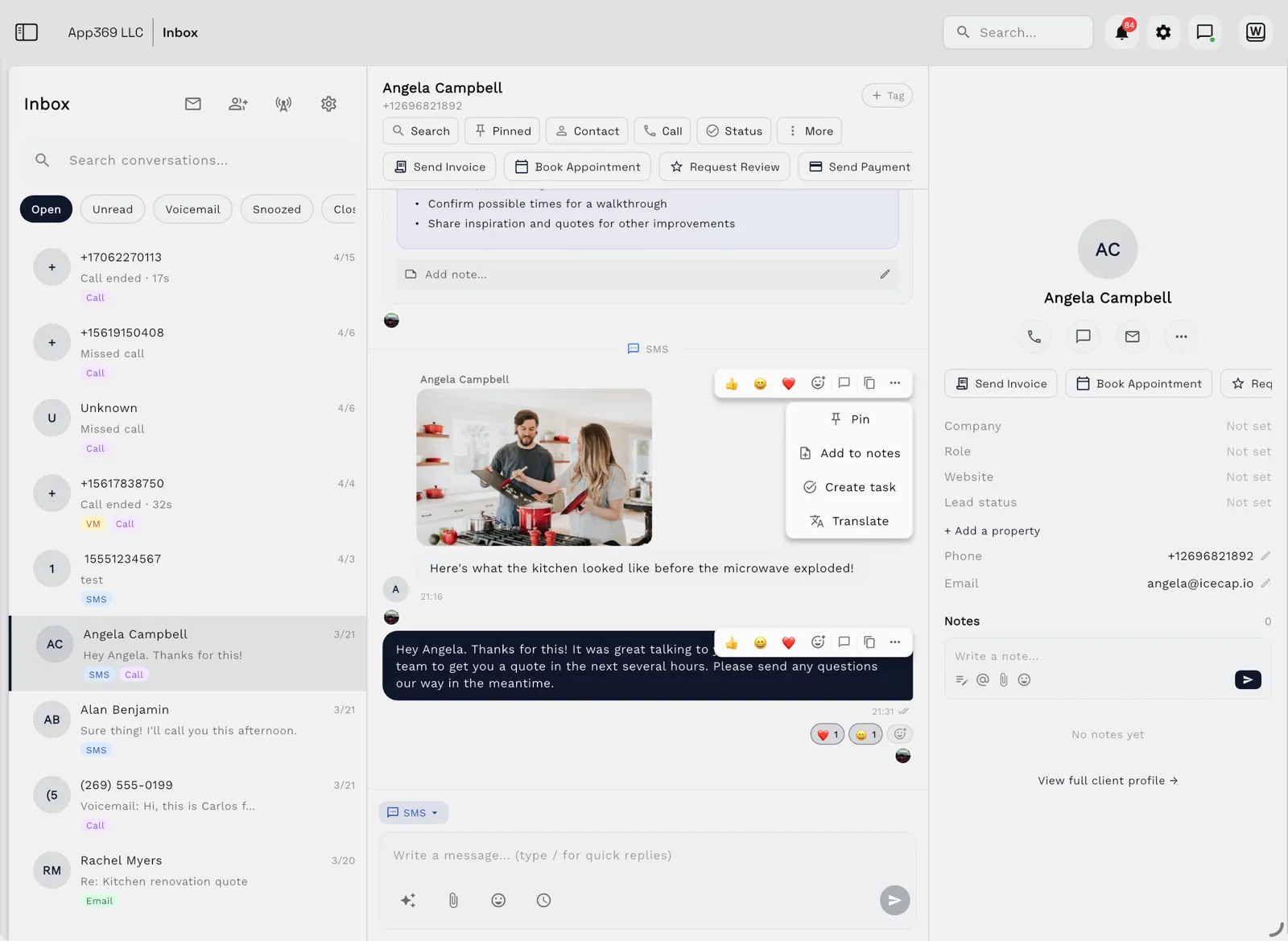
Every channel in one inbox

Email, SMS, calls, and voicemail land beside the client record — with AI summaries, so anyone on the team can reply with full context.

Workspace369 shared inbox showing email, SMS, and call history beside a client record
03

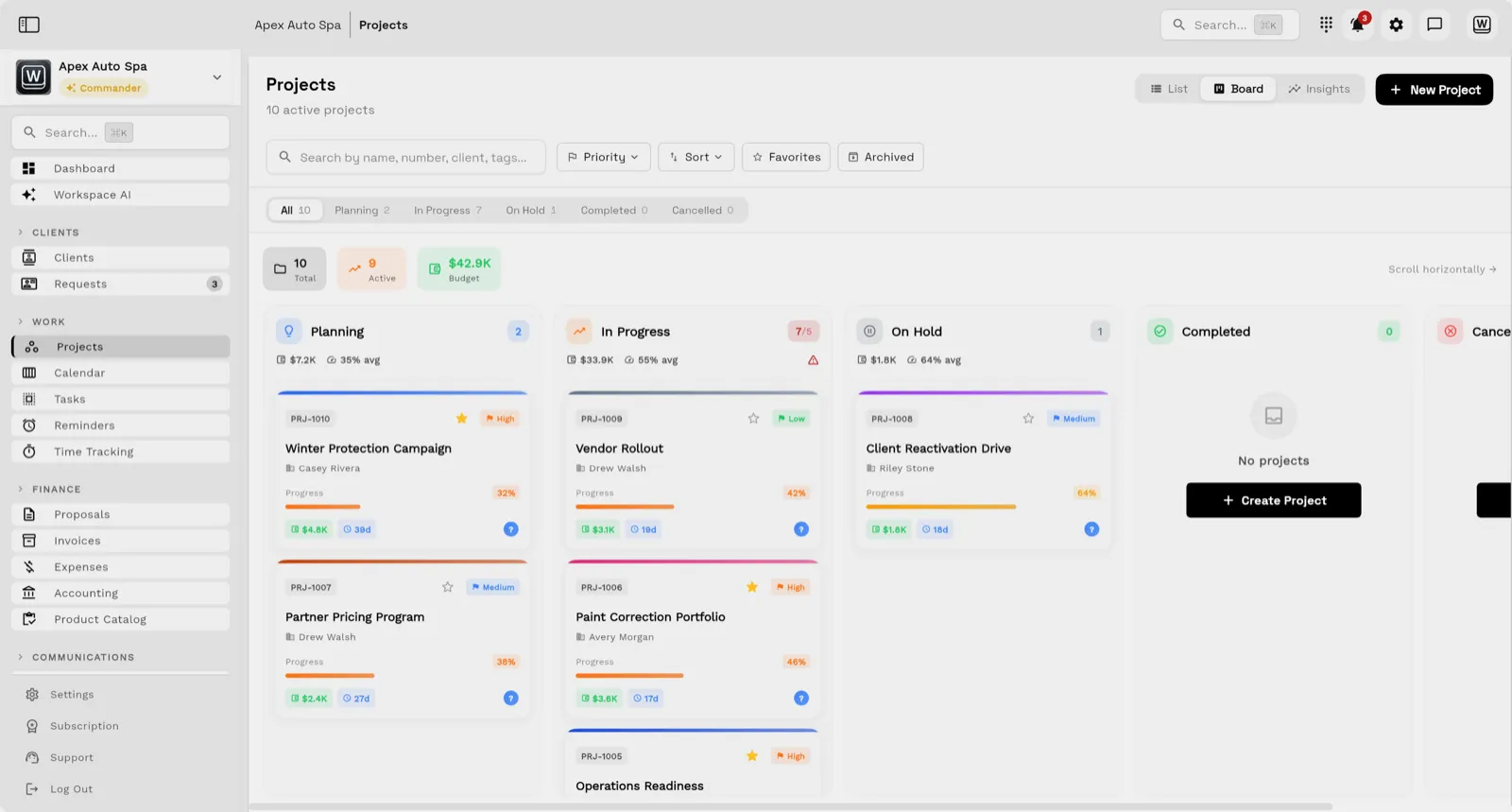
Client work, organized as projects

Tasks, files, and status for every engagement — visible to the team and, through the client portal, to the client.

Workspace369 project board showing client work organized into stages with owners and status
04

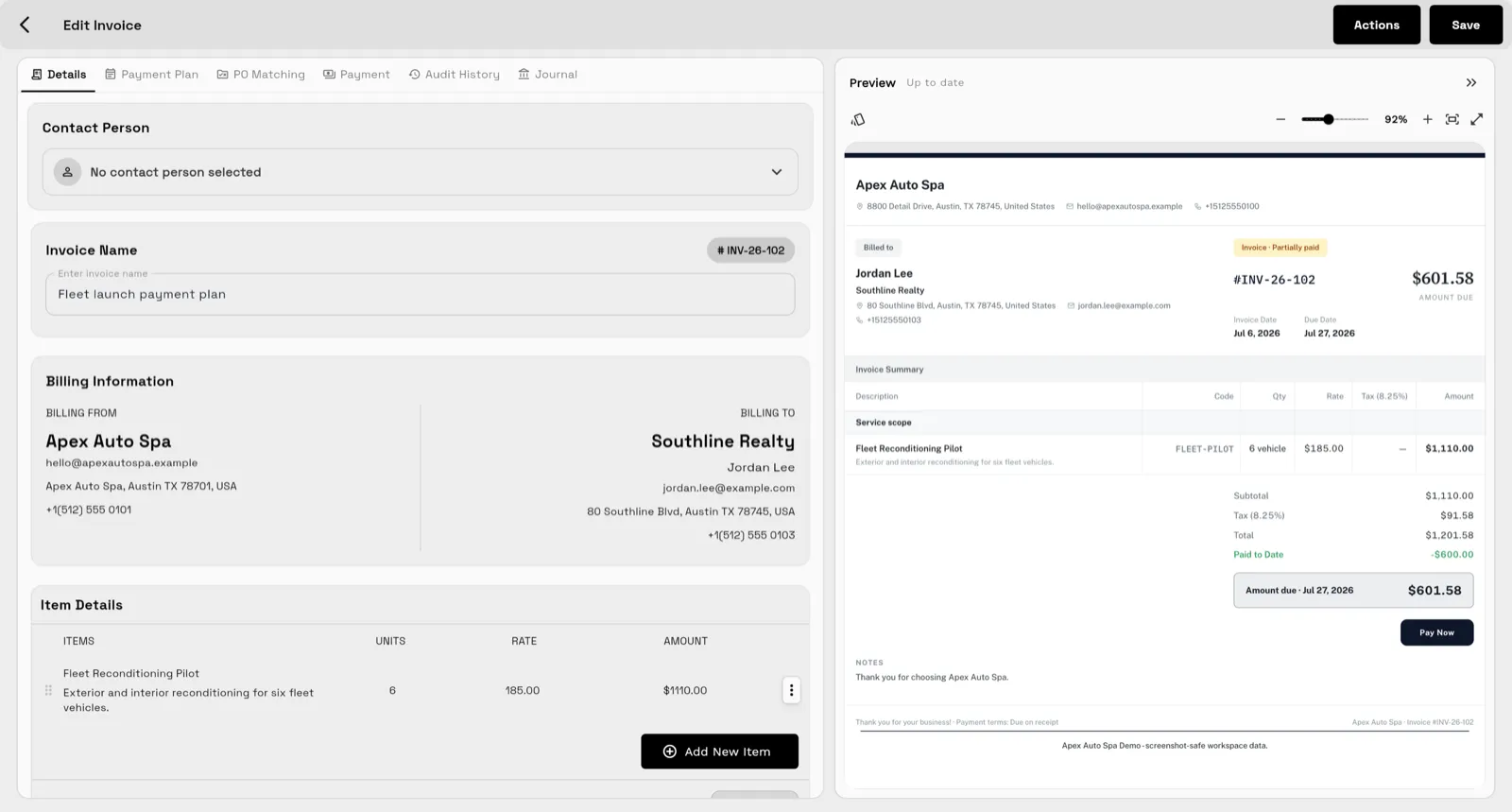
Proposals to paid invoices

Send quotes, bill milestones or retainers, and let automated reminders chase anything outstanding.

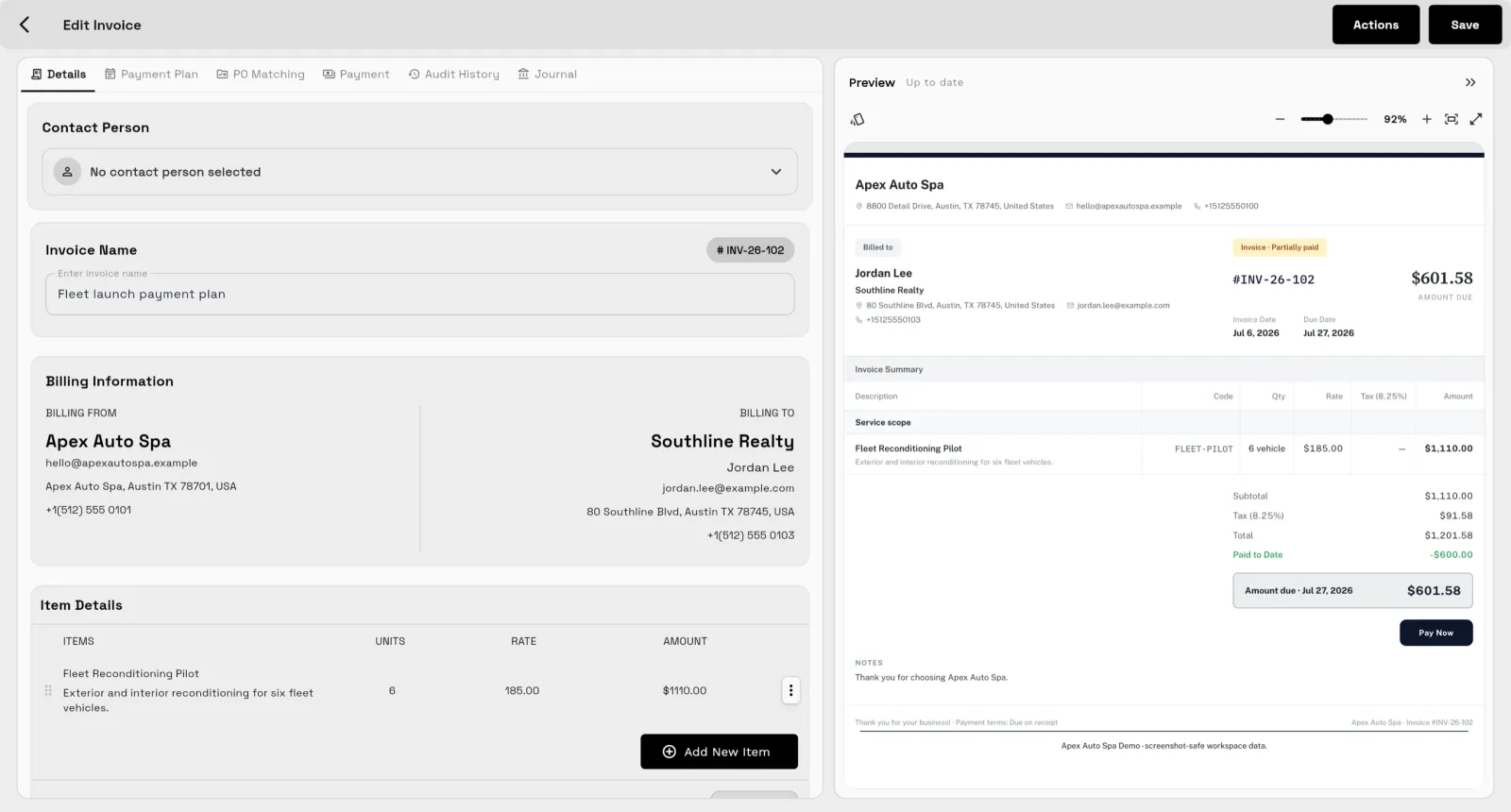
Workspace369 invoice editor showing line items, payment terms, and client details

Workflow

The expanded assessment workflow

01

Client record initiation

The workflow begins by creating comprehensive client records for the primary corporate entity. Consultants record in the brief the initial scope of the management assessment, noting the single business unit targeted for review. All initial conversations, introductory scheduling links, and preliminary background files are attached directly to this record to establish a clear baseline before any consulting interviews or on-site assessments begin.

02

Proposal and project setup

Consultants generate and issue formal Proposals outlining the assessment methodology, timelines, and fees for the single unit. Once the client approves and e-signs it, the team sets up an active project on these terms. The operator sets up specific tasks for the discovery phase, establishes scheduling links for stakeholder interviews, and configures a dedicated client portal where the client can share files, projects, invoices, communication, and approvals.

03

Scope expansion adjustment

When the assessment expands from one business unit to three after kickoff, a human operator modifies the project structure. The consultant records in the brief the addition of the two new business units. They generate an updated proposal for the additional scope, add new tasks for the expanded interviews, and organize the files section to separate data by business unit.

04

Collaborative task execution

Consultants execute the expanded tasks, utilizing integrated conversations to coordinate with leaders across all three business units. Scheduling tools manage the increased volume of stakeholder interviews without calendar conflicts. All assessment files are categorized within the project, ensuring team members can review findings for each business unit while maintaining clear visibility of the overall project timeline.

05

Consolidated invoicing and portal review

The final step involves issuing detailed invoices that reflect the expanded three-unit scope based on the revised proposals. Consultants upload final assessment reports to the client portal, allowing authorized client stakeholders to review completed tasks and files. This keeps every record, from initial conversations to final invoices, linked to the main client records.

Product coverage

Client operations for management consultants

  • A human tester can successfully add two new business units to the client records and verify that all updated project tasks remain linked to the original proposal document.
  • The client portal permits a designated stakeholder from an expanded business unit to log in, view scheduling links, and download specific assessment files without seeing unrelated data.
  • An invoice can be generated that combines the line items from both the original proposal and the supplementary proposal for the two additional business units accurately.
Client records
Proposals
Projects and tasks
Files
Conversations
Scheduling
Invoices
Client portal
Workflow Automations

Loved on the App Store

Rated by the people running their client work on it.

★★★★★
Finally feels calm

Bounced between three or four all-in-one tools and always ended up in a mess of tabs. This is the first one that feels calm. Set up my client projects in ten minutes.

Justin R. · Solo founder · App Store review
★★★★★
Painless team rollout

Rolled it out to our eight-person team and adoption was painless — intuitive and polished. I'd love more integrations, but they keep shipping.

Samantha D. · Operations lead · App Store review
★★★★★
Hours back every week

Was juggling separate tools for notes, tasks, docs, and updates. Consolidating into one place has genuinely saved me hours each week. Support is responsive too.

Alicia N. · Agency founder · App Store review

Get started

See Workspace369 on your own client work.

Start a free trial or talk to sales — either way, you will see the whole loop: inbox, projects, portal, and billing.

FAQ

Evaluation criteria for assessment expansion

How does the platform handle a sudden change in project scope?

When an assessment expands from one business unit to three after kickoff, a human operator updates the project by adding new tasks and files. You can issue a supplementary proposal to cover the additional business units, keeping every record linked directly to the main client records without fracturing the engagement history.

Can we manage stakeholder interviews for multiple business units?

Yes. You can use scheduling links to coordinate interviews across all three business units. These scheduled events are tracked within the project tasks, and any related conversations or files collected during the interviews can be stored directly under the corresponding client records for clear organization.

How are invoices adjusted when a consulting project expands?

You can generate new invoices based on updated proposals that reflect the expanded scope of the three business units. You can track these invoices alongside the project tasks, helping to ensure that billing aligns with the consulting work recorded by the team.

Can client stakeholders access files for their specific business unit?

Yes. By utilizing the client portal, you can grant stakeholders access to view specific project tasks, files, and scheduling options. The team sets portal access so that representatives from each business unit see the files relevant to their assessment.

Ready when you are

See where Workspace369 fits into your client-work flow.

Start with the modules you need today, then turn on AI, automations, accounting, inventory, requests, and reporting as the operation grows.