CRM for recruiters & staffing agencies

CRM for recruiters and staffing agencies with a client management workflow

Recruitment agencies often struggle to separate employer account administration from applicant tracking. Workspace369 runs the employer side of your agency in one system: client records, fee proposals with e-signing, search projects, interview scheduling, client messages and placement invoices. Business development, contract fulfillment, and placement billing each have a clear home on the employer's record.

Clientthe relationship and agreed brief
Worktasks with a responsible person
Billinginvoices and commercial context
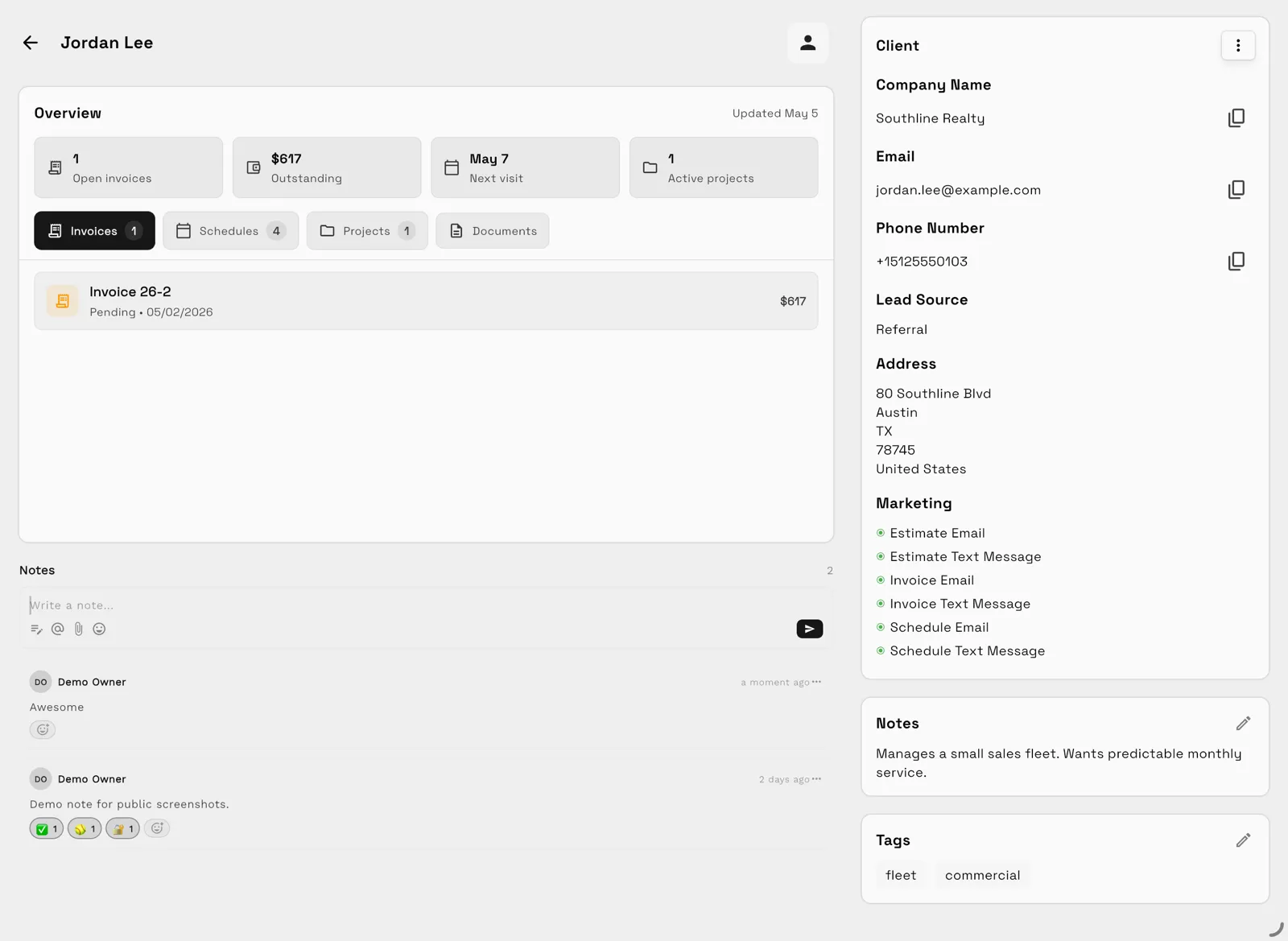
Workspace369 client record showing history, files, communication, and invoices in one profile

Key facts

CRM for recruiters & staffing agencies at Workspace369 covers 9 areas, including client records, proposals, projects and tasks.

The workflow runs in 5 steps, from "securing the search agreement" to "invoicing and search closure".

Workspace369 starts at $29/mo for 1 seat, and the Commander plan includes 20 seats, 500 GB of storage, and 120,000 AI tokens per month at $299/mo.

Additional seats cost $10 each and 100 GB of additional storage costs $15; full pricing is public on the Workspace369 pricing page.

The problem

Operational bottlenecks in recruitment client management

Mixing candidate records with client profiles

Staffing agencies often corrupt their business development data by storing corporate client contacts in the same database fields as job candidates. This makes it difficult to track corporate account status, search agreements, and client conversations. Using a dedicated system isolates client records from candidate profiles, ensuring that your corporate business development pipeline remains clean, measurable, and focused entirely on employer relationships rather than application statuses.
Untracked changes to role requirements

When a staffing client alters their hiring criteria mid-search, the updates are frequently buried in scattered email threads. Without an explicit record in the brief or project file, recruiters source against outdated profiles. This causes wasted hours and strained client relationships. Documenting updates directly within dedicated client projects and tasks helps the team check that each team member reviews the identical, current parameters before presenting candidates to the employer.

Disorganized search proposals and agreements

Sending fee agreements and contingency search proposals via detached documents leads to delays and lost records. Agencies lose track of approved fee percentages and payment terms. Storing Proposals directly alongside client records ensures that account managers can reference contract terms instantly. This prevents disputes during billing and keeps the initial commercial agreement tied directly to the active staffing project and subsequent client invoices.

Opaque client communication during active searches

Employers frequently demand updates on open requisitions, leading to constant back-and-forth emails. When conversations are fragmented across individual recruiter inboxes, agency leadership lacks visibility into account health. Utilizing a shared client portal and structured scheduling coordinates client interactions. This allows employers to view non-sensitive project milestones and upload feedback directly, preventing communication gaps and ensuring that search adjustments are documented immediately.

The product

See the workspace your clients feel.

01

A portal clients actually check

Clients watch progress, files, and invoices in a branded portal instead of asking your team for updates.

Workspace369 client record showing history, files, communication, and invoices in one profile
02

Every channel in one inbox

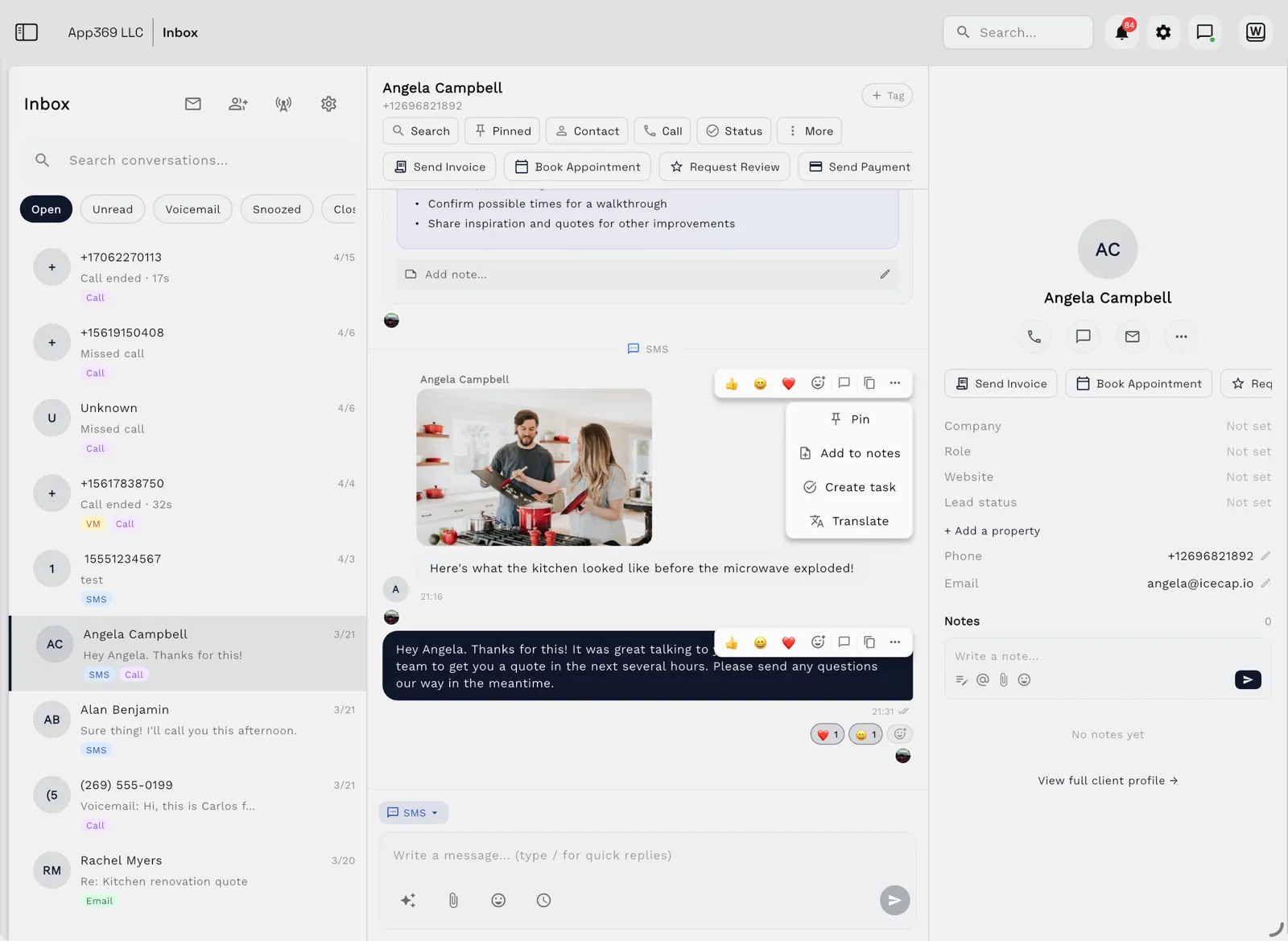
Email, SMS, calls, and voicemail land beside the client record — with AI summaries, so anyone on the team can reply with full context.

Workspace369 shared inbox showing email, SMS, and call history beside a client record
03

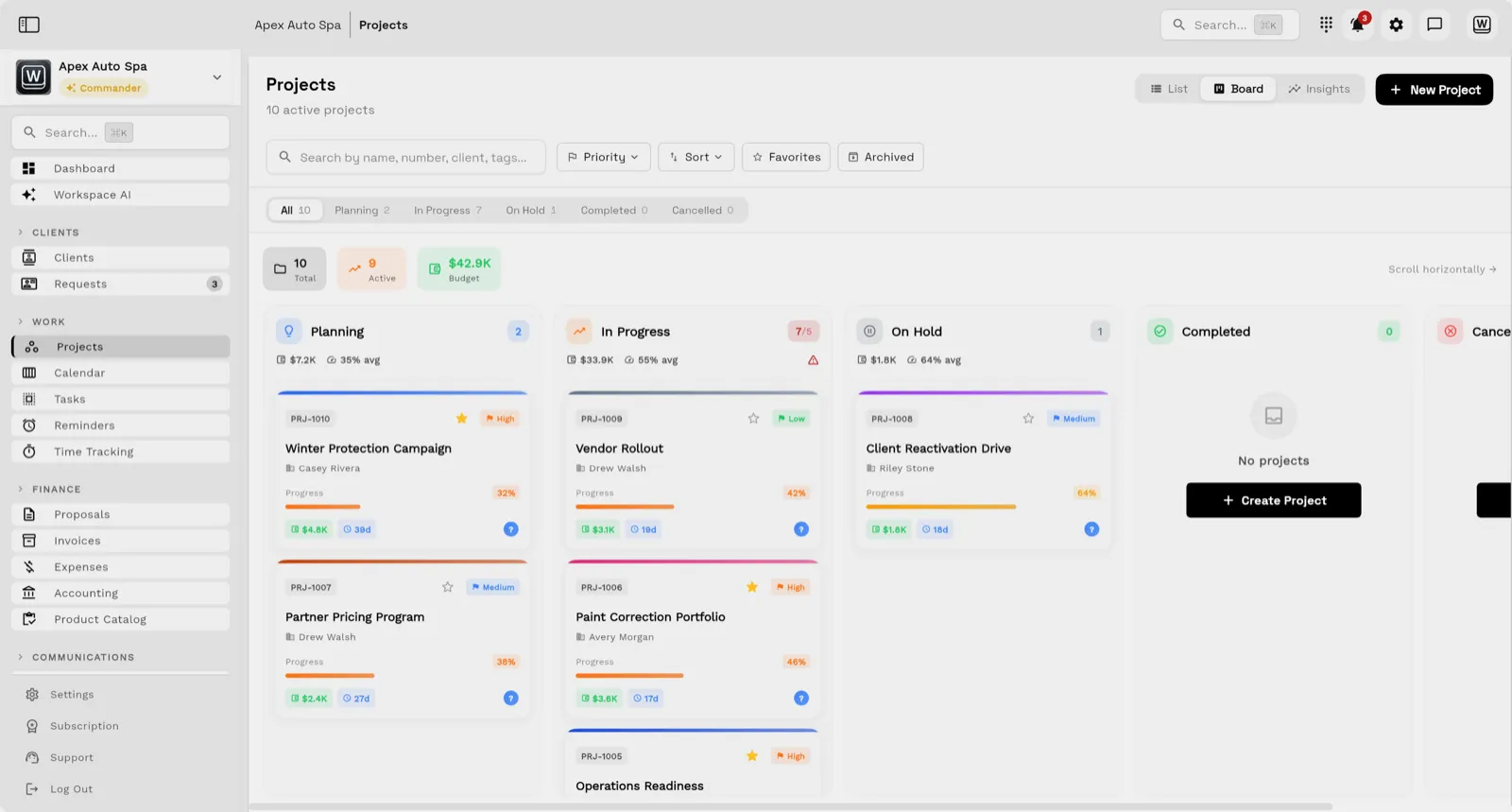
Client work, organized as projects

Tasks, files, and status for every engagement — visible to the team and, through the client portal, to the client.

Workspace369 project board showing client work organized into stages with owners and status
04

Proposals to paid invoices

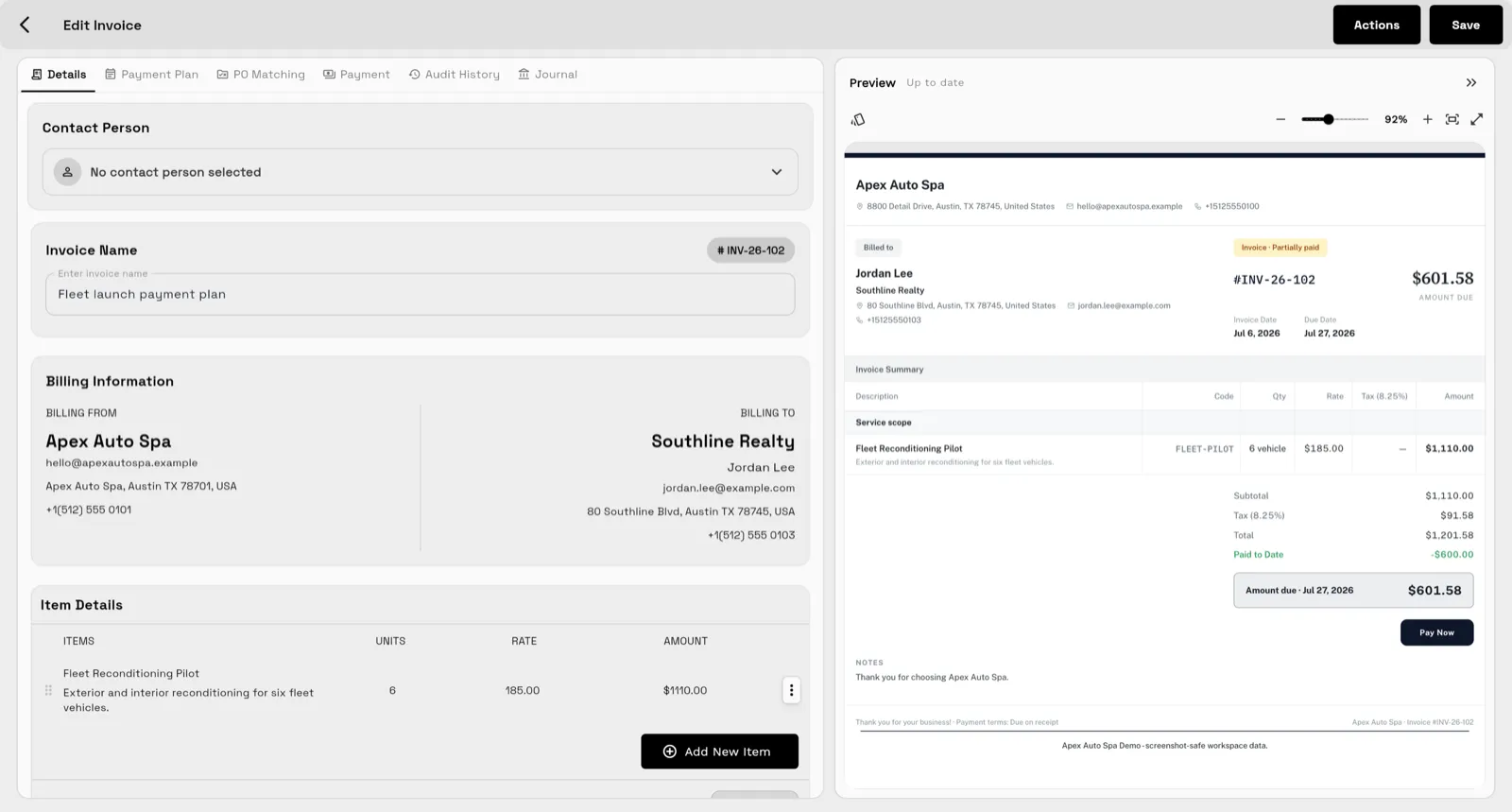
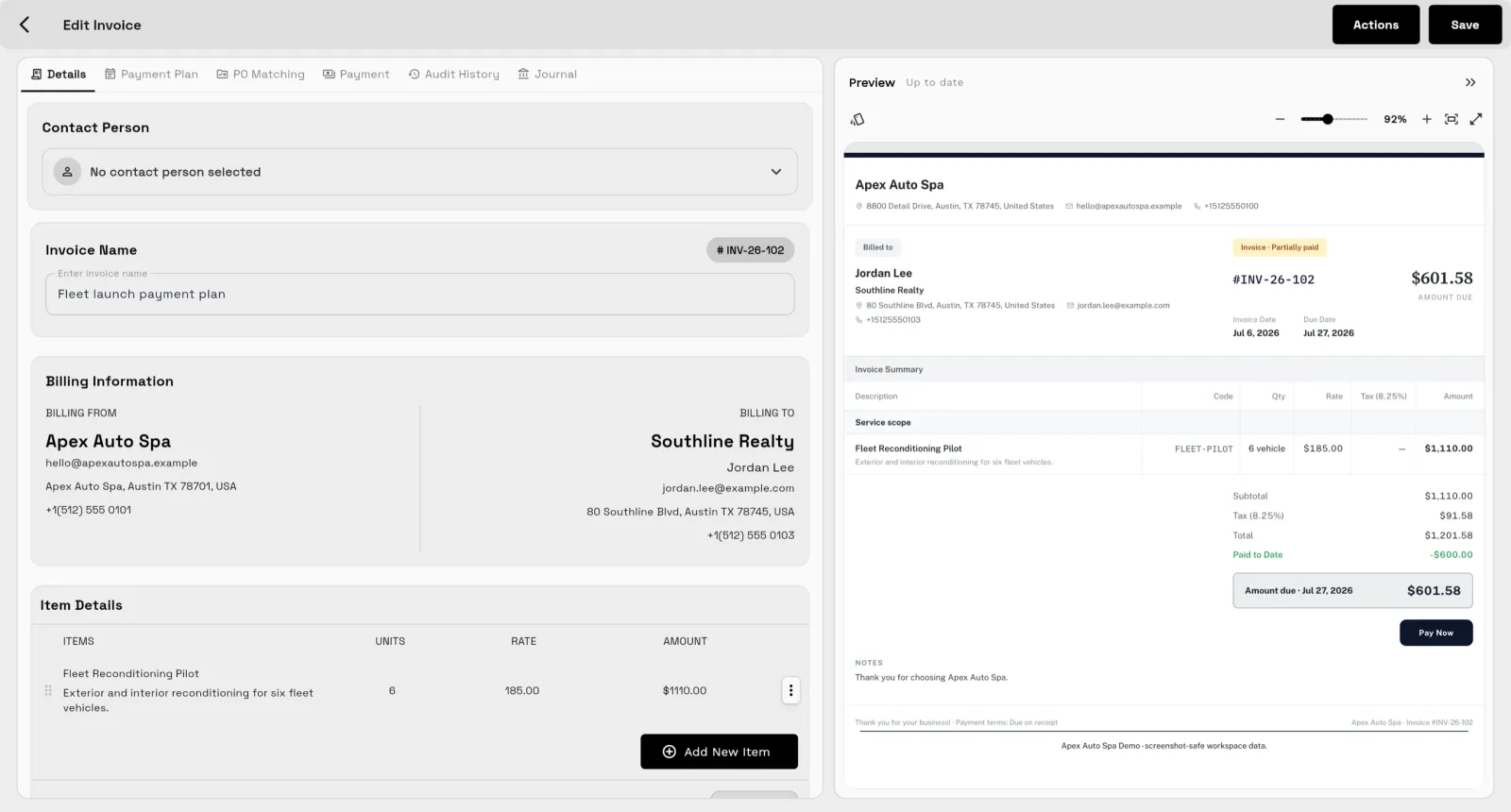
Send quotes, bill milestones or retainers, and let automated reminders chase anything outstanding.

Workspace369 invoice editor showing line items, payment terms, and client details

Workflow

The client management workflow for staffing agencies

01

Securing the search agreement

The workflow begins by generating and sending detailed Proposals to prospective staffing clients. Account managers log all initial conversations and schedule discovery calls directly within the client records. Once the employer approves and e-signs the fee structure and contingency terms, the signed proposal is preserved within their permanent file directory, establishing a clear commercial foundation before any candidate sourcing or recruitment activity begins.

02

Initiating the staffing project

Upon contract approval, a dedicated project is created for the specific hiring mandate. Recruiters record in the brief all essential role requirements, salary bands, and ideal candidate personas. Tasks are assigned to specific team members to govern the sourcing timeline. This isolates the operational parameters of the search from the candidate database, keeping client requirements visible to the entire account team.

03

Managing requirement adjustments

If the staffing client changes role requirements after approving the search agreement, the account manager records the new criteria in the brief. The account manager updates the project tasks and logs the conversation details. This ensures that the modification is explicitly documented and that the sourcing team pivots based on verified employer instructions rather than verbal assumptions.

04

Coordinating client interviews

Once potential matches are identified, scheduling tools are used to coordinate interview slots between the employer and the account manager. All related conversations and feedback files are tracked against the specific client project. This keeps the client-side scheduling organized and ensures that the employer's evaluation notes are preserved alongside their primary account record for future reference.

05

Invoicing and search closure

After a candidate is successfully placed, the account manager converts the agreed fee terms from the initial proposal into an invoice. The invoice is delivered through the client portal, where the employer can access their billing history. Once payment is confirmed, tasks are marked complete, and the project is formally archived within the client records.

Product coverage

Client operations for recruiters & staffing agencies

  • A human operator can log a modification to a hiring mandate by entering a record in the brief within the project file and updating all active sourcing tasks.
  • The system allows an account manager to generate a fee proposal, deliver it to a client, and verify that the approved terms are viewable within the client portal.
  • A reviewer can confirm that client records, invoices, and communication histories remain completely separated from candidate applicant tracking files to preserve data integrity.
Client records
Proposals
Projects and tasks
Files
Conversations
Scheduling
Invoices
Client portal
Workflow Automations

Loved on the App Store

Rated by the people running their client work on it.

★★★★★
Finally feels calm

Bounced between three or four all-in-one tools and always ended up in a mess of tabs. This is the first one that feels calm. Set up my client projects in ten minutes.

Justin R. · Solo founder · App Store review
★★★★★
Painless team rollout

Rolled it out to our eight-person team and adoption was painless — intuitive and polished. I'd love more integrations, but they keep shipping.

Samantha D. · Operations lead · App Store review
★★★★★
Hours back every week

Was juggling separate tools for notes, tasks, docs, and updates. Consolidating into one place has genuinely saved me hours each week. Support is responsive too.

Alicia N. · Agency founder · App Store review

Get started

See Workspace369 on your own client work.

Start a free trial or talk to sales — either way, you will see the whole loop: inbox, projects, portal, and billing.

FAQ

Evaluation criteria for staffing client management

Where do candidate resumes and application pipelines fit?

Keep resumes and application pipelines in your applicant tracking system. Workspace369 runs the employer side: client records, fee proposals with e-signing, search projects, interview scheduling, client messages and placement invoices, so business development files never mix with applicant records.

How do we handle a client changing role requirements mid-search?

When an employer modifies hiring criteria, the account manager enters a record in the brief within the active project. You should update the relevant tasks and log the conversation details to ensure the sourcing team sees the changes. This check prevents recruiters from working off outdated placement agreements.

Can our corporate clients view search progress directly?

Yes, employers can log into the client portal to view assigned project milestones, check scheduled meetings, and upload necessary files. This gives employers transparency on the search without exposing internal recruiter tasks or candidate data.

How are staffing placement fees invoiced through the system?

Once a placement is finalized, you generate invoices directly from the client record using the fee terms specified in your original approved proposals. The invoice can be shared via the client portal, allowing the client to review their billing history and outstanding balances in one place.

Ready when you are

See where Workspace369 fits into your client-work flow.

Start with the modules you need today, then turn on AI, automations, accounting, inventory, requests, and reporting as the operation grows.