CRM for branding agencies

CRM for Branding Agencies with a Specific Workflow

Branding agencies manage creative deliverables that frequently shift in scope. When a visual identity project expands unexpectedly from a simple logo mark into full packaging design, administrative overhead can stall creative momentum. Workspace369 runs proposals, projects, files, client approvals and invoices in one place. It keeps scope, billing and client feedback aligned with your creative milestones while designers stay in their production software.

Clientthe relationship and agreed brief
Worktasks with a responsible person
Billinginvoices and commercial context
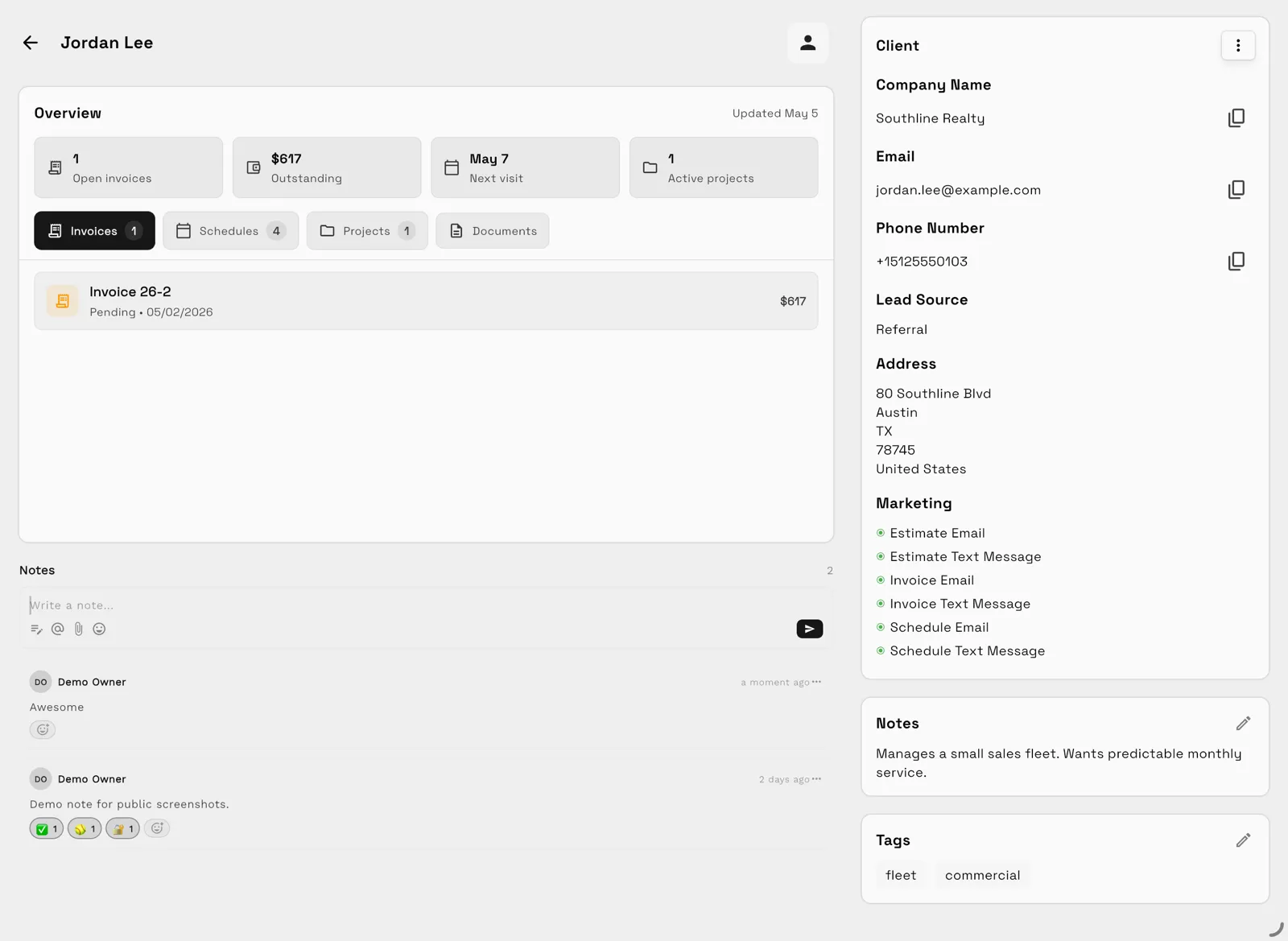
Workspace369 client record showing history, files, communication, and invoices in one profile

Key facts

CRM for branding agencies at Workspace369 covers 9 areas, including client records, proposals, projects and tasks.

The workflow runs in 5 steps, from "establishing the client record" to "final invoicing and closeout".

Workspace369 starts at $29/mo for 1 seat, and the Commander plan includes 20 seats, 500 GB of storage, and 120,000 AI tokens per month at $299/mo.

Additional seats cost $10 each and 100 GB of additional storage costs $15; full pricing is public on the Workspace369 pricing page.

The problem

Operational Friction in Identity Design Scope Creep

Untracked Scope Expansion

A branding project often starts with core visual assets but expands into packaging layouts after a concept presentation. Without immediate adjustments to client records and proposals, account managers continue under old assumptions. This disconnect leads to unbilled design hours and unrecorded project updates, because the administrative team lacks a clear method to update tasks and invoices when the original creative brief changes mid-stream.
Scattered Client Conversations

When a client requests packaging modifications over email or chat, those critical decisions often stay trapped in individual inboxes. Account leads cannot easily map these conversations to specific projects or tasks. Without a unified view of client records and conversations, scheduling adjustments are missed, and the agency risks presenting revisions that do not reflect the client's latest feedback on asset dimensions.

Disjointed Project Invoicing

When brand identity work expands to packaging, invoicing must reflect the new deliverables immediately. If your billing tools are disconnected from your project tasks and files, manual tracking errors occur. Financial teams issue invoices based on outdated proposals, resulting in delayed client payments, manual reconciliation work, and friction during the final delivery phase of the brand assets.

Misaligned Scheduling Milestones

Adding packaging design to a brand identity timeline requires immediate adjustments to presentation dates. If scheduling is managed in isolation from tasks and projects, deadlines conflict with existing team commitments. Creative directors cannot accurately gauge availability, causing delayed presentations to clients and internal bottlenecks because the administrative timeline does not reflect the actual scope of work.

The product

See the workspace your clients feel.

01

A portal clients actually check

Clients watch progress, files, and invoices in a branded portal instead of asking your team for updates.

Workspace369 client record showing history, files, communication, and invoices in one profile
02

Every channel in one inbox

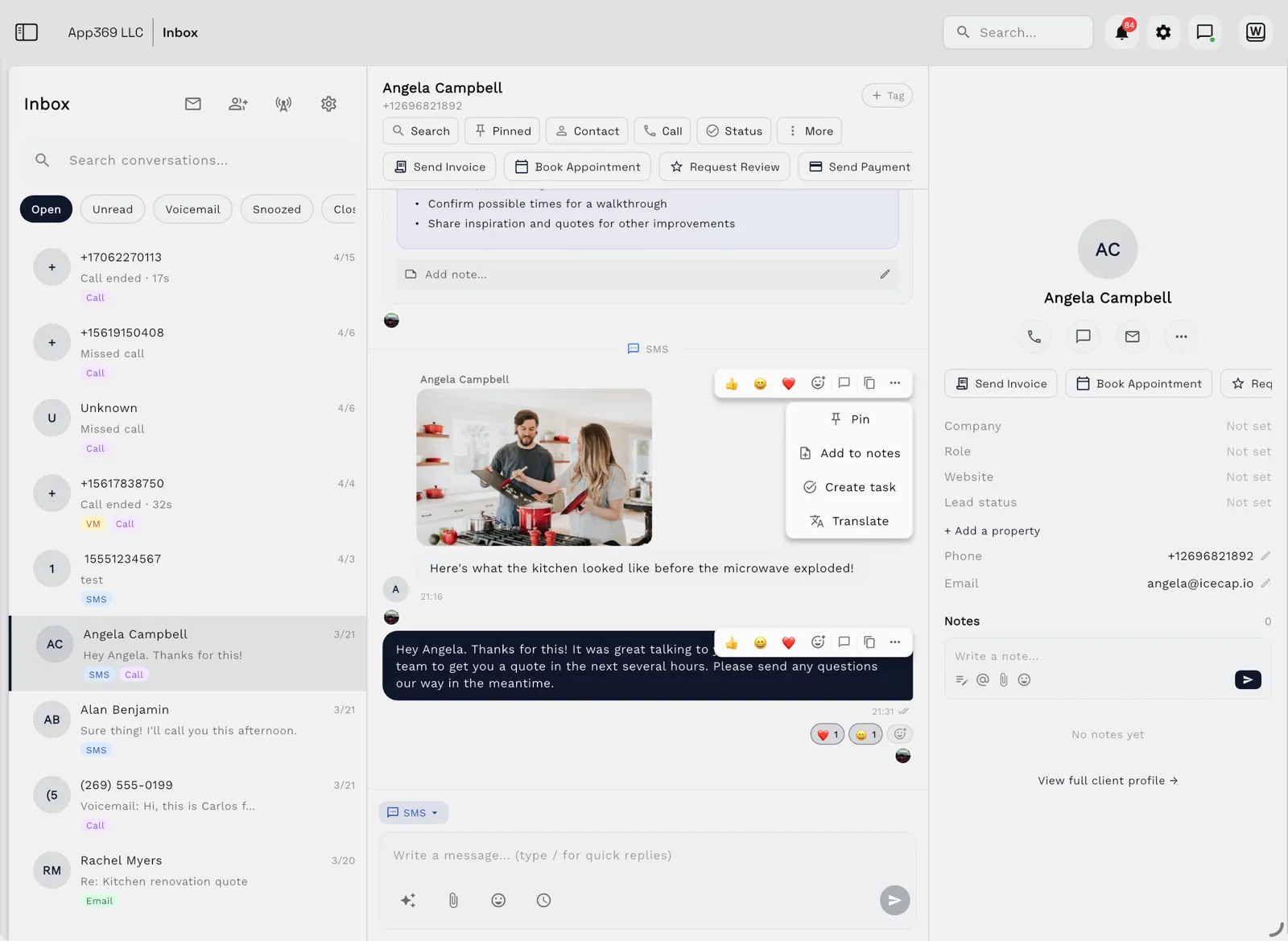
Email, SMS, calls, and voicemail land beside the client record — with AI summaries, so anyone on the team can reply with full context.

Workspace369 shared inbox showing email, SMS, and call history beside a client record
03

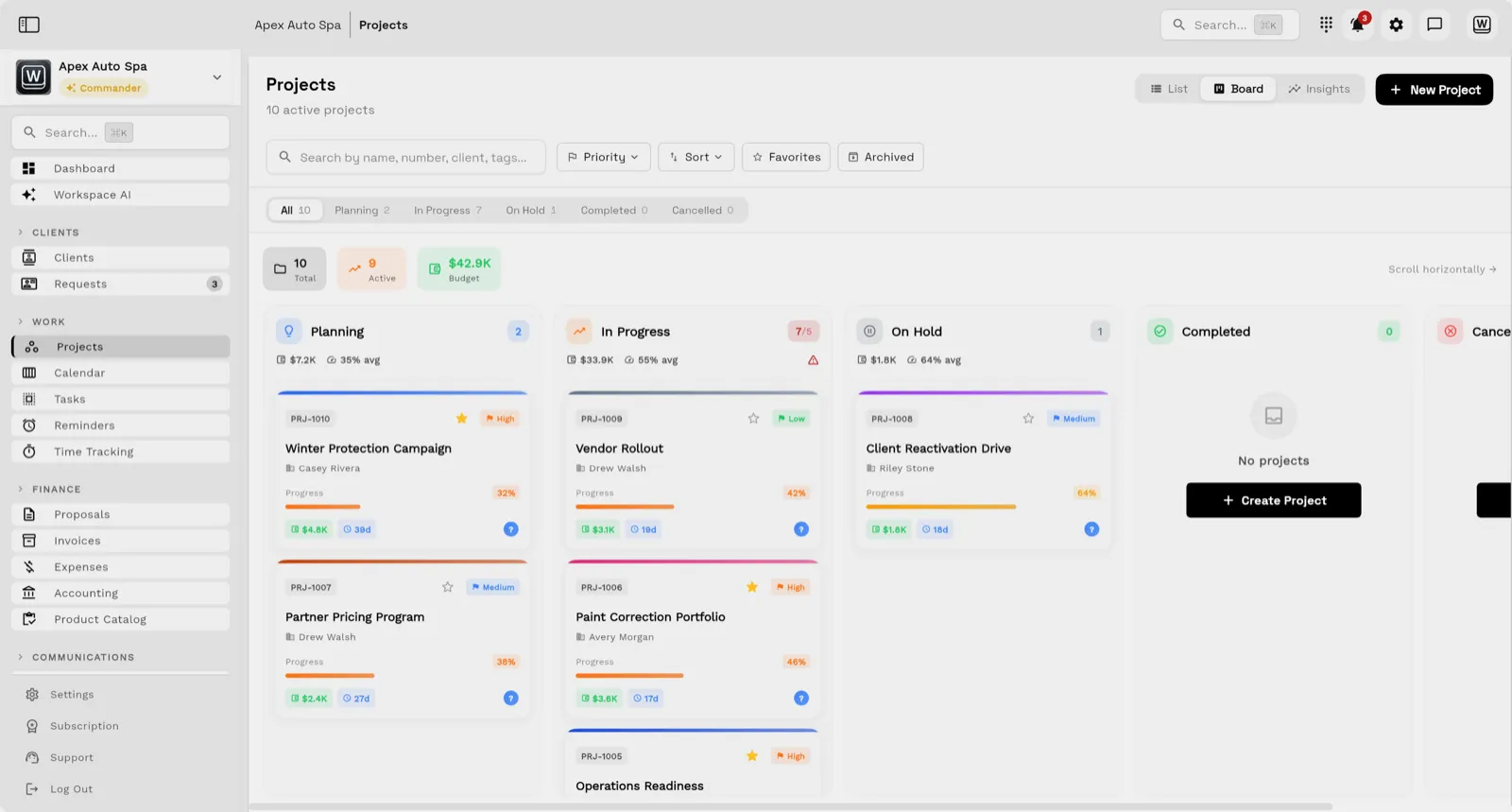
Client work, organized as projects

Tasks, files, and status for every engagement — visible to the team and, through the client portal, to the client.

Workspace369 project board showing client work organized into stages with owners and status
04

Proposals to paid invoices

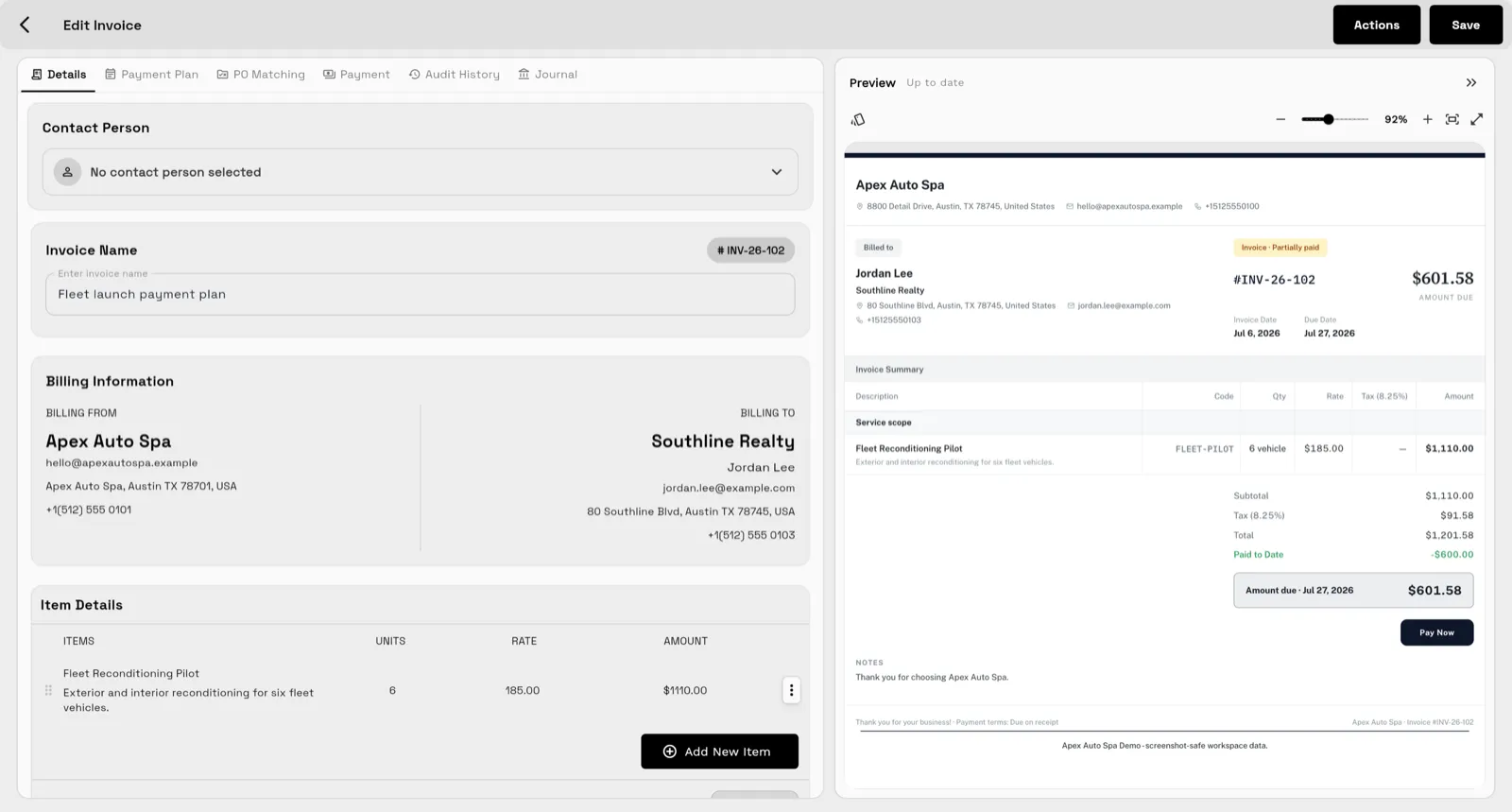
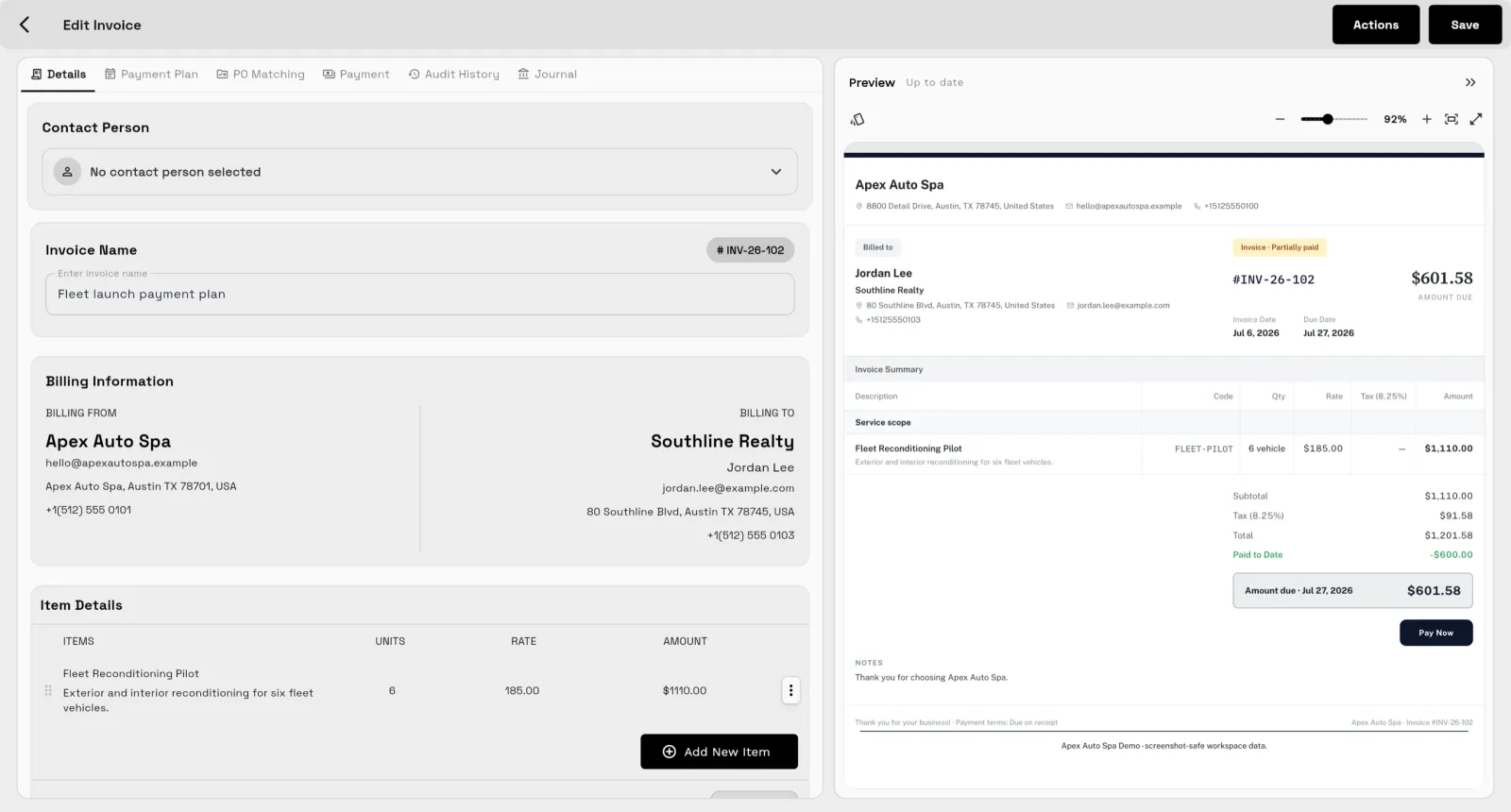
Send quotes, bill milestones or retainers, and let automated reminders chase anything outstanding.

Workspace369 invoice editor showing line items, payment terms, and client details

Workflow

Managing Brand Identity and Scope Adjustments

01

Establishing the Client Record

The workflow begins by creating a new entry in client records and scheduling the initial brand discovery session. A person must manually record the initial creative constraints and asset requirements in the brief. This ensures that all subsequent proposals, conversations, and tasks are linked directly to the correct client profile from day one, preventing administrative fragmentation during the early strategy phase.

02

Issuing the Core Proposal

The account director drafts and sends formal proposals outlining the initial logo and identity scope. This document specifies the exact number of concepts and revisions included. Once the client reviews this in the client portal, a person must update the project status and initialize the standard identity design tasks, linking the approved proposal directly to the active project folder.

03

Adjusting Scope for Packaging

When the client requests packaging design after the logo concept presentation, a person must document this change. The account manager updates the client records, logs the specific conversation details, and attaches a revised proposal for the packaging add-on. A human operator then creates new tasks for structural packaging layouts and updates the project timeline to prevent scheduling overlaps.

04

Tracking Deliverables and Files

Designers upload low-resolution presentation files and reference documents directly to the project folder for client review. A person must organize these files and assign review tasks to the client via the client portal. While high-resolution production files stay in your design software, presentation files, reference documents and client feedback conversations live in the project record.

05

Final Invoicing and Closeout

Upon final approval of the packaging concepts, a person must generate the final invoices reflecting both the original identity work and the packaging scope extension. The operator checks that all tasks are marked complete and verifies that the invoices match the updated proposals before sending them. The client portal remains open for the client to download final reference documentation.

Product coverage

Client operations for branding agencies

  • A human operator must verify that a revised proposal for packaging can be linked directly to an existing client record without overwriting the original logo design proposal history.
  • The evaluator must confirm that scheduling changes made to packaging presentation tasks automatically update the shared project timeline visible to account team members.
  • The tester must verify that a client can access shared presentation files and view active billing statements through the client portal without seeing internal design task notes.
Client records
Proposals
Projects and tasks
Files
Conversations
Scheduling
Invoices
Client portal
Workflow Automations

Loved on the App Store

Rated by the people running their client work on it.

★★★★★
Finally feels calm

Bounced between three or four all-in-one tools and always ended up in a mess of tabs. This is the first one that feels calm. Set up my client projects in ten minutes.

Justin R. · Solo founder · App Store review
★★★★★
Painless team rollout

Rolled it out to our eight-person team and adoption was painless — intuitive and polished. I'd love more integrations, but they keep shipping.

Samantha D. · Operations lead · App Store review
★★★★★
Hours back every week

Was juggling separate tools for notes, tasks, docs, and updates. Consolidating into one place has genuinely saved me hours each week. Support is responsive too.

Alicia N. · Agency founder · App Store review

Get started

See Workspace369 on your own client work.

Start a free trial or talk to sales — either way, you will see the whole loop: inbox, projects, portal, and billing.

FAQ

Evaluation Criteria for Branding Workflow Testing

Can Workspace369 manage our vector design files and version histories?

Working vector files and their edit history stay in your design software. From Specialist, Workspace369 stores presentation and final files against each client and project with file versioning, alongside the proposals, tasks and invoices that run your branding agency.

How do we handle a rebrand that expands from a logo to packaging?

In this fictional evaluation exercise, a person must manually update the client records and conversations to document the scope expansion. You then issue a new proposal for the packaging deliverables, adjust project tasks, update scheduling deadlines, and generate updated invoices to reflect the expanded scope of work accurately.

Can we automate task assignments when a proposal is accepted?

Workflow Automations can create tasks, send email or SMS, issue reminders and notify team members using supported triggers, conditions and timed waits. Email automations start at Cadet and SMS steps at Voyager; AI-drafted workflows start at Commander. Test the required event, owner and review step before enabling the workflow. Call triggers start on Specialist, where voice is included.

Does the client portal support digital signatures for branding contracts?

Yes. Every proposal gets a public approval and e-signing link, and deposit collection on acceptance starts on Specialist. Clients can view their active proposals, projects, and invoices directly within the portal, streamlining the approval process when a project expands from a logo to packaging design.

Ready when you are

See where Workspace369 fits into your client-work flow.

Start with the modules you need today, then turn on AI, automations, accounting, inventory, requests, and reporting as the operation grows.