CRM for event venues

CRM for Event Venues with a Tentative Date Hold Workflow

Venue administrators need clear administrative tracking when an inquiry requests a tentative date hold before signing a contract. Workspace369 runs these requests from first inquiry to paid deposit, using client records, proposals, project tasks and invoices. With a shared team calendar, a written availability check and a clear conversation history, your team manages client expectations and catches complex scheduling conflicts early. When an inquiry arrives, having a structured environment to log dates, client preferences, and initial notes ensures that the entire team stays informed. This structure helps coordinators track the progression of an inquiry from the initial contact through the proposal stage, ensuring that no details are lost before a formal agreement is finalized. By maintaining a clear record of all interactions, venue managers can review the history of any request, coordinate internal schedules, and prepare accurate documentation for prospective clients.

Clientthe relationship and agreed brief
Worktasks with a responsible person
Billinginvoices and commercial context
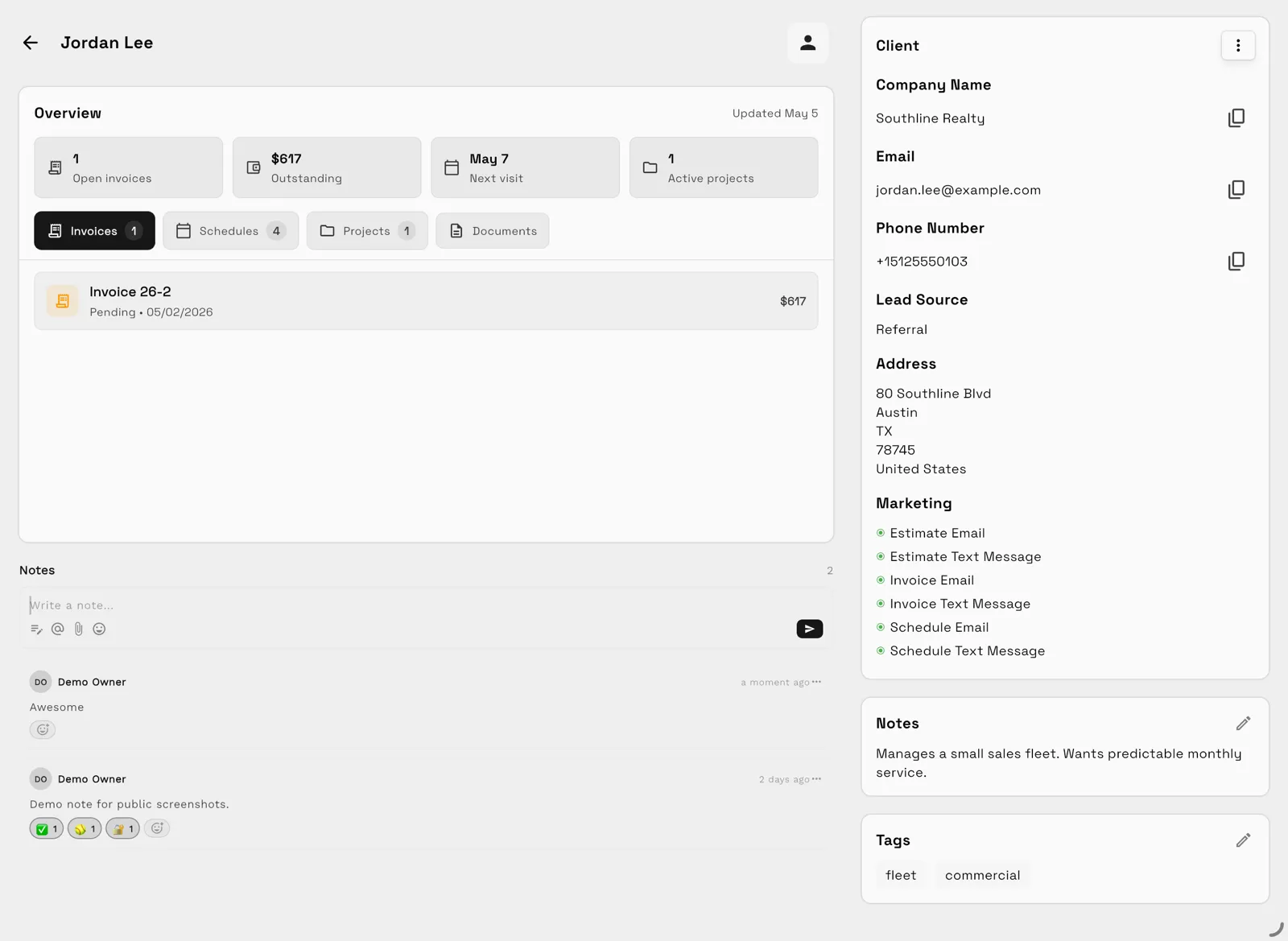
Workspace369 client record showing history, files, communication, and invoices in one profile

Key facts

CRM for event venues at Workspace369 covers 9 areas, including client records, proposals, projects and tasks.

The workflow runs in 5 steps, from "logging the inquiry" to "transitioning to project execution".

Workspace369 starts at $29/mo for 1 seat, and the Commander plan includes 20 seats, 500 GB of storage, and 120,000 AI tokens per month at $299/mo.

Additional seats cost $10 each and 100 GB of additional storage costs $15; full pricing is public on the Workspace369 pricing page.

The problem

Administrative Challenges in Venue Inquiry Management

Unverified Date Holds

When an inquiry requests a tentative date hold, teams often leave notes across scattered systems. Without a structured client record, other coordinators might assume a date is entirely open or completely booked. This lack of administrative clarity leads to conflicting verbal agreements with prospective clients, causing operational friction before a formal proposal is even generated or sent for review. When multiple coordinators handle different inquiries simultaneously, the absence of a single shared log means that two separate clients might be promised the same calendar slot during phone conversations. This confusion requires extensive follow-up emails to correct, damages the venue's professional reputation, and creates unnecessary stress for the administrative staff who must resolve the scheduling conflict manually.
Scattered Client Communications

Venue coordinators often discuss event specs across separate email accounts. When files, floor plans, and layout preferences are not tied directly to the core client record, the team loses track of the agreed terms. This missing context makes it difficult to generate accurate Proposals or schedule site visits, forcing staff to search through individual inboxes to find critical client details. When a client calls with an urgent question about their layout or catering choices, the coordinator on duty may not have access to the colleague's inbox where those files are stored. This delay in response time slows down the planning process and can lead to errors when the final proposal is drafted, as outdated specifications might be accidentally included instead of the revised plans.

Disconnected Proposal Tracking

Sending a venue proposal often happens in isolation from the initial inquiry notes. If the coordinator cannot see the tentative date hold details alongside the active contract draft, they may issue document terms that conflict with the client's original request. This disconnected approach delays the signing process and requires extensive manual revisions to align the event scope with available dates. Without a direct link between the initial inquiry notes and the document generation tool, coordinators must copy and paste information across windows, increasing the risk of typographical errors in pricing, room allocations, or event times. These mistakes require additional rounds of review and revision, extending the time the date remains unconfirmed and potentially missing out on other bookings.

Delayed Deposit Invoicing

Securing a venue requires a prompt deposit invoice once a proposal is accepted. If invoicing is handled in a separate accounting tool without visibility into the project tasks, the administrative team may delay sending the bill. This lag extends the period a date remains tentative, preventing the venue from releasing the date hold or finalizing the booking. When the billing process is disconnected from the main client file, the finance team may not be immediately notified that a proposal has been signed. This communication gap can leave a date on hold for weeks without a financial commitment, blocking other revenue-generating events and complicating the venue's cash flow forecasting because pending deposits are not tracked in a timely manner.

The product

See the workspace your clients feel.

01

A portal clients actually check

Clients watch progress, files, and invoices in a branded portal instead of asking your team for updates.

Workspace369 client record showing history, files, communication, and invoices in one profile
02

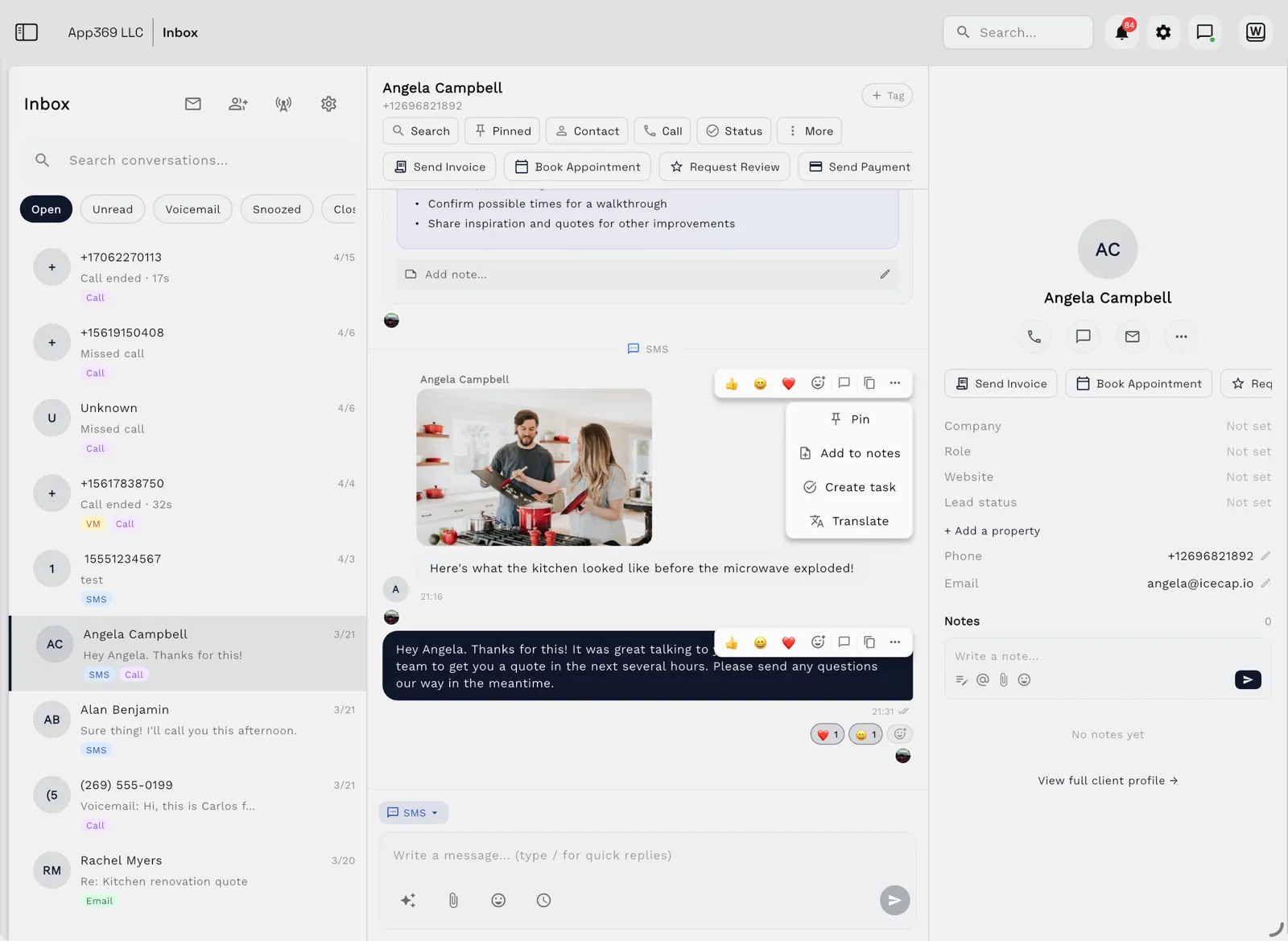
Every channel in one inbox

Email, SMS, calls, and voicemail land beside the client record — with AI summaries, so anyone on the team can reply with full context.

Workspace369 shared inbox showing email, SMS, and call history beside a client record
03

Client work, organized as projects

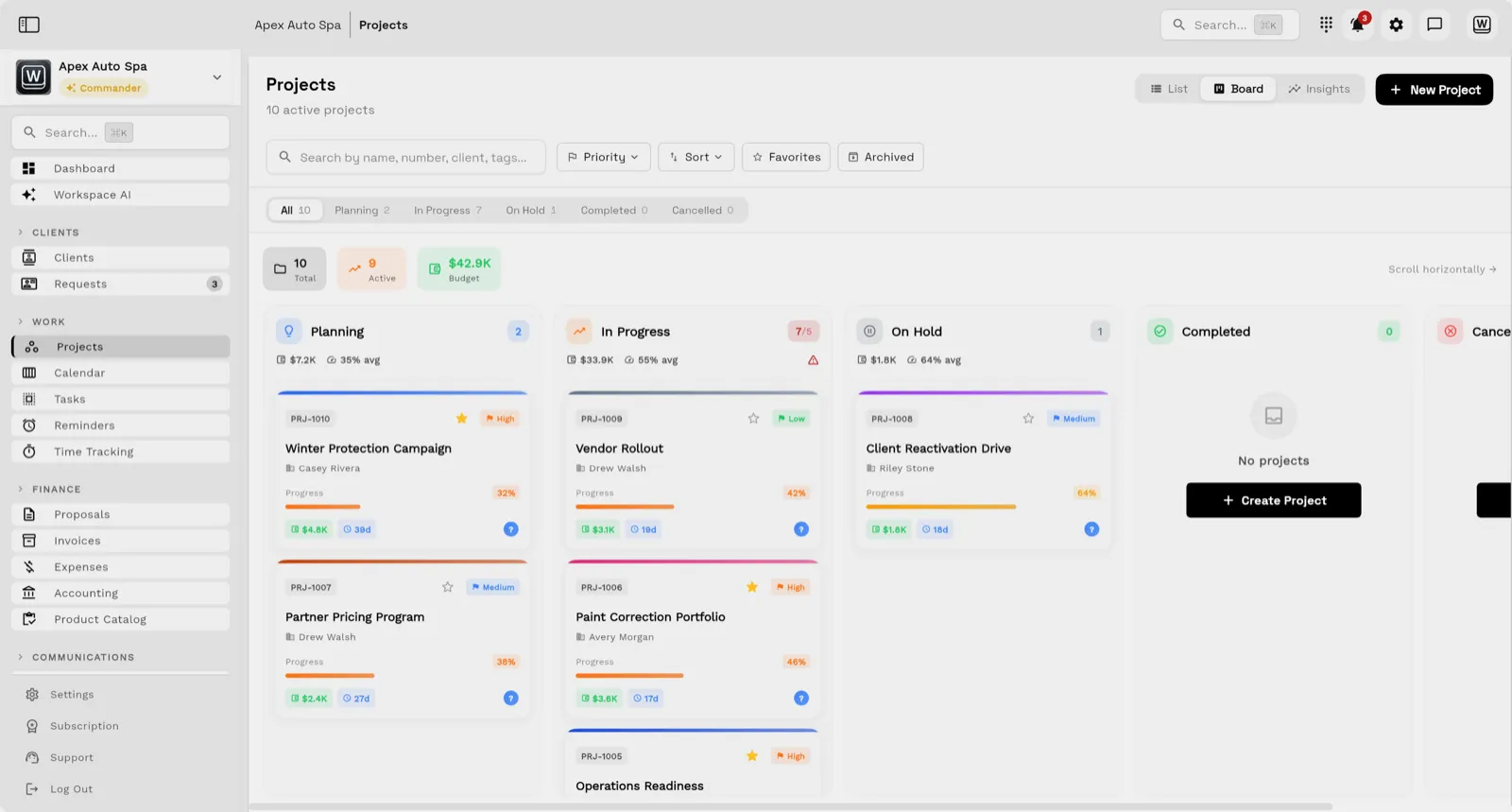
Tasks, files, and status for every engagement — visible to the team and, through the client portal, to the client.

Workspace369 project board showing client work organized into stages with owners and status
04

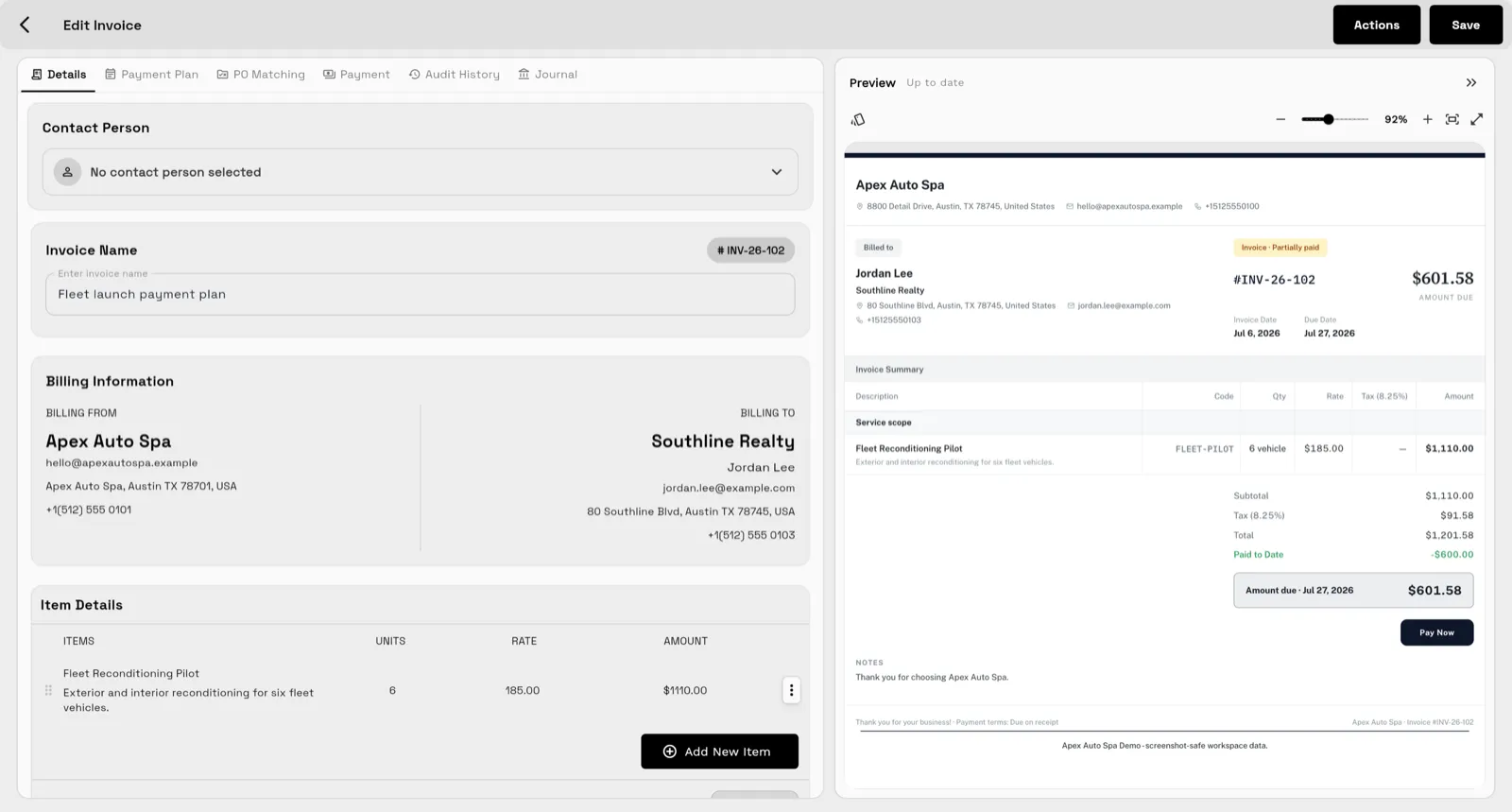
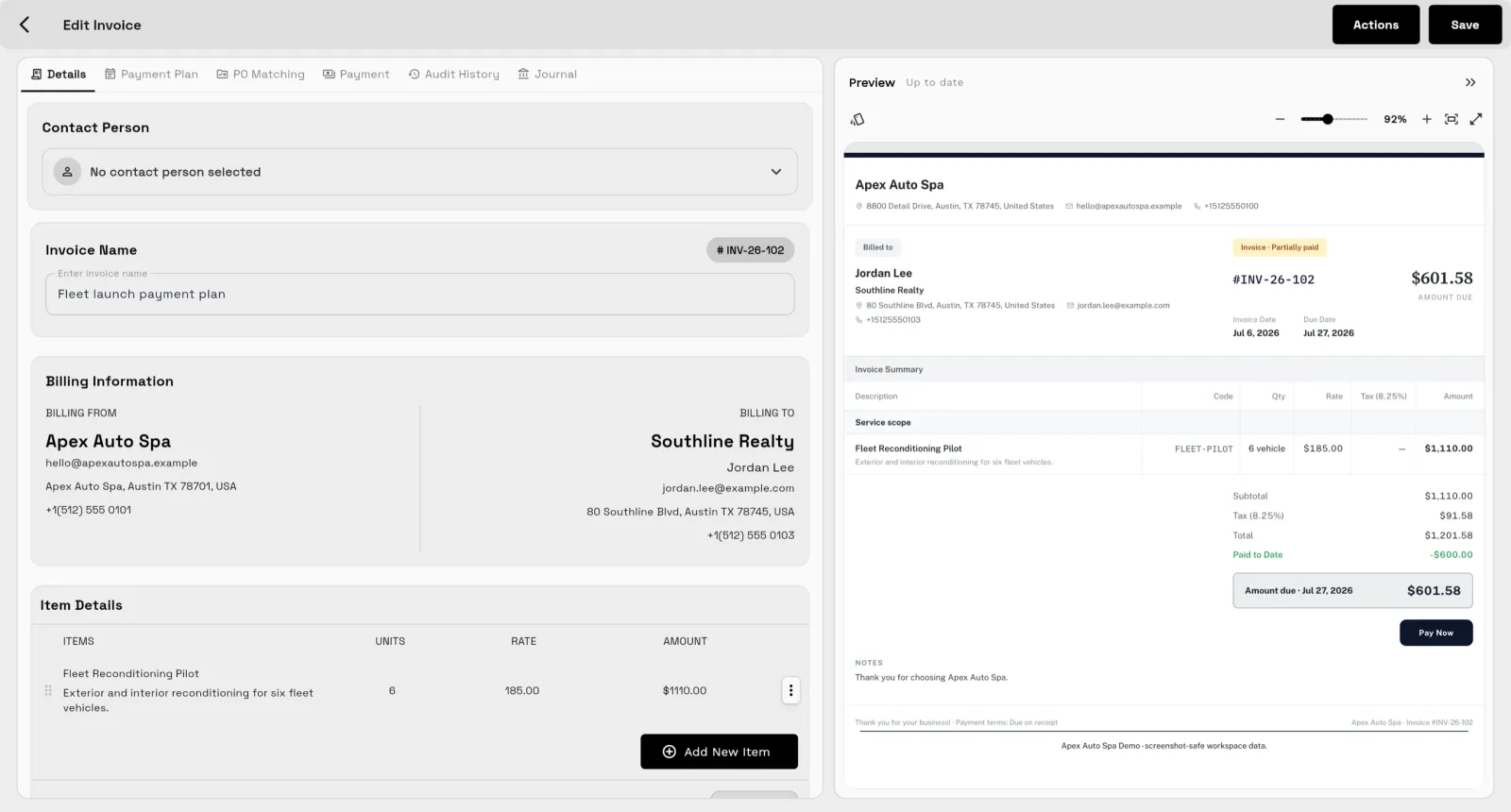
Proposals to paid invoices

Send quotes, bill milestones or retainers, and let automated reminders chase anything outstanding.

Workspace369 invoice editor showing line items, payment terms, and client details

Workflow

Operational Workflow for Venue Date Management

01

Logging the Inquiry

A coordinator enters the prospective client details into the client records immediately upon receiving an inquiry. The coordinator adds a specific text note to record in the brief that the client wants a tentative date hold for a specific room and calendar slot. This ensures any staff member reviewing the profile can see the pending request before initiating further conversations or scheduling site tours. By capturing these details at the very first point of contact, the venue establishes a clear history for the prospect. Any subsequent team member who interacts with the client can instantly see the requested date and room, preventing contradictory information from being shared and ensuring a consistent experience from the start.

02

Reviewing Availability Manually

The administrator reviews the master calendar and existing projects to verify if the requested date is clear of confirmed bookings. The team calendar shows every assigned event in one view, so holds and confirmed bookings sit side by side. Once checked, they update the tasks list with a reminder to follow up with the client within forty-eight hours regarding their tentative hold status. This manual verification step is crucial for venues with complex scheduling needs, as it allows the administrator to account for setup times, cleaning windows, and staff availability that automated systems might overlook. By cross-referencing active projects, the team ensures that no conflicting commitments are made before proceeding to the next stage.

03

Generating the Venue Proposal

The coordinator builds a detailed document using the Proposals feature, outlining room rental fees, catering minimums, and deposit schedules based on the notes recorded in the brief. This proposal is linked directly to the client records, allowing the prospect to review all terms, event dates, and payment timelines within their dedicated client portal account for clear visibility. Providing a secure portal for the client to access their proposal simplifies the review process. The client can examine the specific terms at their convenience, knowing that all details align with their initial request, while the coordinator can track whether the document has been viewed or requires further adjustments based on client feedback.

04

Confirming with Invoices

Once the client signs the proposal via the client portal, the venue administrator generates the initial deposit invoice. The system tracks the invoice status, and the coordinator assigns a task to verify the payment clearance. This keeps the tentative date hold separate from a confirmed booking until the deposit is paid. By linking the invoice directly to the client record, the team can monitor payment progress without switching between different software applications. This clear visibility helps the coordinator follow up on outstanding balances promptly, ensuring that the venue's calendar is only committed once the required deposit has been successfully processed and verified.

05

Transitioning to Project Execution

After the deposit invoice is paid, the administrator transitions the file into an active project. They upload layout files, floor plans, and vendor guidelines to the files section, and use scheduling to set up final coordinator meetings. All ongoing conversations regarding setup times are maintained directly within the project to keep the event record accurate and clear. This transition marks the official confirmation of the booking, moving the event from a tentative inquiry to an active operational project. Having all floor plans, vendor certificates, and communication logs stored in one accessible location allows the execution team to coordinate logistics smoothly, ensuring that every staff member has access to the most up-to-date event specifications.

Product coverage

Client operations for event venues

  • A coordinator can successfully log a tentative date hold by typing the specific date and room request directly as a text note to record in the brief within the client records.
  • The administrator can manually review active projects and tasks to verify date availability, then send a detailed venue proposal to the client portal for client review.
  • The client can view the proposal, send questions through conversations and pay a deposit invoice online, and the coordinator then moves the project from tentative to confirmed.
Client records
Proposals
Projects and tasks
Files
Conversations
Scheduling
Invoices
Client portal
Workflow Automations

Loved on the App Store

Rated by the people running their client work on it.

★★★★★
Finally feels calm

Bounced between three or four all-in-one tools and always ended up in a mess of tabs. This is the first one that feels calm. Set up my client projects in ten minutes.

Justin R. · Solo founder · App Store review
★★★★★
Painless team rollout

Rolled it out to our eight-person team and adoption was painless — intuitive and polished. I'd love more integrations, but they keep shipping.

Samantha D. · Operations lead · App Store review
★★★★★
Hours back every week

Was juggling separate tools for notes, tasks, docs, and updates. Consolidating into one place has genuinely saved me hours each week. Support is responsive too.

Alicia N. · Agency founder · App Store review

Get started

See Workspace369 on your own client work.

Start a free trial or talk to sales — either way, you will see the whole loop: inbox, projects, portal, and billing.

FAQ

Evaluation and Testing Criteria for Venue Admins

How does the system prevent two clients from booking the same venue date?

Coordinators log each hold as a calendar event with a follow-up task, and the team calendar shows every hold and booking in one view. Online booking pages and inventory tracking are included from Specialist. Test date holds, cancellations and conflicting requests against a written checklist before going live.

Can we store floor plans and vendor insurance certificates for a project?

Yes. From Specialist, file attachments let venue coordinators upload, store, and organize floor plans, vendor insurance certificates, and seating layouts directly within the specific client records or project folder. Staff can access these files during planning conversations or share them with clients through the client portal or a file share link.

How are clients notified about their venue deposit deadlines?

Administrators track deposit deadlines with calendar dates and tasks. The deposit invoice goes to the client portal with online card payment through Stripe. The coordinator checks the invoice status and can schedule a reminder message so the client pays before the tentative hold expires.

Can we manage multi-room venue bookings within a single profile?

Yes. You can organize multi-room events by creating a dedicated project for the client. The coordinator can record in the brief the specific rooms requested, assign tasks for each space, and include all details in the Proposals. This keeps every room allocation documented in one project file.

Ready when you are

See where Workspace369 fits into your client-work flow.

Start with the modules you need today, then turn on AI, automations, accounting, inventory, requests, and reporting as the operation grows.