CRM for real estate agents

CRM for real estate agents with a specific workflow

Real estate agents require clear client records and structured projects when managing buyers who pause their property searches. Workspace369 keeps client conversations, files, scheduling, proposals and invoices on one buyer record. An agent can update a property brief and keep the full search history intact, alongside the MLS tools the agent already uses.

Clientthe relationship and agreed brief
Worktasks with a responsible person
Billinginvoices and commercial context
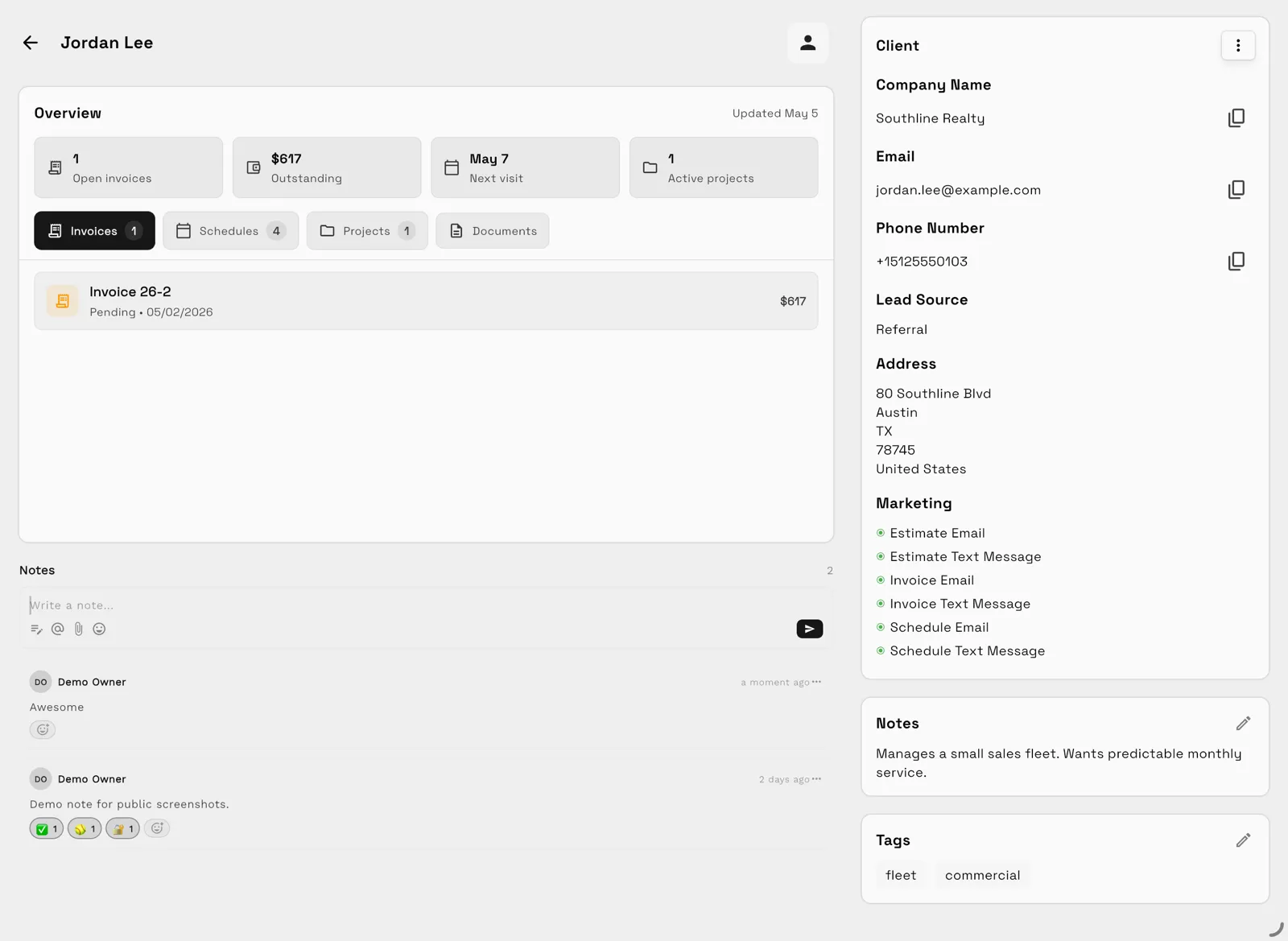
Workspace369 client record showing history, files, communication, and invoices in one profile

Key facts

CRM for real estate agents at Workspace369 covers 9 areas, including client records, proposals, projects and tasks.

The workflow runs in 5 steps, from "initiate client records" to "execute client portal collaboration".

Workspace369 starts at $29/mo for 1 seat, and the Commander plan includes 20 seats, 500 GB of storage, and 120,000 AI tokens per month at $299/mo.

Additional seats cost $10 each and 100 GB of additional storage costs $15; full pricing is public on the Workspace369 pricing page.

The problem

Administrative friction in property search updates

Fragmented Buyer Briefs

When a buyer lead changes criteria mid-search, critical details get lost in scattered texts. Agents struggle to update client records accurately. Without a structured file depository, old property proposals mix with new parameters. This causes confusion during active scheduling and project tracking, leading to mismatched property tours and wasted hours.
Disorganized Client Conversations

Real estate agents often manage multiple active conversations across different platforms. When a buyer pauses their property search, the context disappears. Reviving the lead weeks later requires digging through old messages. Without a unified conversation history attached directly to client records, agents lose track of previous feedback and specific preferences.

Misaligned Project Tasks

Pausing a property search disrupts the active task timeline. Agents find it difficult to halt current projects and reschedule future viewings. If tasks are not linked directly to client records, administrative oversight fails. This results in team members executing outdated assignments, preparing irrelevant property files, or missing critical follow-up dates completely.

Invoicing and Proposal Delays

When property briefs shift, initial proposals and fee structures often require revision. Real estate agents spend time manually recreating invoices and proposals from scratch. Without a client-work system to link updated client records to active proposals, billing errors can occur, delaying compensation and complicating basic brokerage administrative workflows.

The product

See the workspace your clients feel.

01

A portal clients actually check

Clients watch progress, files, and invoices in a branded portal instead of asking your team for updates.

Workspace369 client record showing history, files, communication, and invoices in one profile
02

Every channel in one inbox

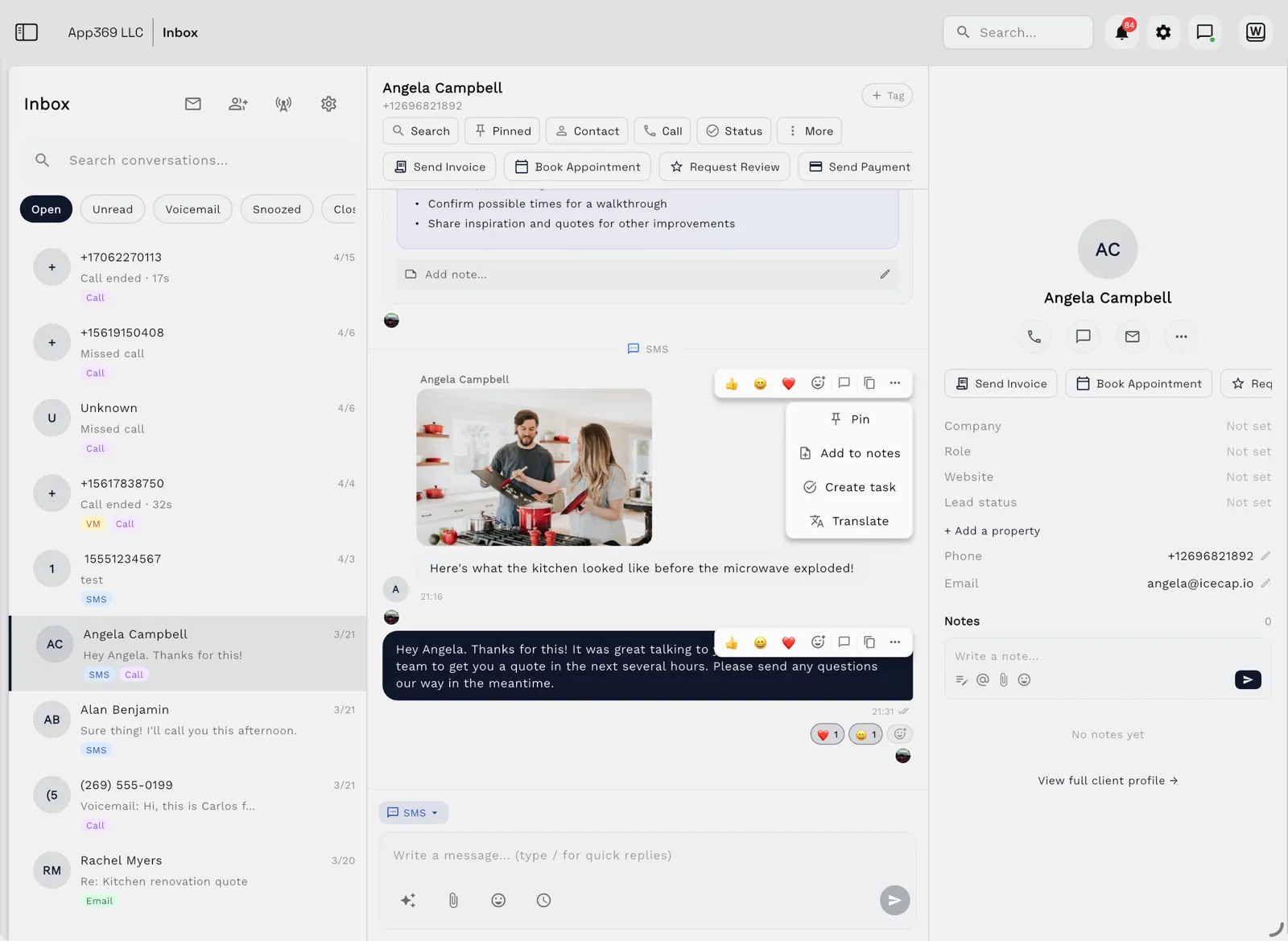
Email, SMS, calls, and voicemail land beside the client record — with AI summaries, so anyone on the team can reply with full context.

Workspace369 shared inbox showing email, SMS, and call history beside a client record
03

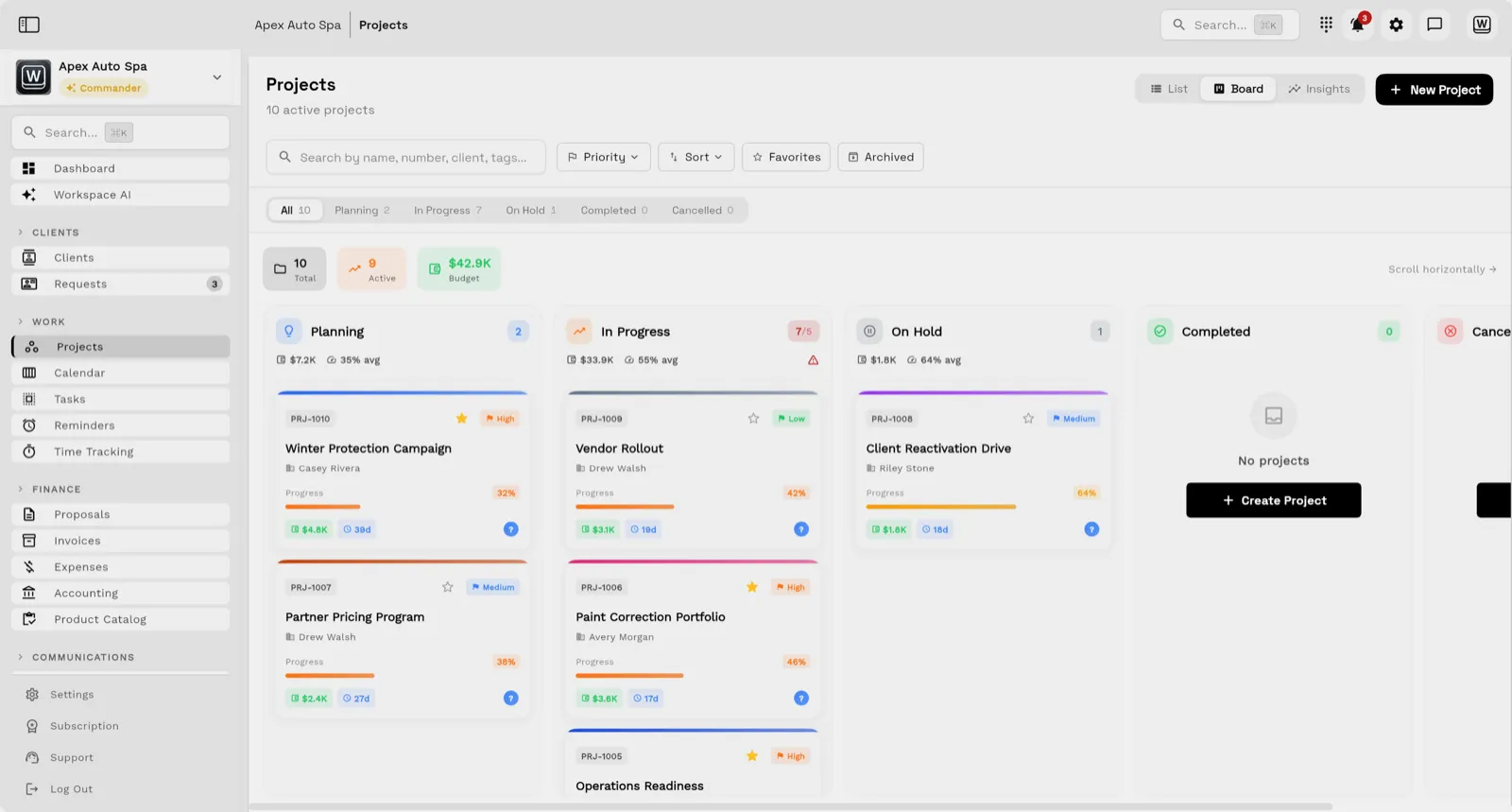
Client work, organized as projects

Tasks, files, and status for every engagement — visible to the team and, through the client portal, to the client.

Workspace369 project board showing client work organized into stages with owners and status
04

Proposals to paid invoices

Send quotes, bill milestones or retainers, and let automated reminders chase anything outstanding.

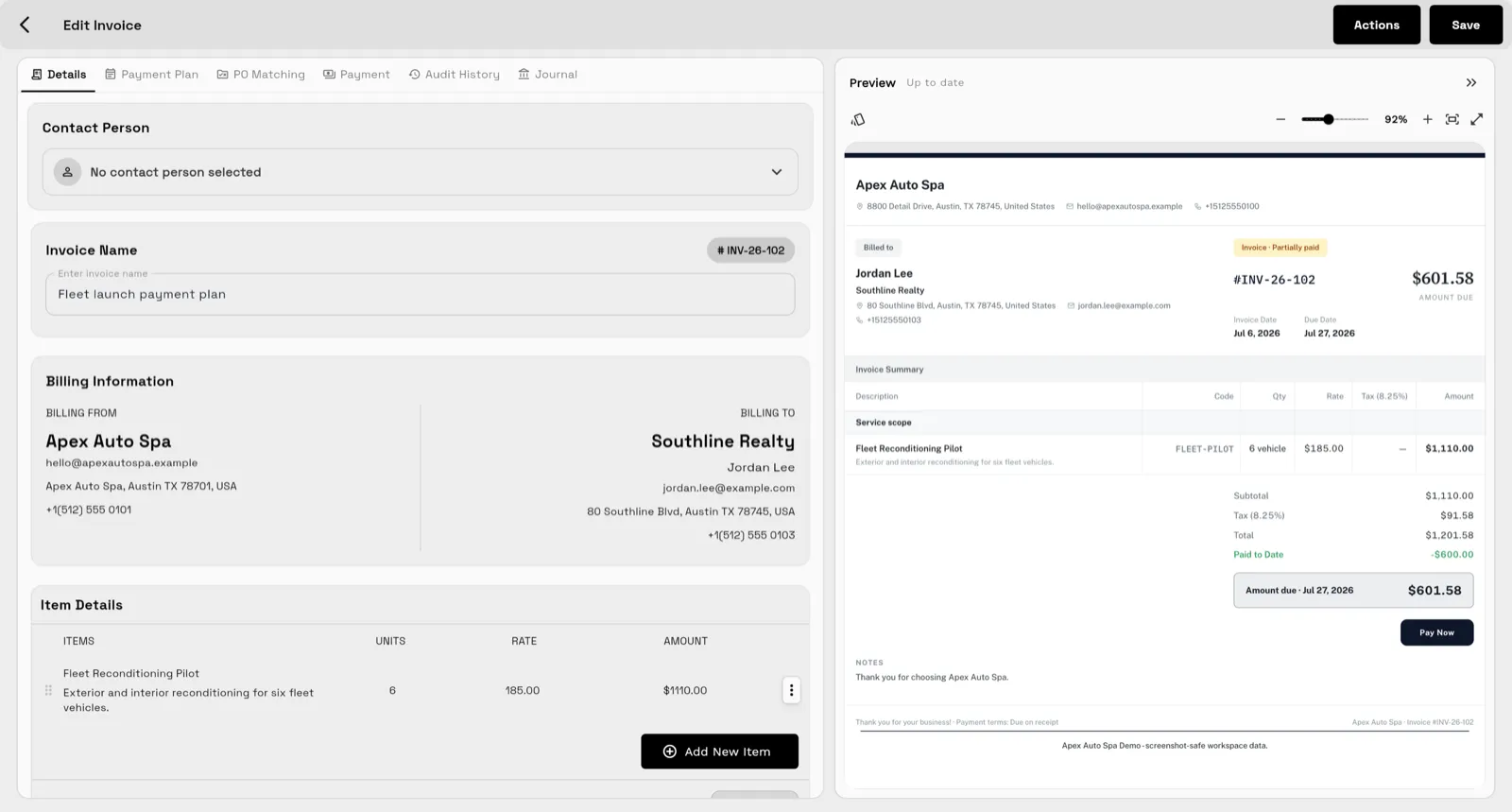
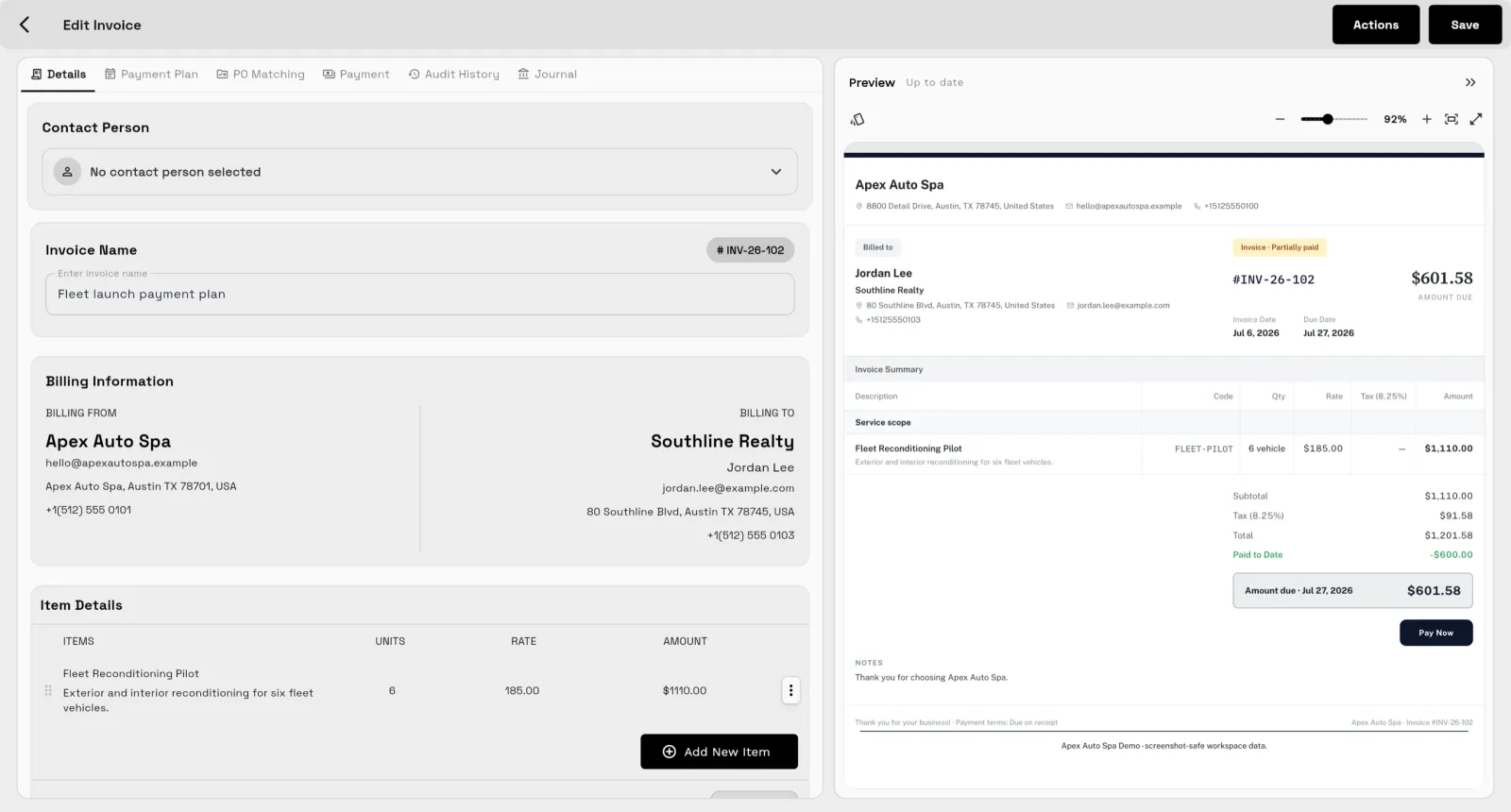
Workspace369 invoice editor showing line items, payment terms, and client details

Workflow

Step-by-step buyer brief management workflow

01

Initiate Client Records

The real estate agent establishes a new entry in client records immediately upon receiving a buyer inquiry. This profile stores the primary contact information, initial property preferences, and baseline budget constraints. The agent logs all initial conversations and uploads foundational files to set a clean baseline before scheduling any initial property consultations or drafting preliminary agency agreements.

02

Issue Proposals and Scheduling

The agent creates formal proposals detailing service terms and commission structures within the system. Once the buyer signs, the agent uses scheduling to book the first round of property viewings. All relevant property brief documents are uploaded to the files section, and initial project tasks are assigned to support preparation for upcoming property tours.

03

Log Paused Search Activity

When a buyer lead pauses a search, the agent updates the project status and records the specific reason in the brief within the client records. Active scheduling blocks are cleared, and remaining tasks are marked as on hold. The historical conversation log stays on the client record, so the exact context of the pause is documented for future reference.

04

Update Property Brief and Files

When the buyer resumes with a different property brief, the agent records the new criteria directly in the client records. New property proposals are generated to reflect the updated parameters. The agent uploads revised search files and creates fresh project tasks to align the operational workflow with the buyer's new geographic or structural requirements.

05

Execute Client Portal Collaboration

The real estate agent invites the buyer to the client portal to review the updated property proposals and scheduling options. The buyer accesses the latest files and confirms new viewing dates. The agent records these interactions in the client records, ensuring the active search workflow is fully updated and aligned with the buyer's new requirements.

Product coverage

Client operations for real estate agents

  • Updating the client records with a new property brief keeps the historical conversation logs from the initial paused search phase intact.
  • A review confirms that the client portal shows the active buyer lead the newly approved property proposals and updated scheduling blocks.
  • The agent can link new project tasks and revised invoices to the updated buyer profile without losing previous file attachments.
Client records
Proposals
Projects and tasks
Files
Conversations
Scheduling
Invoices
Client portal
Workflow Automations

Loved on the App Store

Rated by the people running their client work on it.

★★★★★
Finally feels calm

Bounced between three or four all-in-one tools and always ended up in a mess of tabs. This is the first one that feels calm. Set up my client projects in ten minutes.

Justin R. · Solo founder · App Store review
★★★★★
Painless team rollout

Rolled it out to our eight-person team and adoption was painless — intuitive and polished. I'd love more integrations, but they keep shipping.

Samantha D. · Operations lead · App Store review
★★★★★
Hours back every week

Was juggling separate tools for notes, tasks, docs, and updates. Consolidating into one place has genuinely saved me hours each week. Support is responsive too.

Alicia N. · Agency founder · App Store review

Get started

See Workspace369 on your own client work.

Start a free trial or talk to sales — either way, you will see the whole loop: inbox, projects, portal, and billing.

FAQ

Verification criteria for property brief updates

How does Workspace369 handle a buyer lead who suddenly pauses their active property search?

The real estate agent moves the project to an on-hold stage and logs the details in the brief within the client records. This action allows the agent to retain existing conversations, historical files, and past scheduling data, keeping the full record intact until the buyer decides to resume the search.

Can I manage updated property criteria without overwriting the original buyer preferences?

Yes. You should record the new criteria in the brief section of the client records while maintaining the old documents in the files tab. This keeps a complete history of the buyer's changing market preferences without losing initial search data.

Does this system connect directly to local MLS databases to pull property listings automatically?

Workspace369 connects to other systems through webhooks and its API from Specialist. Map the events and fields you need, set permissions and test failure handling with sample records before you rely on the sync.

How do buyers interact with updated proposals and new viewing schedules?

Real estate agents publish updated proposals and scheduling options directly to the client portal. Buyers log in to review the new files, confirm viewing dates, and maintain conversations. This ensures clear communication regarding the revised property brief without mixing up old project tasks or previous invoices.

Ready when you are

See where Workspace369 fits into your client-work flow.

Start with the modules you need today, then turn on AI, automations, accounting, inventory, requests, and reporting as the operation grows.