CRM for custom manufacturers

CRM for custom manufacturers with a specific workflow

Custom manufacturers face administrative friction when a buyer alters design specifications after a proposal is signed. Workspace369 runs this client workflow through client records, proposals with e-signing, files, projects, and invoices. Every client conversation, updated drawing, and revised agreement sits on one record before and during the manufacturing process, with file versioning from Specialist.

Clientthe relationship and agreed brief
Worktasks with a responsible person
Billinginvoices and commercial context
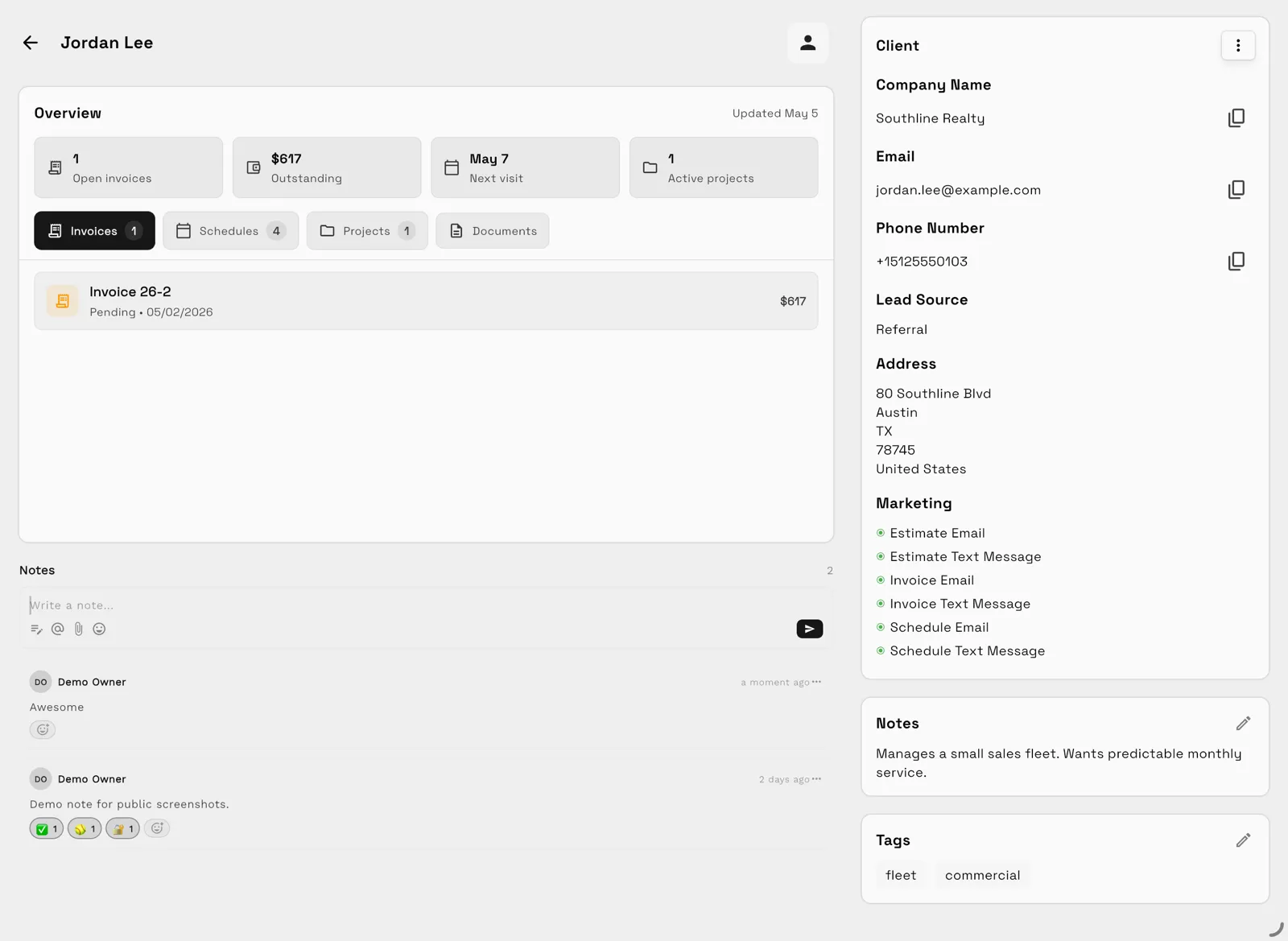
Workspace369 client record showing history, files, communication, and invoices in one profile

Key facts

CRM for custom manufacturers at Workspace369 covers 9 areas, including client records, proposals, projects and tasks.

The workflow runs in 5 steps, from "initial client recording and scheduling" to "revised invoicing and scheduling updates".

Workspace369 starts at $29/mo for 1 seat, and the Commander plan includes 20 seats, 500 GB of storage, and 120,000 AI tokens per month at $299/mo.

Additional seats cost $10 each and 100 GB of additional storage costs $15; full pricing is public on the Workspace369 pricing page.

The problem

Operational friction in custom manufacturing setups

Mid-process specification revisions

When a manufacturing buyer revises specifications after signing a proposal, the updated design details often get lost in scattered emails. Without one clear system, the team cannot easily verify which file contains the final production parameters. Workspace369 addresses this by keeping client conversations, files, and project records linked directly to the client record, so the team always reviews the latest documentation.
Disconnected client communication

Technical production teams and administrative staff frequently struggle to maintain a unified history of client requests. When a buyer asks for a material adjustment via a phone call or separate message, that decision must be manually recorded. If conversations and files are not linked to the main project, the team risks executing the original proposal instead of the revised manufacturing specifications requested by the buyer.

Outdated proposal tracking

Initial production cost projections for custom manufacturing often change as technical constraints emerge. If the original proposal remains static while the project scope expands, invoicing errors occur. Tracking revisions requires a manual update to the administrative files. When new proposals or invoices are needed, the administrative staff must have a clear record of the changes to avoid billing the client for the wrong production run.

Disorganized file versioning

Custom manufacturing requires sharing complex design files and technical sheets with buyers. When multiple iterations exist, locating the approved version becomes difficult for administrative coordinators. If the latest files are buried in individual email inboxes rather than a shared client portal or project file repository, the administration team cannot accurately coordinate scheduling, tasks, or follow-up invoices with the client.

The product

See the workspace your clients feel.

01

A portal clients actually check

Clients watch progress, files, and invoices in a branded portal instead of asking your team for updates.

Workspace369 client record showing history, files, communication, and invoices in one profile
02

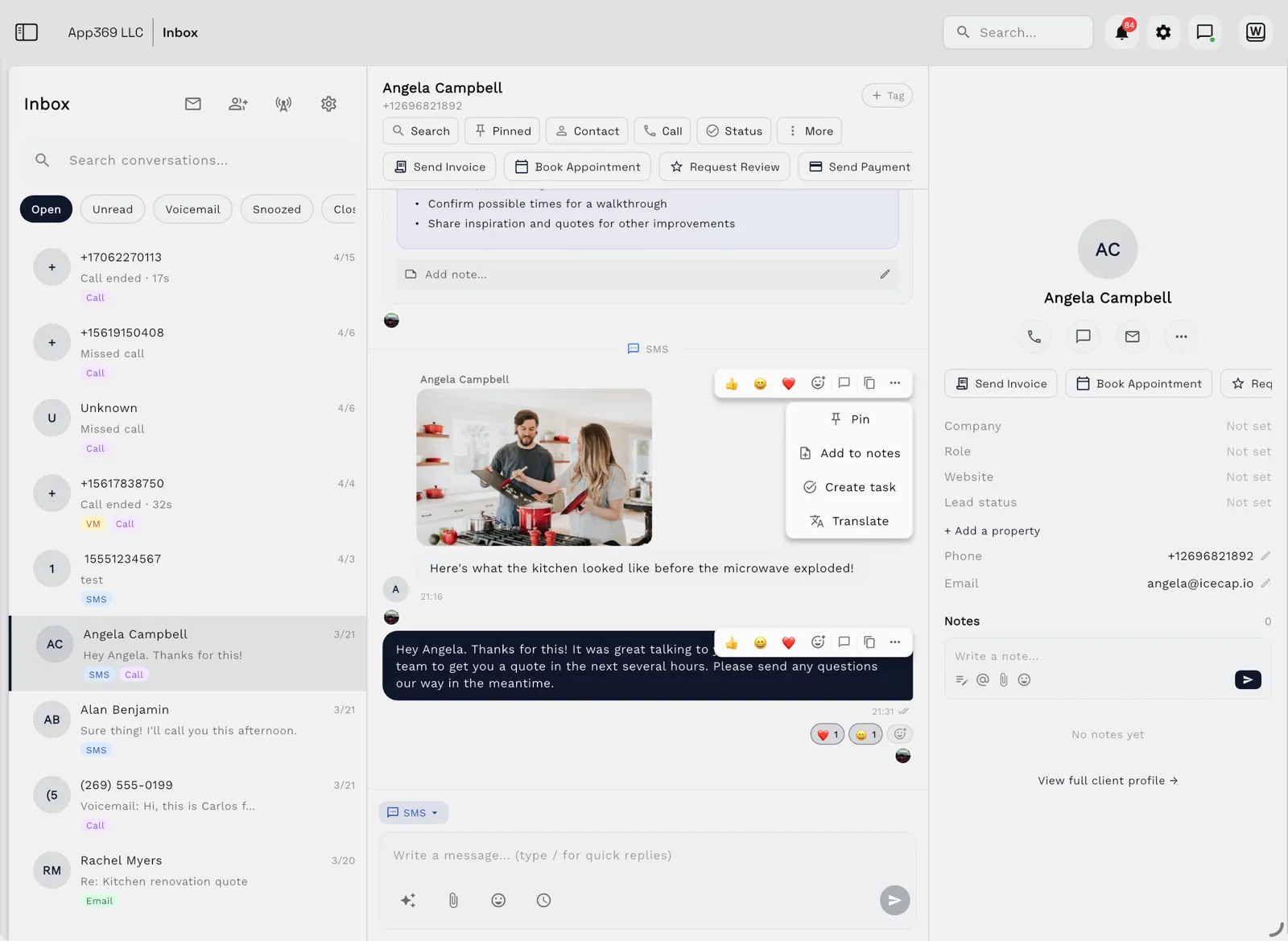
Every channel in one inbox

Email, SMS, calls, and voicemail land beside the client record — with AI summaries, so anyone on the team can reply with full context.

Workspace369 shared inbox showing email, SMS, and call history beside a client record
03

Client work, organized as projects

Tasks, files, and status for every engagement — visible to the team and, through the client portal, to the client.

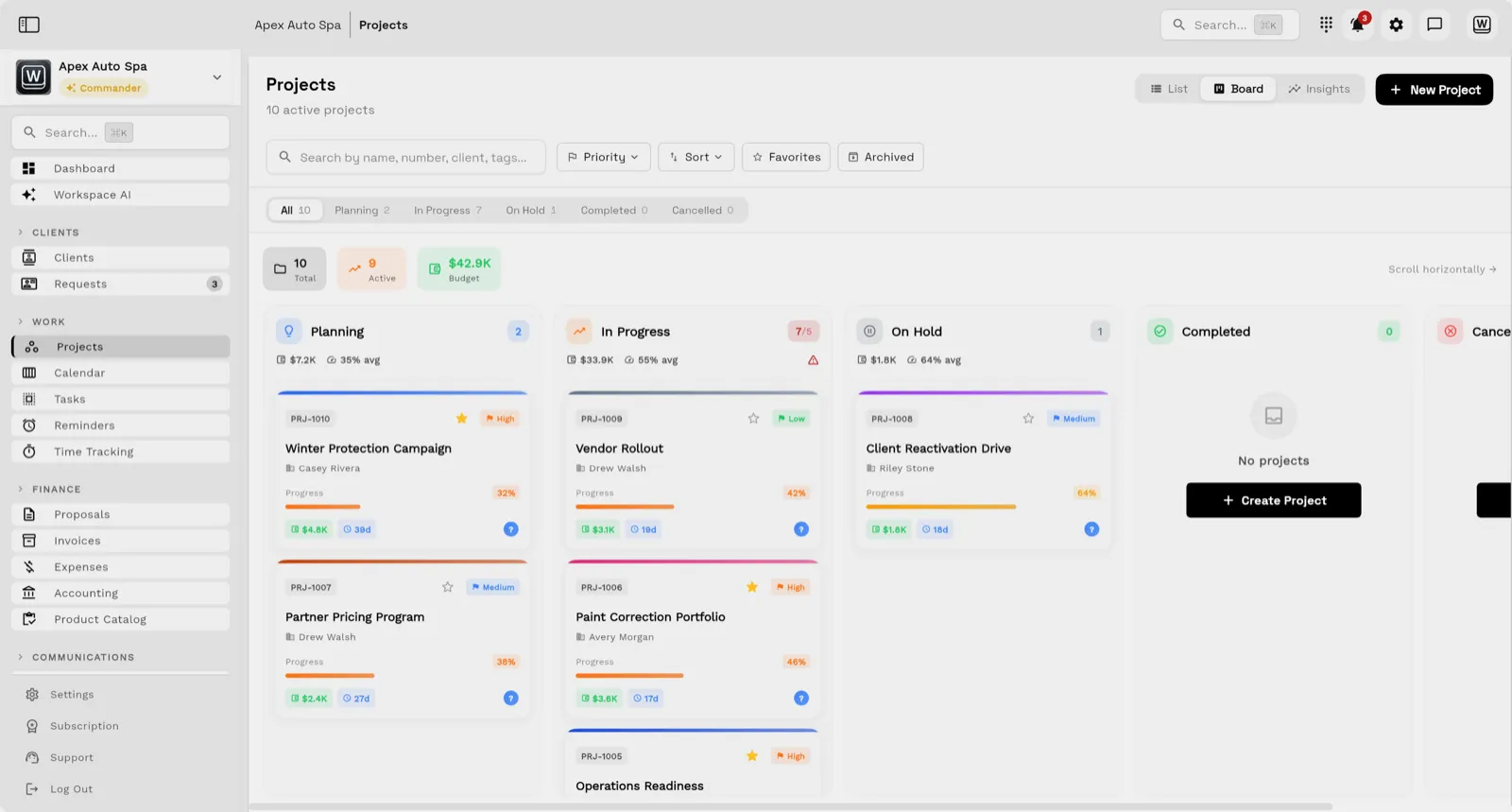
Workspace369 project board showing client work organized into stages with owners and status
04

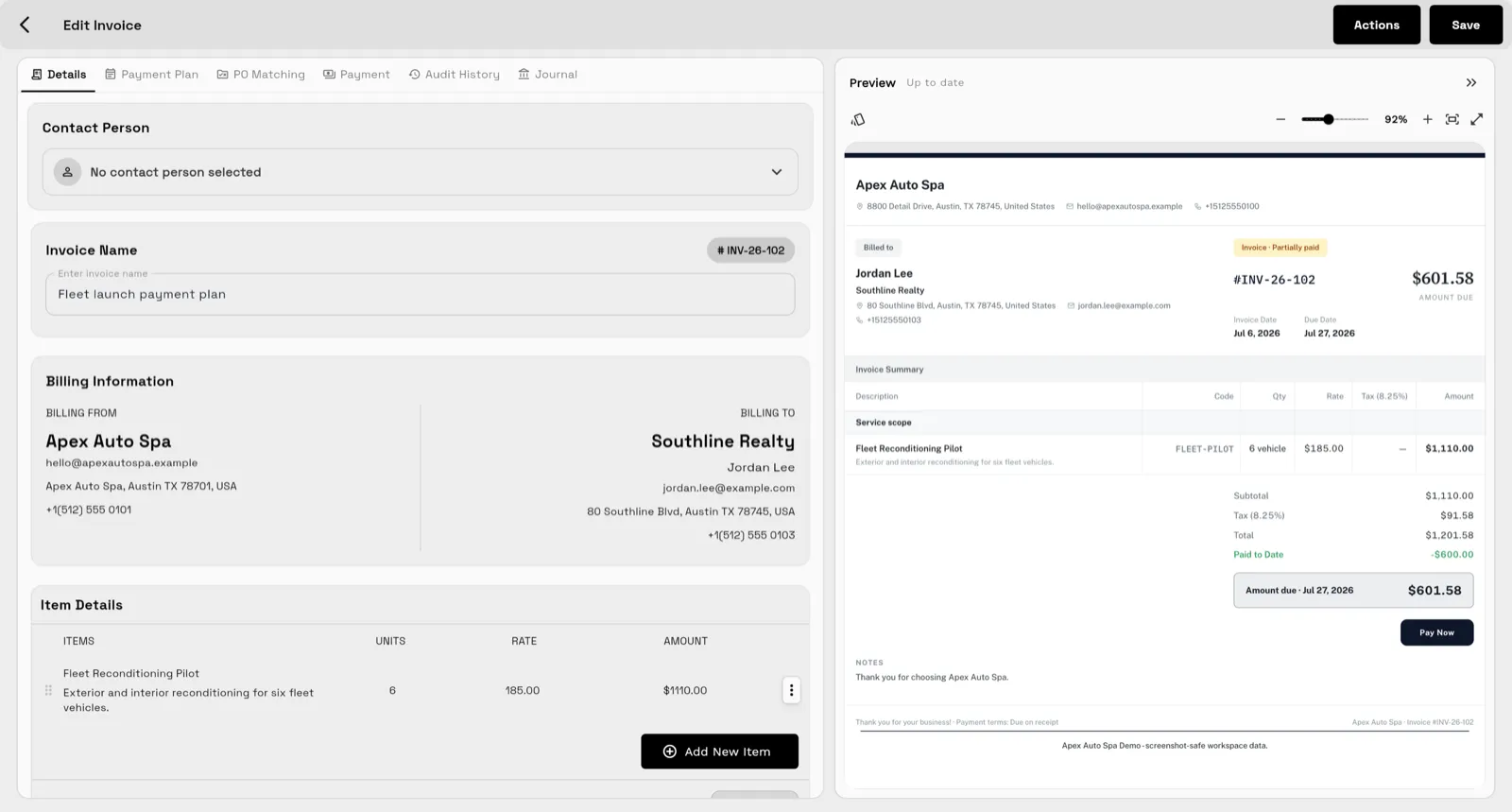
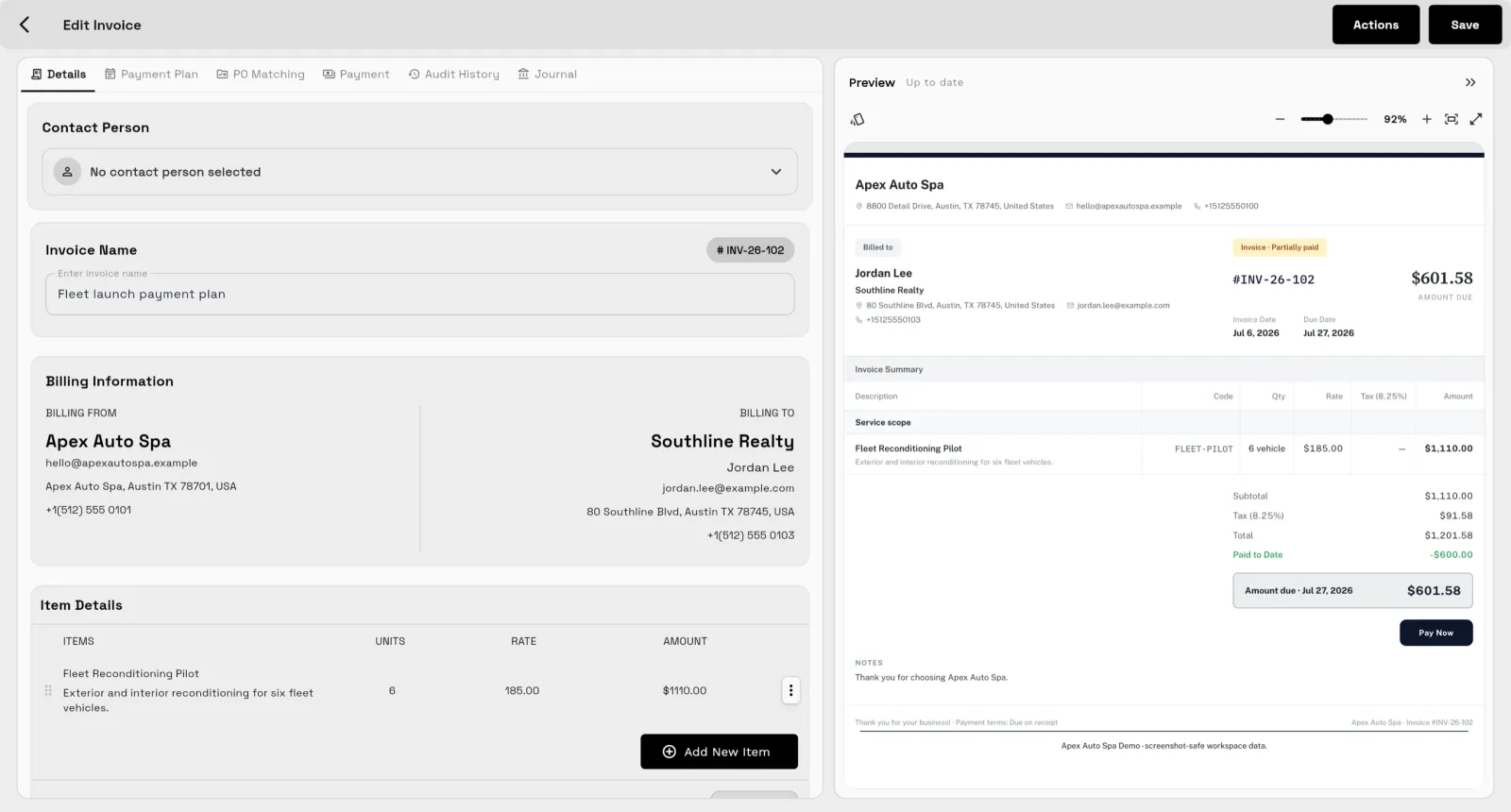
Proposals to paid invoices

Send quotes, bill milestones or retainers, and let automated reminders chase anything outstanding.

Workspace369 invoice editor showing line items, payment terms, and client details

Workflow

Step-by-step client workflow for custom orders

01

Initial client recording and scheduling

The workflow begins by creating a new entry in client records. The administrator schedules the initial technical review using the scheduling feature. During this phase, the team collects initial requirements and logs them within the client conversation history. This preserves preliminary discussions regarding custom dimensions, materials, and delivery timelines before any official production pricing or technical proposals are generated for the buyer.

02

Proposal generation and file attachment

The team uploads preliminary design sheets into files and attaches them to a new entry in Proposals. This proposal outlines the commercial scope, estimated costs, and initial manufacturing specifications. The administrator sends this proposal to the buyer. The buyer reviews, approves, and e-signs the terms through the public proposal link, so that both parties can agree on the baseline scope before any manufacturing tasks are scheduled.

03

Project setup and task delegation

Once the buyer accepts the proposal, the administrator creates a formal project. Within this project, the team defines tasks for the pre-production phase, such as verifying material availability or scheduling final engineering sign-offs. Related files and technical conversations can be anchored to this project record, giving the team visibility over the preparation steps required before manufacturing begins.

04

Handling specification revisions

In our evaluation exercise, a manufacturing buyer revises specifications after approving a custom production proposal. The administrator creates a new task within the project to handle the change request. The team updates the files with the revised blueprints and logs the change details as a record in the brief. A new conversation is initiated in the client portal to confirm the adjustments with the buyer.

05

Revised invoicing and scheduling updates

Based on the revised specifications recorded in the brief, the administrator updates the project scheduling parameters and issues an adjusted invoice using the invoices tool. The buyer reviews the updated invoice and scheduling timeline in the client portal. This final step keeps financial records aligned with the revised specification before the project moves to shop-floor systems.

Product coverage

Client operations for custom manufacturers

  • A human operator must verify that a revised technical blueprint uploaded to the files section is visible to a test buyer account within the client portal.
  • The evaluator must check that a manual record in the brief correctly lists the modified dimensions and that a new invoice can be generated from it.
  • The team must confirm that a scheduled task can be linked directly to both the active project and the historical client conversation record.
Client records
Proposals
Projects and tasks
Files
Conversations
Scheduling
Invoices
Client portal
Workflow Automations

Loved on the App Store

Rated by the people running their client work on it.

★★★★★
Finally feels calm

Bounced between three or four all-in-one tools and always ended up in a mess of tabs. This is the first one that feels calm. Set up my client projects in ten minutes.

Justin R. · Solo founder · App Store review
★★★★★
Painless team rollout

Rolled it out to our eight-person team and adoption was painless — intuitive and polished. I'd love more integrations, but they keep shipping.

Samantha D. · Operations lead · App Store review
★★★★★
Hours back every week

Was juggling separate tools for notes, tasks, docs, and updates. Consolidating into one place has genuinely saved me hours each week. Support is responsive too.

Alicia N. · Agency founder · App Store review

Get started

See Workspace369 on your own client work.

Start a free trial or talk to sales — either way, you will see the whole loop: inbox, projects, portal, and billing.

FAQ

Practical evaluation criteria for custom manufacturing orders

Where do material requirements planning and bills of materials fit?

Keep material requirements planning, bills of materials, and shop floor scheduling in your manufacturing software. Workspace369 runs the client side of each custom order: client records, proposals, files, projects, client messages, and invoices, with inventory tracking from Specialist.

Where do we document custom manufacturing specification changes after a proposal is signed?

Document specification changes as a record in the brief within the project files or conversations, with the revised details in the project description or task notes. This keeps the whole team aligned on the new requirements before updating scheduling or issuing revised invoices to the buyer.

Can buyers submit revised design files directly to our team?

Yes, buyers can use the client portal to upload revised design files and communicate changes. Once uploaded, these files are accessible to your team within the project records. Your team can then create tasks to review the changes and adjust the scheduling or invoices as required by the new specifications.

How do we track the financial impact of a mid-order specification change?

When a buyer alters specifications, update the proposal with the cost difference, then issue the revised invoice, or a credit note where the price drops. You can link this invoice to the specific project and notify the client through the client portal, to maintain clear financial tracking for the custom manufacturing job.

Ready when you are

See where Workspace369 fits into your client-work flow.

Start with the modules you need today, then turn on AI, automations, accounting, inventory, requests, and reporting as the operation grows.