CRM for etsy & handmade sellers

CRM for Etsy and handmade sellers with a specific workflow

Handmade sellers face severe administrative friction when a buyer requests a custom, off-marketplace commission. Standard storefront listings cannot manage multi-stage design feedback or custom pricing structures. Workspace369 runs these custom orders end to end: client records, proposals with e-signing, projects, design files, and invoices with deposits and online card payments, all outside the marketplace.

Clientthe relationship and agreed brief
Worktasks with a responsible person
Billinginvoices and commercial context
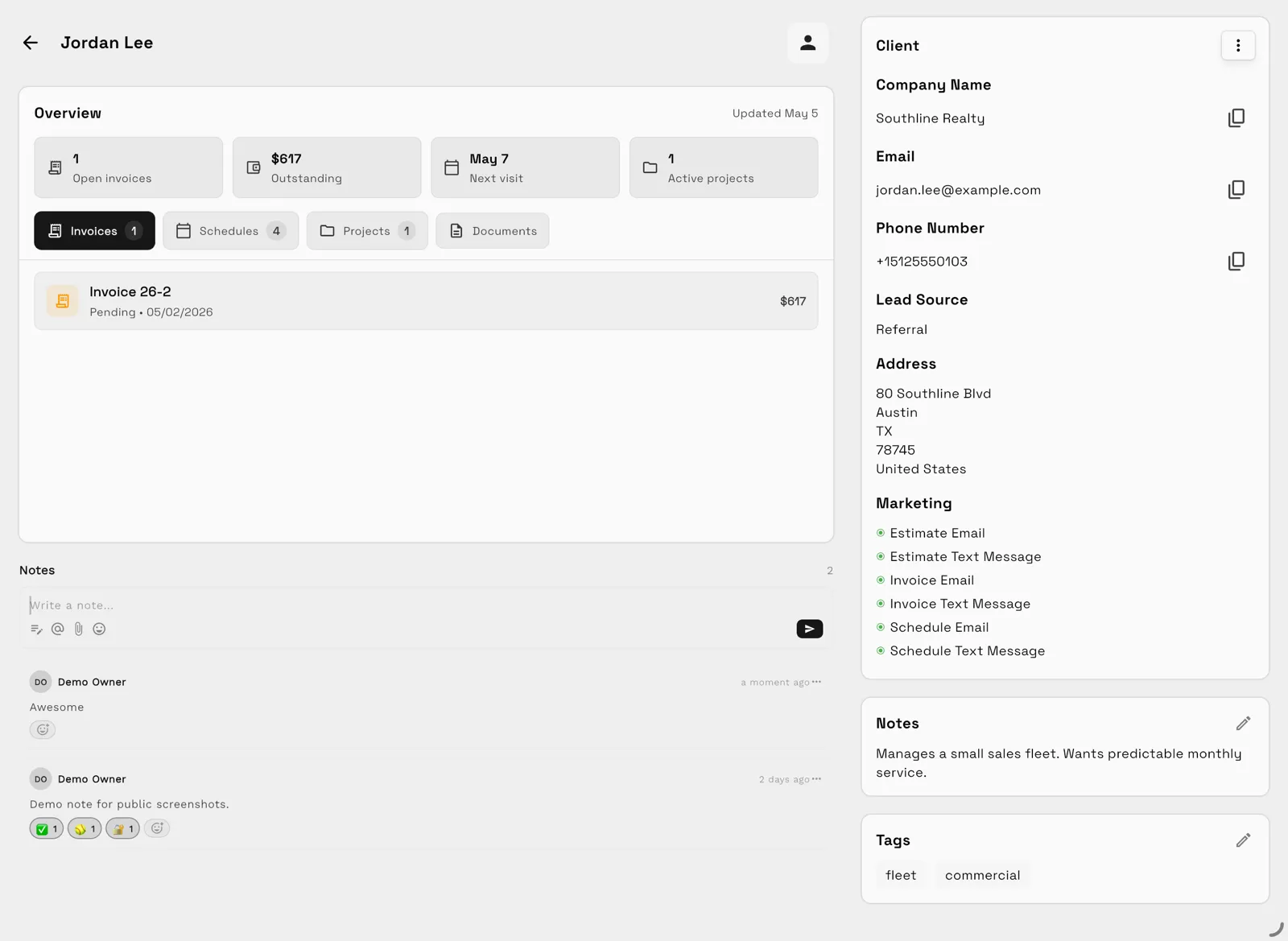
Workspace369 client record showing history, files, communication, and invoices in one profile

Key facts

CRM for etsy & handmade sellers at Workspace369 covers 9 areas, including client records, proposals, projects and tasks.

The workflow runs in 5 steps, from "client intake" to "final invoicing".

Workspace369 starts at $29/mo for 1 seat, and the Commander plan includes 20 seats, 500 GB of storage, and 120,000 AI tokens per month at $299/mo.

Additional seats cost $10 each and 100 GB of additional storage costs $15; full pricing is public on the Workspace369 pricing page.

The problem

Operational friction in bespoke handmade commissions

Custom pricing constraints

Handmade creators lack a standard mechanism to issue custom pricing for one-off artistic commissions. When a buyer requests a bespoke variation, sellers must manually draft terms. Without dedicated Proposals, artists struggle to define scope, material costs, and production timelines clearly, leading to misunderstandings regarding the final product cost before production begins on the studio floor. Workspace369 Proposals set out these terms, and the buyer approves and e-signs them before any physical work begins.
Design file clutter

Design file clutter can disrupt studio workflows. Bespoke commissions require multiple iterations of design sketches, material options, and references. Storing these assets across disparate text threads or email accounts causes lost specifications. Without organized client records and dedicated files attached directly to the specific project, creators risk using incorrect dimensions or materials during the physical fabrication phase of the custom item.

Communication fragmentation

Communication fragmentation creates administrative overhead. Conversations regarding custom adjustments often happen across multiple channels, including social media messages and marketplace inquiries. When these details are not recorded in the brief, the artist loses track of specific customer requests. This fragmentation makes it difficult to verify agreed-upon changes before the final invoice is issued to the buyer for payment.

Milestone tracking deficits

Milestone tracking deficits can delay delivery. Handmade commissions involve distinct production stages like sourcing raw materials, initial assembly, and final finishing. Standard e-commerce tools do not track internal tasks or scheduling for multi-week builds. Without clear internal milestones, creators cannot accurately update clients or manage their studio time effectively, causing unexpected delays in order fulfillment schedules for buyers.

The product

See the workspace your clients feel.

01

A portal clients actually check

Clients watch progress, files, and invoices in a branded portal instead of asking your team for updates.

Workspace369 client record showing history, files, communication, and invoices in one profile
02

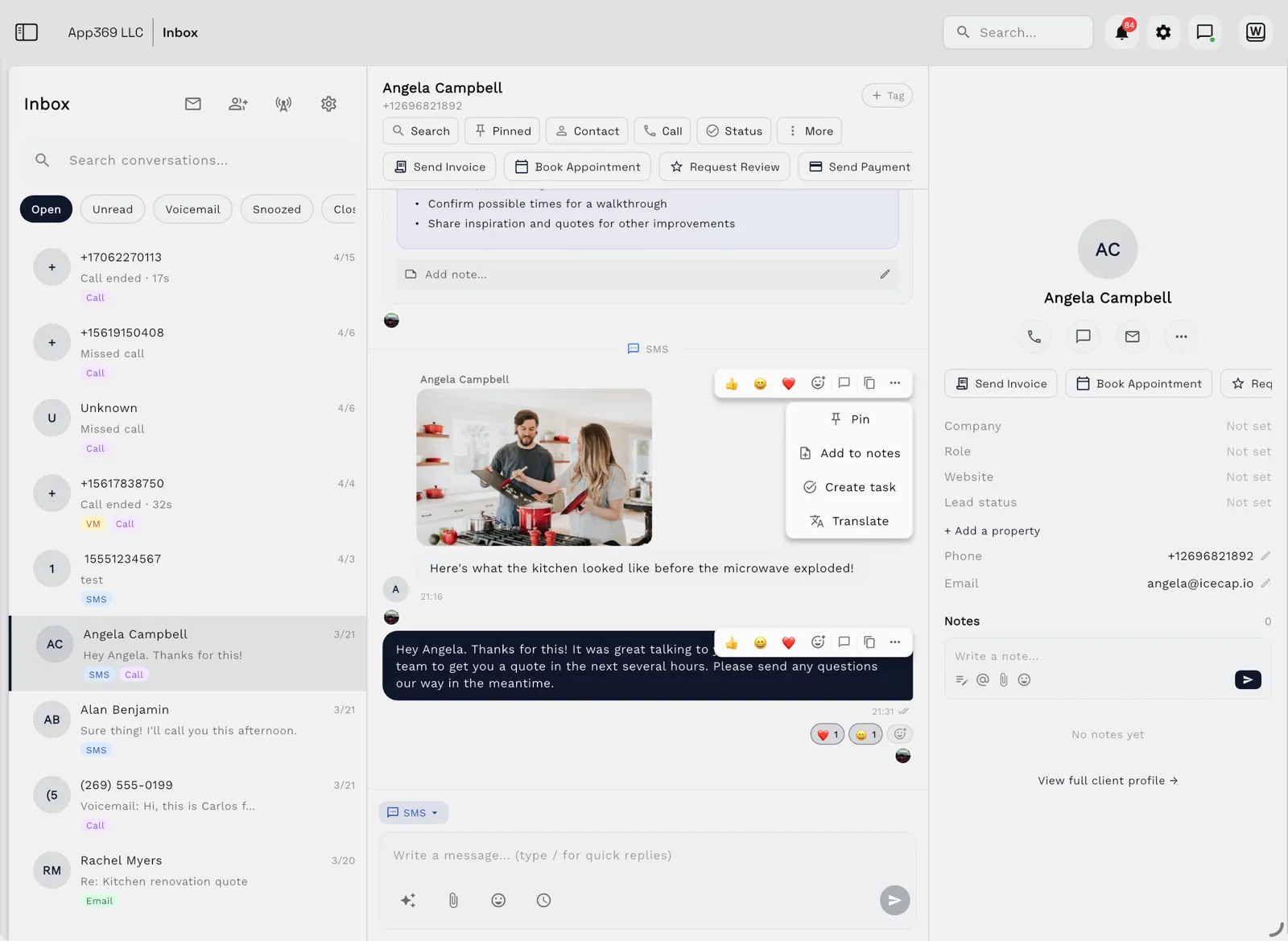
Every channel in one inbox

Email, SMS, calls, and voicemail land beside the client record — with AI summaries, so anyone on the team can reply with full context.

Workspace369 shared inbox showing email, SMS, and call history beside a client record
03

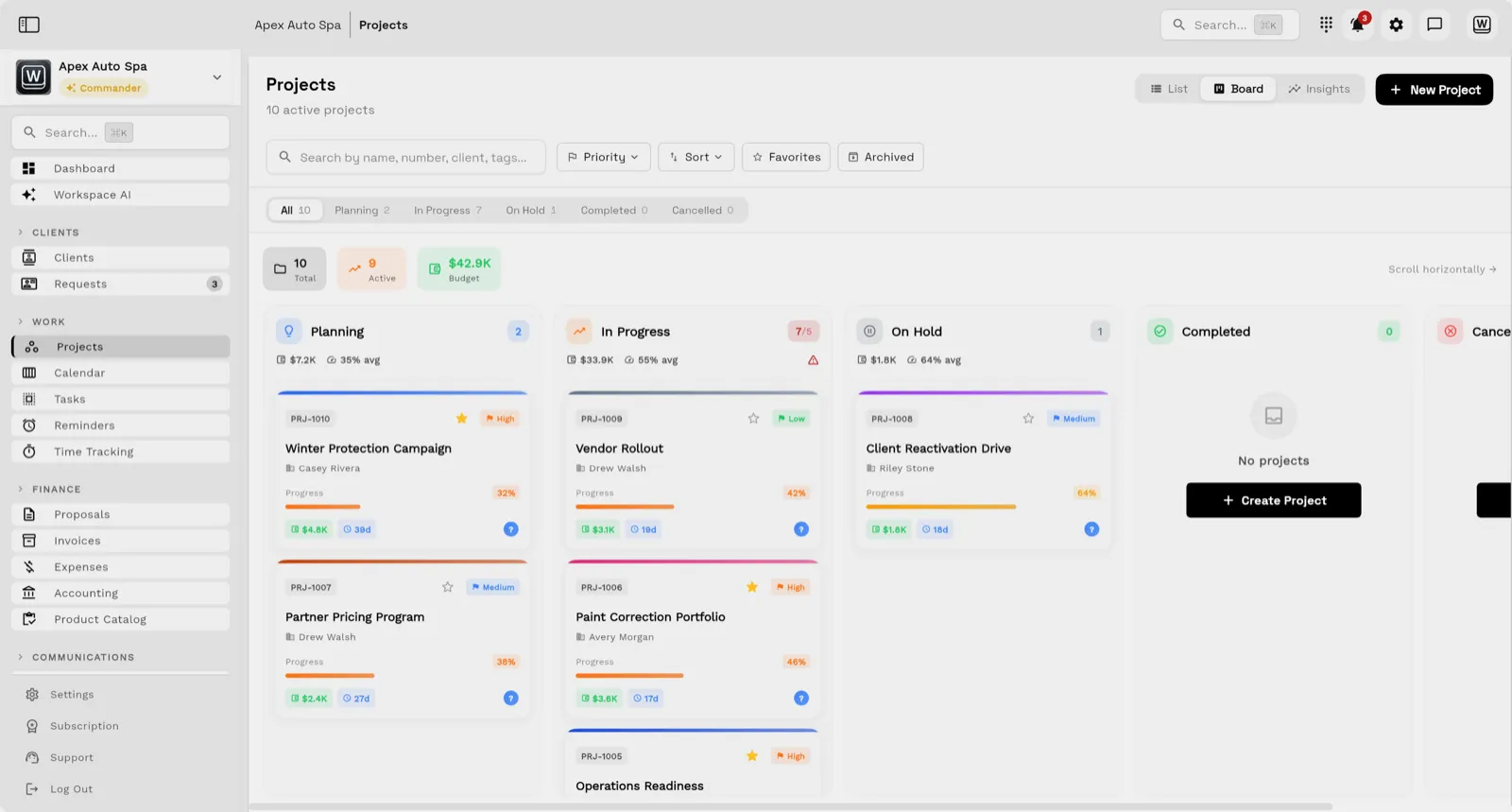
Client work, organized as projects

Tasks, files, and status for every engagement — visible to the team and, through the client portal, to the client.

Workspace369 project board showing client work organized into stages with owners and status
04

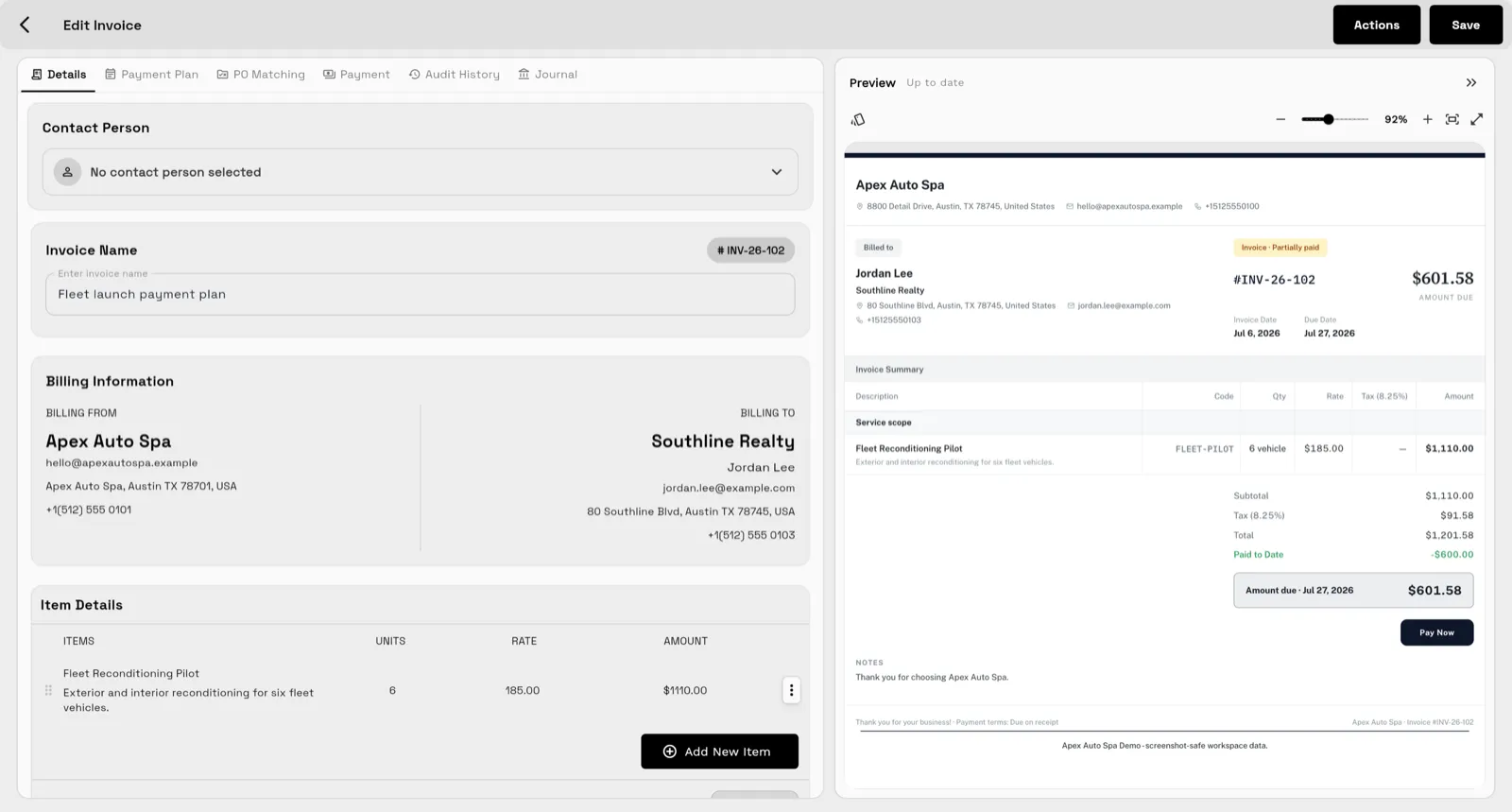
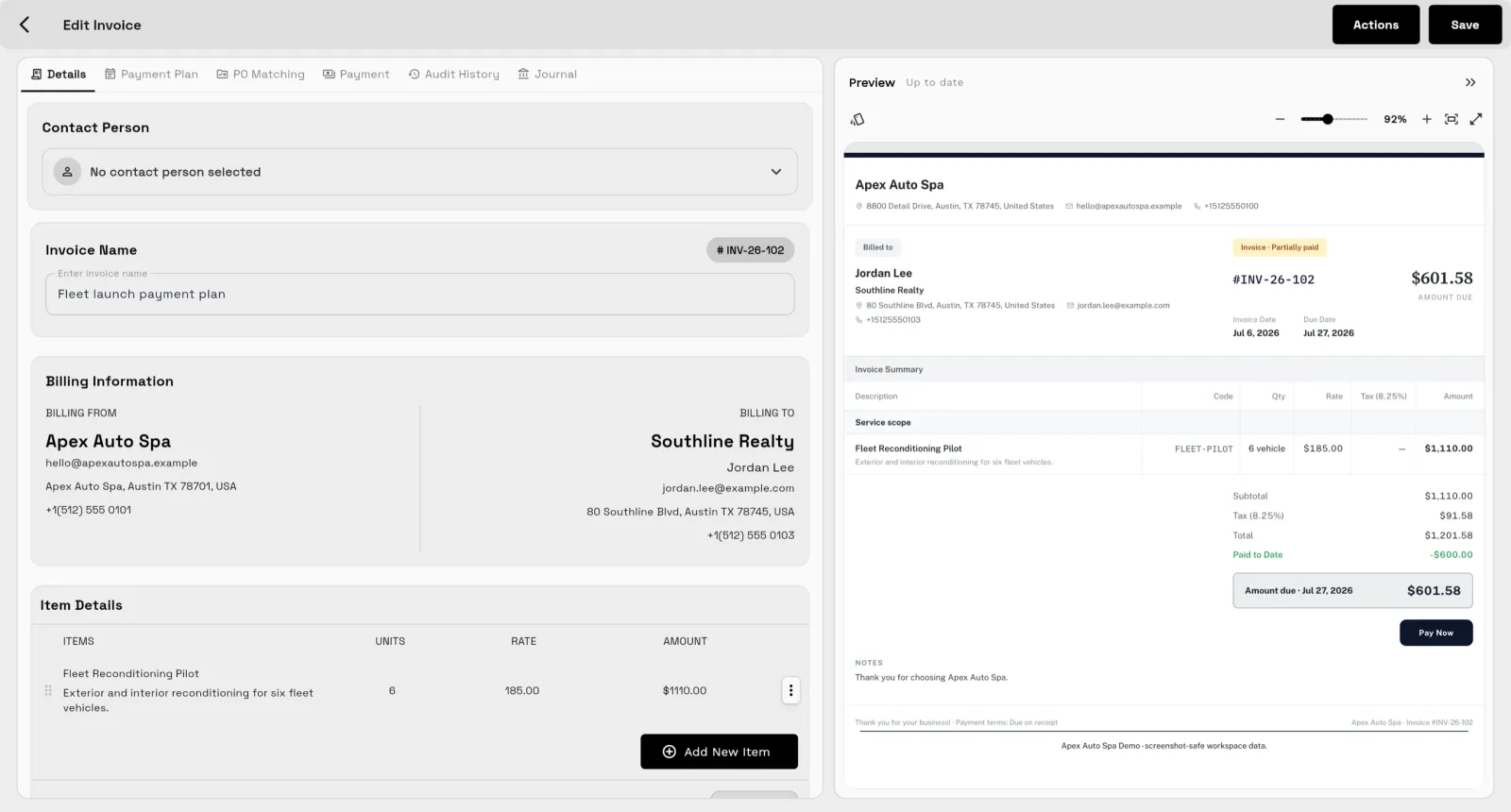
Proposals to paid invoices

Send quotes, bill milestones or retainers, and let automated reminders chase anything outstanding.

Workspace369 invoice editor showing line items, payment terms, and client details

Workflow

Step-by-step workflow for custom handmade orders

01

Client Intake

The handmade seller initiates the process by creating a new entry in client records when a bespoke commission request arrives. The artist records in the brief all initial dimensions, material preferences, and delivery requests. This ensures that the foundational scope is fully documented before any design work or material procurement occurs in the studio for the customer.

02

Proposal Drafting

The artist drafts formal Proposals within the system to outline the estimated material costs, labor hours, and production timeline. This proposal goes to the client for approval and e-signature, securing explicit agreement on the scope. The document serves as the official baseline for the custom build, defining what will be created before invoicing or material allocation begins.

03

Project Setup

Once the proposal is accepted, the seller converts the agreement into active projects and sets up internal tasks for each fabrication stage. The creator uploads initial sketches and reference photos into the files section. This structures the physical production workflow, separating sourcing, crafting, and quality inspection into distinct steps that the studio follows.

04

Client Collaboration

The artist utilizes conversations to share progress updates and coordinates timelines for client reviews. The buyer accesses the client portal to view uploaded project files and confirm design choices. This keeps feedback organized within a single client record, avoiding scattered messages across marketplace channels during production.

05

Final Invoicing

Upon completing the physical item, the seller generates detailed invoices based on the agreed terms and any recorded modifications. The client pays the final invoice online by card or payment link. After payment verification, the project is marked complete, and shipping details are archived for future reference.

Product coverage

Client operations for etsy & handmade sellers

  • A human operator must verify that client records accurately capture custom material specifications and dimensions recorded in the brief prior to issuing any custom proposals.
  • A human operator must confirm that the client portal displays the correct project files and that conversations can be sent without marketplace infrastructure involvement.
  • A human operator must check that final invoices match the accepted proposal terms and any subsequent task adjustments documented during the physical fabrication process.
Client records
Proposals
Projects and tasks
Files
Conversations
Scheduling
Invoices
Client portal
Workflow Automations

Loved on the App Store

Rated by the people running their client work on it.

★★★★★
Finally feels calm

Bounced between three or four all-in-one tools and always ended up in a mess of tabs. This is the first one that feels calm. Set up my client projects in ten minutes.

Justin R. · Solo founder · App Store review
★★★★★
Painless team rollout

Rolled it out to our eight-person team and adoption was painless — intuitive and polished. I'd love more integrations, but they keep shipping.

Samantha D. · Operations lead · App Store review
★★★★★
Hours back every week

Was juggling separate tools for notes, tasks, docs, and updates. Consolidating into one place has genuinely saved me hours each week. Support is responsive too.

Alicia N. · Agency founder · App Store review

Get started

See Workspace369 on your own client work.

Start a free trial or talk to sales — either way, you will see the whole loop: inbox, projects, portal, and billing.

FAQ

Evaluation criteria for handmade commission tracking

Can Workspace369 sync directly with my Etsy storefront inventory?

Workspace369 connects to other systems through webhooks and its API from Specialist. Map the events and fields you need, set permissions and test failure handling with sample records before you rely on the sync.

How do I manage client design feedback for custom items?

You can upload design sketches directly to the files section of the project. The client can then review these files via the client portal. All feedback and adjustments should be handled through internal conversations, ensuring that an operator can verify and record requested modifications before proceeding with the physical build.

Where does shipping label printing fit?

Print labels and book shipping in your marketplace or carrier tools. Workspace369 runs the commission itself, from client records and proposals to project tasks, design files, and invoices, and the project closes once the parcel ships.

What should I do if a custom order scope changes mid-build?

When a client requests changes, an operator should log the new details by making a record in the brief. You can then update the tasks within the project and adjust the final invoices to reflect the updated scope before requesting payment from the buyer.

Ready when you are

See where Workspace369 fits into your client-work flow.

Start with the modules you need today, then turn on AI, automations, accounting, inventory, requests, and reporting as the operation grows.