CRM for home stagers

CRM for Home Stagers Managing Mid Project Scope Changes

Home stagers frequently encounter real estate agents or homeowners who modify installation timelines or add rooms after signing an initial agreement. Workspace369 lets you update client records, issue revised Proposals, adjust project tasks, and issue final invoices from one place. Every scope change stays on the project record, and from Specialist, inventory tracking keeps your furniture stock in the same system.

Clientthe relationship and agreed brief
Worktasks with a responsible person
Billinginvoices and commercial context
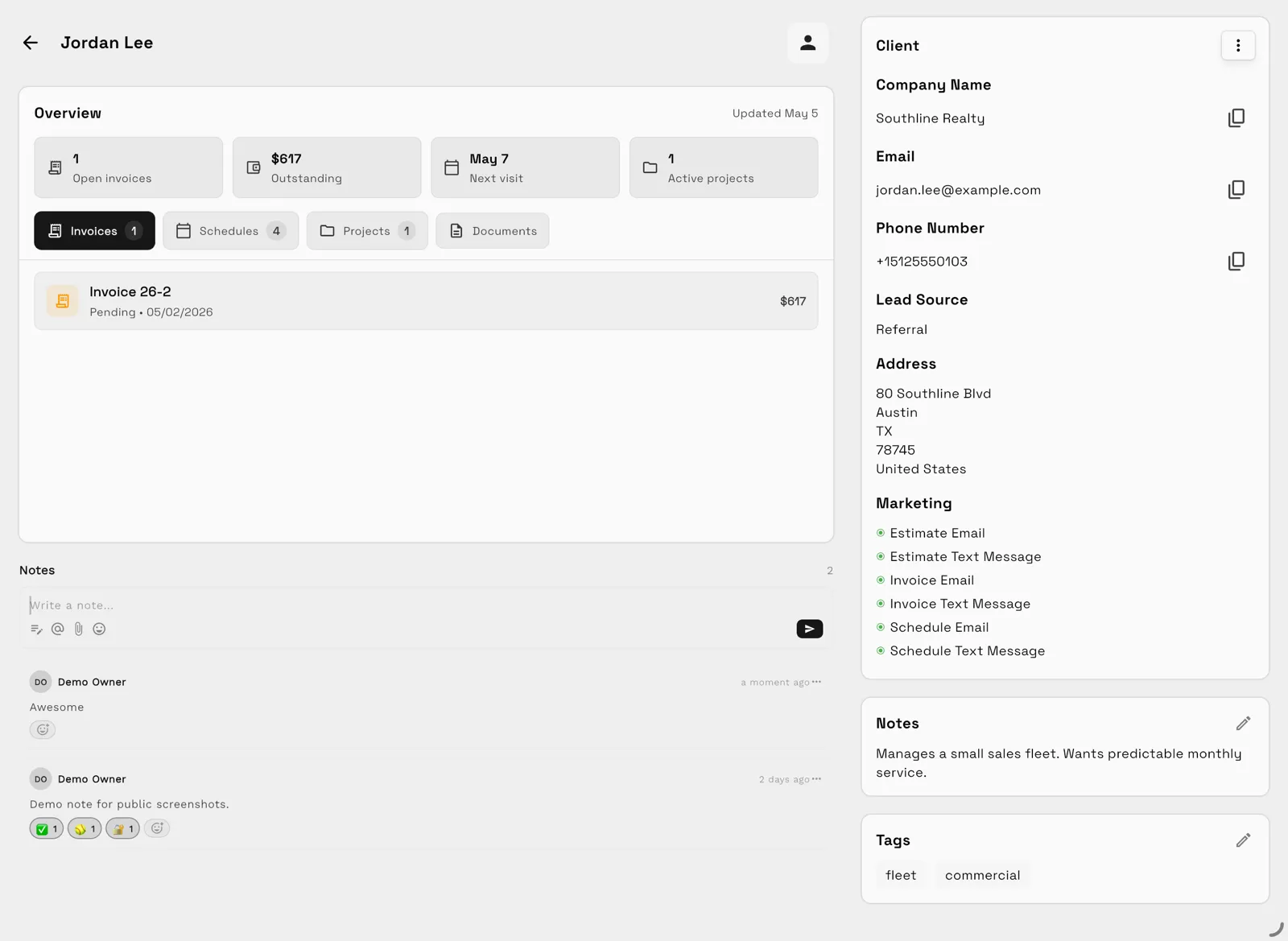
Workspace369 client record showing history, files, communication, and invoices in one profile

Key facts

CRM for home stagers at Workspace369 covers 9 areas, including client records, proposals, projects and tasks.

The workflow runs in 5 steps, from "initiating client records" to "issuing final invoices".

Workspace369 starts at $29/mo for 1 seat, and the Commander plan includes 20 seats, 500 GB of storage, and 120,000 AI tokens per month at $299/mo.

Additional seats cost $10 each and 100 GB of additional storage costs $15; full pricing is public on the Workspace369 pricing page.

The problem

Administrative Friction in Staging Projects

Unrecorded Scope Modifications

When a real estate client requests an extra living area or bedroom staging via phone, the verbal change often misses the project file. Without updating client records immediately, team members rely on outdated files during setup. Workspace369 allows coordinators to log these conversations directly into client records, ensuring the project record matches the new verbal agreement before team members begin scheduling transport.
Misaligned Installation Schedules

Delayed open houses force home stagers to shift installation dates rapidly. If scheduling changes are not manually adjusted within active projects, staging crews arrive at properties that are still undergoing painting or cleaning. You can update calendar events and assign new tasks to coordinators, so the project timeline reflects the actual property readiness.

Outdated Client Proposals

Accepting a staging proposal binds the initial room count, but subsequent additions require manual revisions. If a stager fails to issue revised Proposals, the final invoices will conflict with the original agreement. Home stagers draft a revised proposal in Workspace369 for the added rooms, and the property owner approves and e-signs the updated terms online.

Invoicing Discrepancies

Staging projects that change scope mid way often suffer from delayed billing because the final invoices do not match the actual rooms staged. When scope increases, the billing details must change with it. Workspace369 converts the revised proposal into an invoice alongside your project records, so line items match the revised project tasks before the final bill goes to the client.

The product

See the workspace your clients feel.

01

A portal clients actually check

Clients watch progress, files, and invoices in a branded portal instead of asking your team for updates.

Workspace369 client record showing history, files, communication, and invoices in one profile
02

Every channel in one inbox

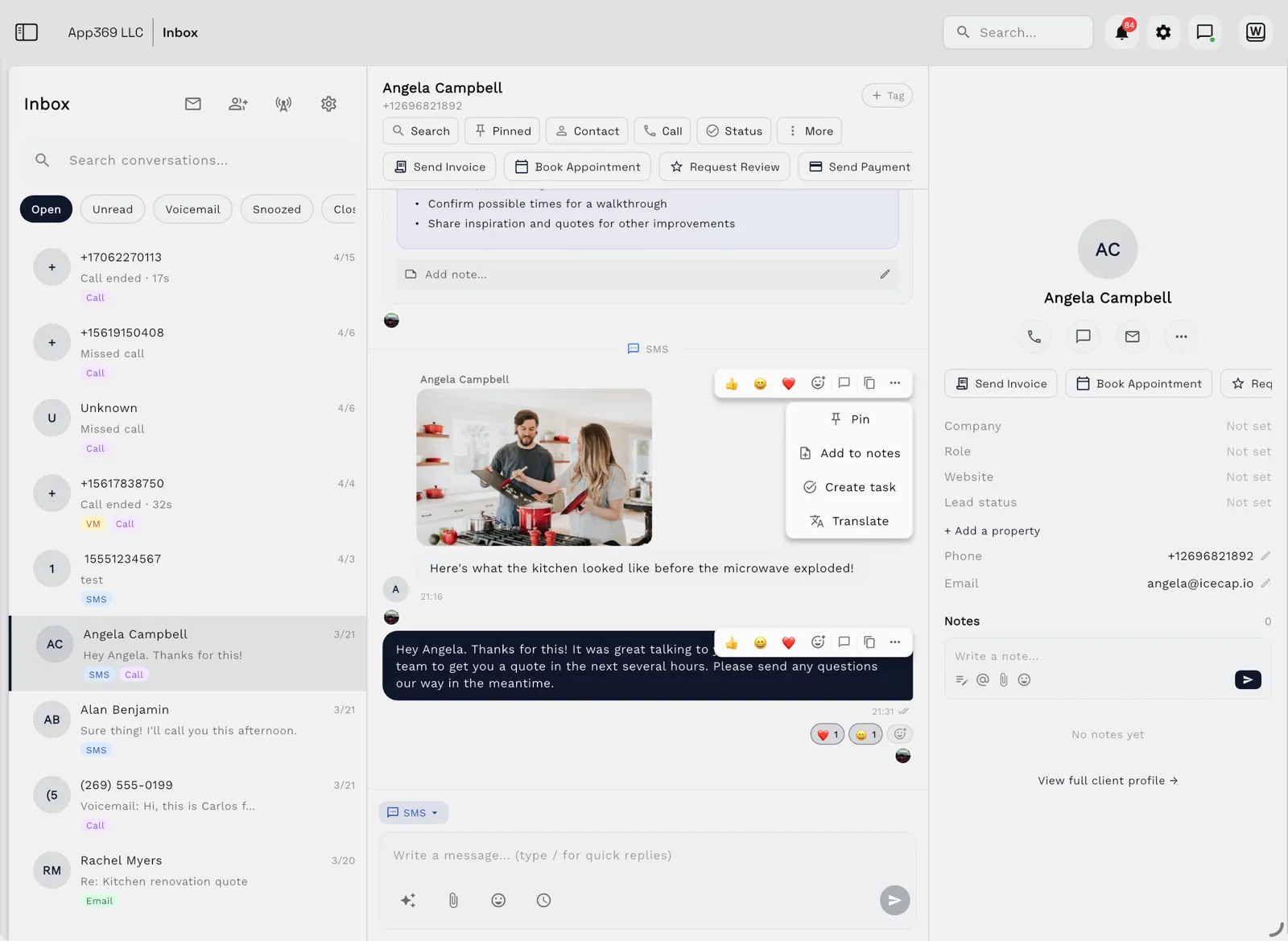
Email, SMS, calls, and voicemail land beside the client record — with AI summaries, so anyone on the team can reply with full context.

Workspace369 shared inbox showing email, SMS, and call history beside a client record
03

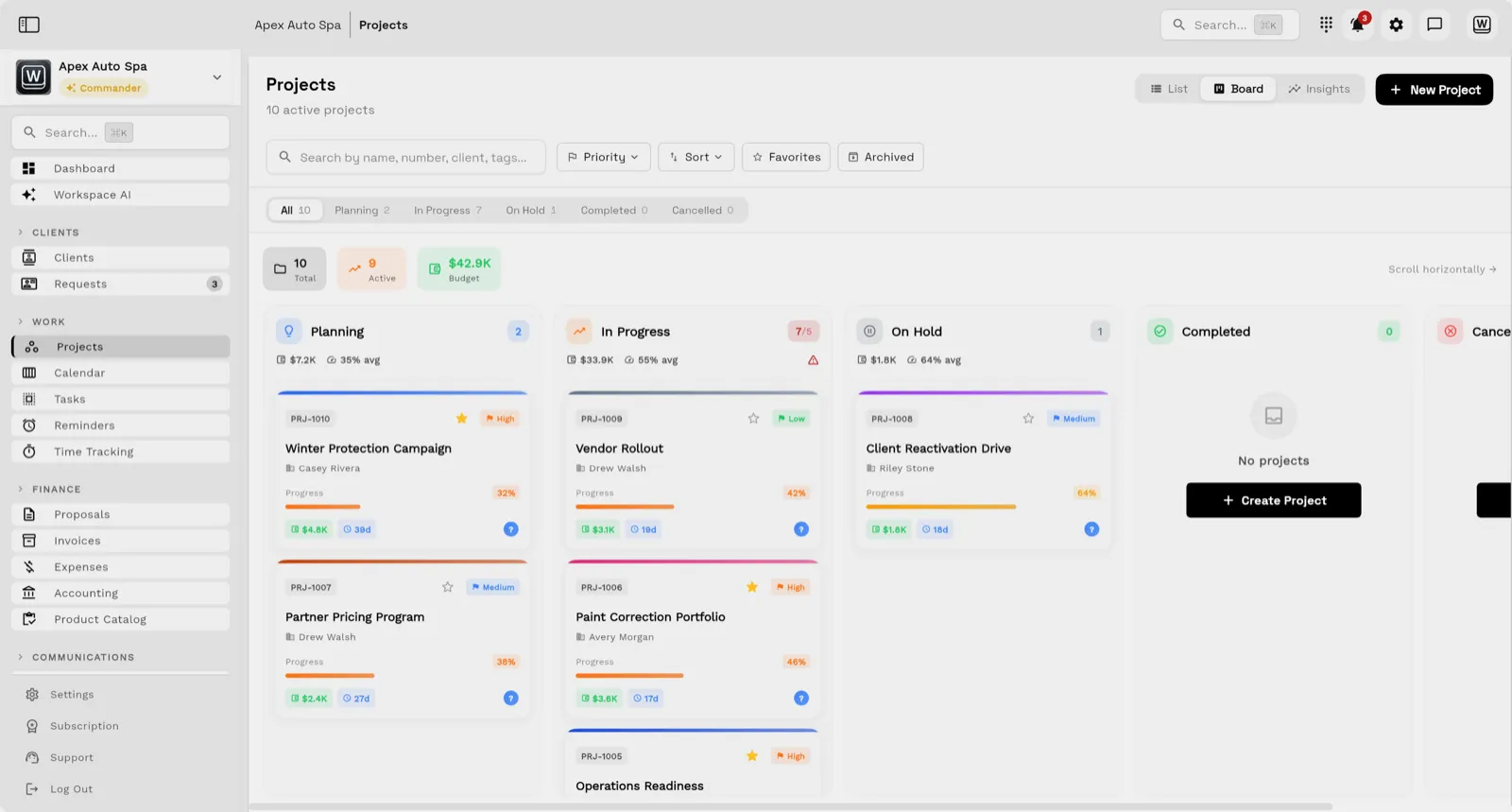
Client work, organized as projects

Tasks, files, and status for every engagement — visible to the team and, through the client portal, to the client.

Workspace369 project board showing client work organized into stages with owners and status
04

Proposals to paid invoices

Send quotes, bill milestones or retainers, and let automated reminders chase anything outstanding.

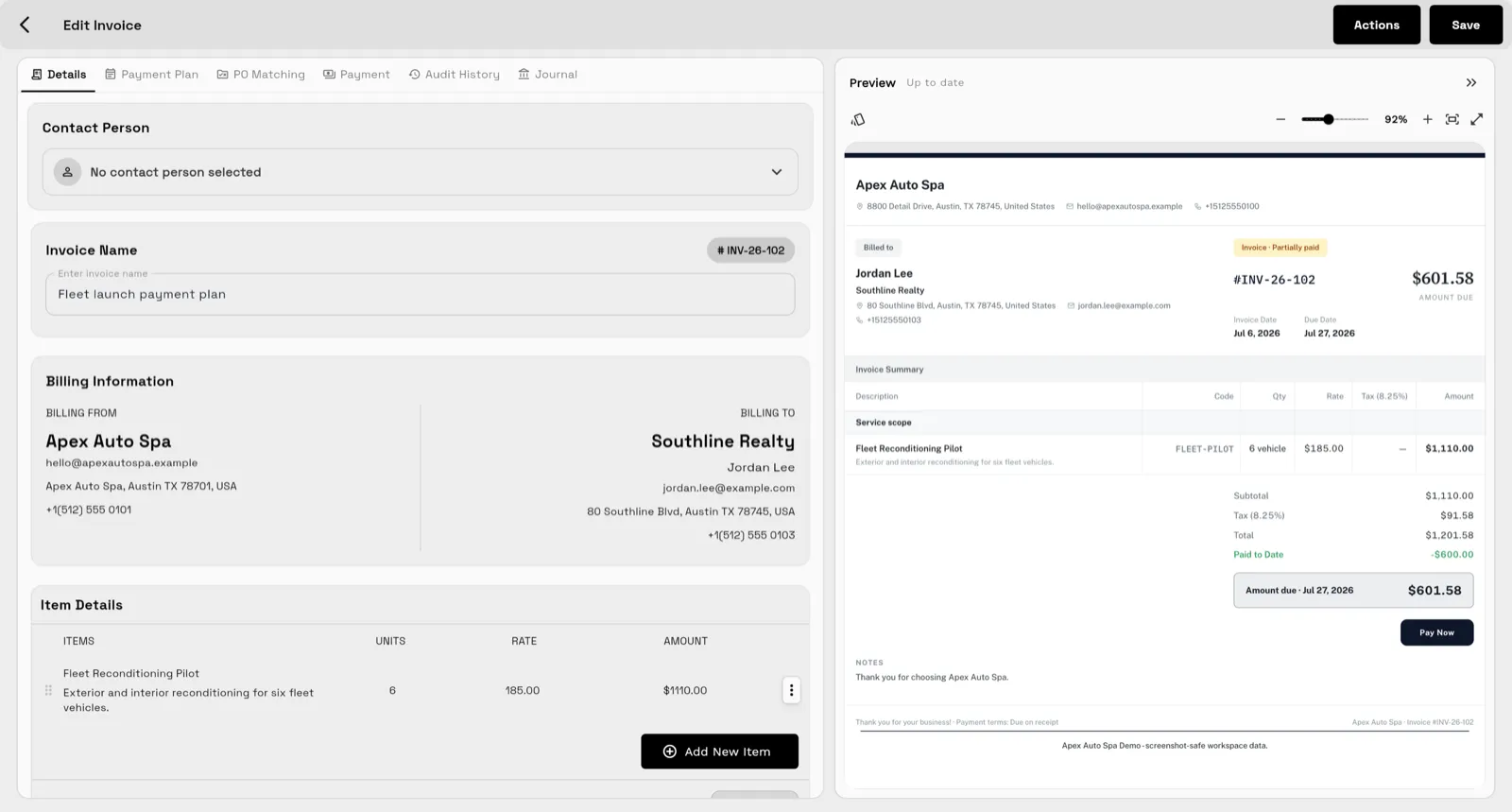
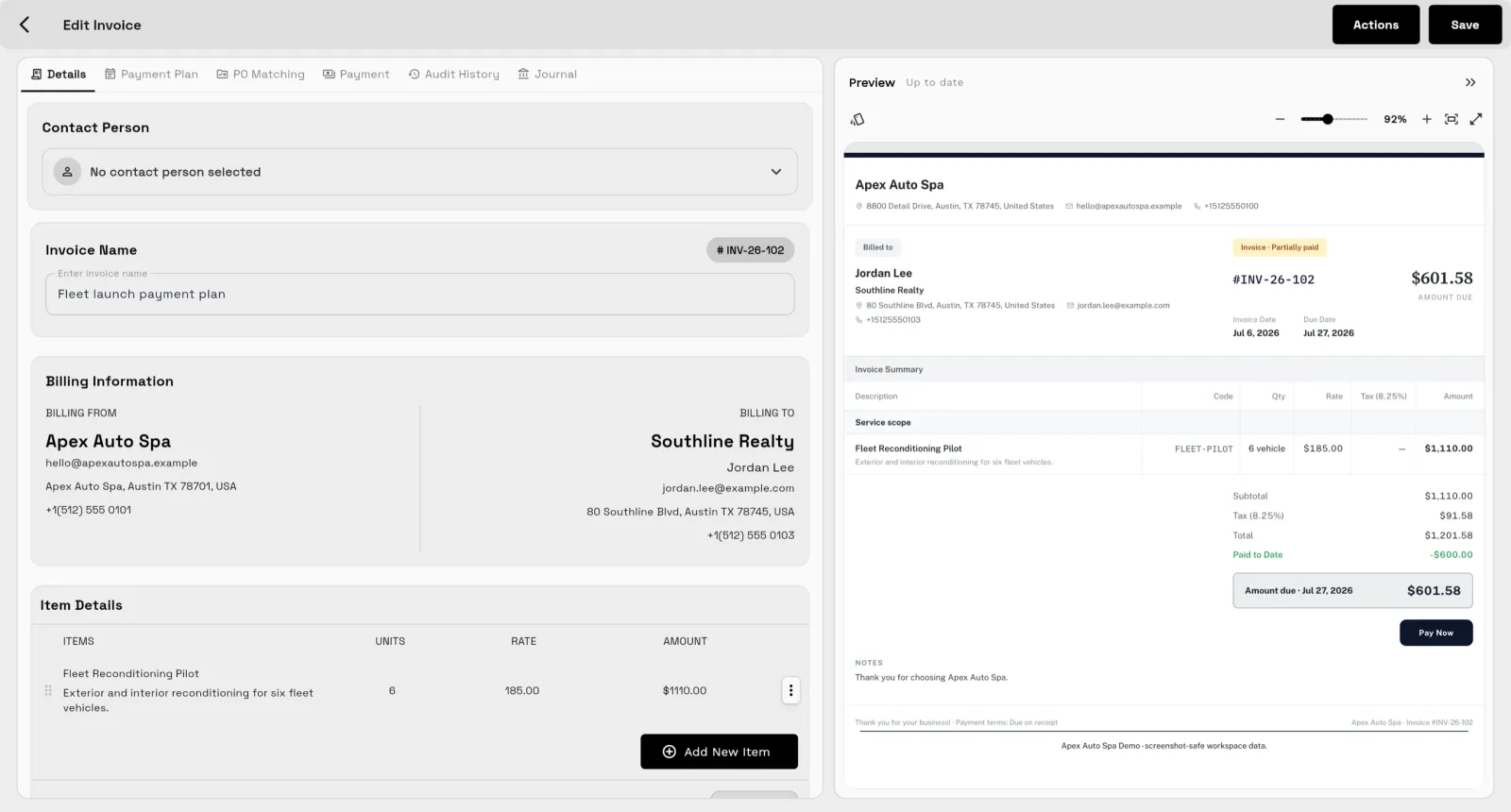
Workspace369 invoice editor showing line items, payment terms, and client details

Workflow

The Staging Project Workflow

01

Initiating Client Records

Begin by entering the real estate agent or property owner details into client records. Record the property address, target list date, and initial room requirements directly in the brief. This profile serves as the baseline for all future conversations, files, and scheduling items, ensuring that anyone reviewing the project history can see the original property parameters before any subsequent scope changes occur.

02

Drafting Initial Proposals

Create detailed Proposals listing the specific rooms to be staged, such as the primary living room, dining area, and main bedroom. Upload property layout files directly to the proposal record. Once drafted, send the proposal to the client for approval and e-signature, providing a clear record of the initial scope and agreed pricing structure before any physical furniture is allocated or scheduled.

03

Setting Up Project Tasks

Convert the accepted proposal into an active project. Build a list of tasks for property preparation, staging design, and final breakdown. Assign specific tasks to your team and set up scheduling dates for the initial installation. This step establishes the operational timeline within the system, linking all subsequent conversations directly to the specific real estate property project.

04

Modifying Scope and Scheduling

When a client requests a date change and adds an extra room, the coordinator updates the client records and logs the conversation details. Adjust the scheduling calendar to reflect the new installation date. Draft revised Proposals reflecting the extra room scope and update the project tasks to include the additional staging setup, ensuring all project files remain accurate.

05

Issuing Final Invoices

After completing the physical staging installation, review the updated project tasks and files to confirm the final scope. Generate invoices that accurately reflect the revised proposal line items, including any additional room fees. Send the invoices directly through the system, ensuring the client portal reflects the completed transaction and the financial records match the adjustments made during the project.

Product coverage

Client operations for home stagers

  • A tester can change an installation date on the calendar and see the updated date in the client portal view.
  • The revised proposal accurately displays the added room scope line items alongside the original staging parameters within the active project files.
  • Final invoices match the updated project tasks exactly, and the invoice document appears within the client records.
Client records
Proposals
Projects and tasks
Files
Conversations
Scheduling
Invoices
Client portal
Workflow Automations

Loved on the App Store

Rated by the people running their client work on it.

★★★★★
Finally feels calm

Bounced between three or four all-in-one tools and always ended up in a mess of tabs. This is the first one that feels calm. Set up my client projects in ten minutes.

Justin R. · Solo founder · App Store review
★★★★★
Painless team rollout

Rolled it out to our eight-person team and adoption was painless — intuitive and polished. I'd love more integrations, but they keep shipping.

Samantha D. · Operations lead · App Store review
★★★★★
Hours back every week

Was juggling separate tools for notes, tasks, docs, and updates. Consolidating into one place has genuinely saved me hours each week. Support is responsive too.

Alicia N. · Agency founder · App Store review

Get started

See Workspace369 on your own client work.

Start a free trial or talk to sales — either way, you will see the whole loop: inbox, projects, portal, and billing.

FAQ

Verification Criteria for Scope Changes

Can Workspace369 track our physical furniture inventory levels?

Workspace369 includes inventory tracking, stock adjustments and low-stock alerts from Specialist. Set up your real product units and test allocation and adjustments with sample stock; connect a warehouse or storefront through webhooks and the API.

How do we handle a sudden change in staging dates?

Open the relevant staging project in Workspace369 and move the installation date on the calendar. Then add a note in conversations and update the project tasks, and a workflow automation can send the team an internal notification about the timeline shift.

Can clients view their revised staging proposals independently?

Yes. When you update Proposals to reflect a change in room scope, you can make the new document available within the client portal. Real estate agents or property owners can log into the portal to review the revised terms, project tasks, and scheduling dates that you have published.

Does the system automatically assign tasks to staging crews?

Workflow Automations can create tasks, send email or SMS, issue reminders and notify team members using supported triggers, conditions and timed waits. Email automations start at Cadet and SMS steps at Voyager; AI-drafted workflows start at Commander. Test the required event, owner and review step before enabling the workflow. Call triggers require a plan with voice. Simulated test runs and execution logs show exactly what the workflow will do with a sample staging project.

Ready when you are

See where Workspace369 fits into your client-work flow.

Start with the modules you need today, then turn on AI, automations, accounting, inventory, requests, and reporting as the operation grows.