CRM for performance marketing agencies

CRM for Performance Marketing Agencies with Fee and Reporting Workflows

Performance marketing agencies encounter administrative friction when variable retainers require manual verification. When an outcome-linked fee component is disputed during a reporting review, your team needs a clear operational record rather than an analytics engine. Workspace369 keeps client records, proposals, conversations and invoices for each account in one place. Teams track client agreements and communications there, while ad attribution stays in your analytics tools. By maintaining clear documentation of original contract terms and billing schedules, account managers can address client inquiries with verified data, ensuring that billing and client workflows remain organized and transparent throughout the lifecycle of the performance marketing retainer.

Clientthe relationship and agreed brief
Worktasks with a responsible person
Billinginvoices and commercial context
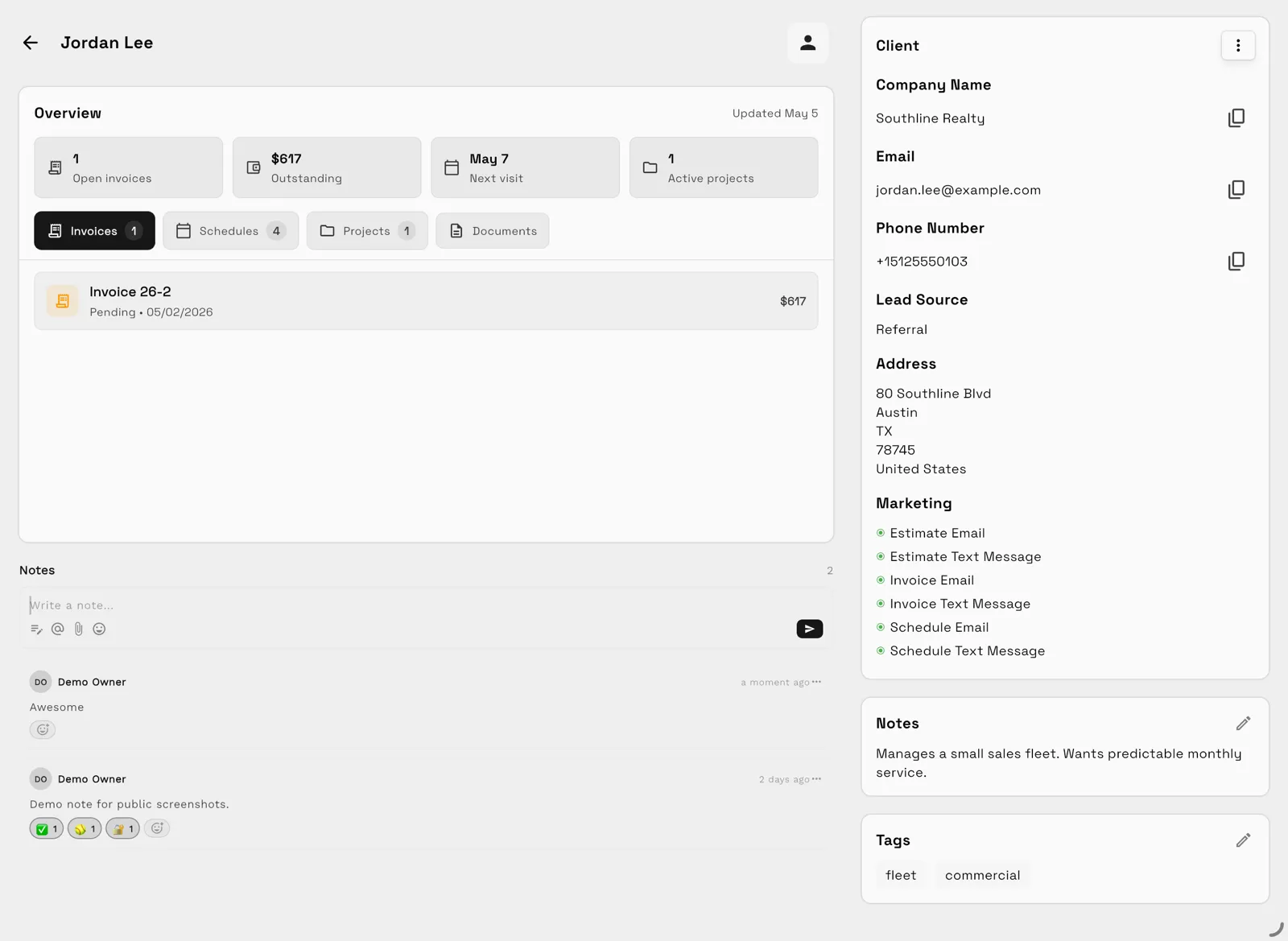
Workspace369 client record showing history, files, communication, and invoices in one profile

Key facts

CRM for performance marketing agencies at Workspace369 covers 9 areas, including client records, proposals, projects and tasks.

The workflow runs in 5 steps, from "establish client records and proposals" to "generate and review invoices".

Workspace369 starts at $29/mo for 1 seat, and the Commander plan includes 20 seats, 500 GB of storage, and 120,000 AI tokens per month at $299/mo.

Additional seats cost $10 each and 100 GB of additional storage costs $15; full pricing is public on the Workspace369 pricing page.

The problem

Operational friction in performance marketing retainers

Disputed Performance Metrics

When a client disputes an outcome-linked fee during a reporting review, account managers lack a definitive record of client communications. Disagreements over variable retainer tiers disrupt billing cycles. Without a record of the original proposal terms and associated files, teams cannot verify what parameters were agreed upon, leading to delayed invoices and strained client relationships during monthly performance evaluations.
Scattered Retainer Documentation

Performance marketing agencies often store signed proposals in one location and project tasks in another. When fixed fees and variable components are managed across separate systems, verifying the scope of work becomes difficult. This fragmentation forces account executives to search through disconnected files and past conversations to find specific retainer clauses before generating monthly client invoices.

Misaligned Client Expectations

Clients frequently question the status of ongoing advertising campaigns and task assignments. Without a dedicated client portal, agency teams spend excessive time answering scheduling queries and status requests via email. This lack of clear visibility into active projects and tasks causes communication gaps, particularly when outcome-linked milestones are approaching or undergoing formal review.

Disconnected Invoice Tracking

Linking completed project tasks to final invoices is difficult when billing data is isolated from project management. When variable performance retainers require adjustments based on external campaign outcomes, manual invoice creation is prone to errors. Teams struggle to align historical client records and past conversations with the specific line items on a disputed invoice.

The product

See the workspace your clients feel.

01

A portal clients actually check

Clients watch progress, files, and invoices in a branded portal instead of asking your team for updates.

Workspace369 client record showing history, files, communication, and invoices in one profile
02

Every channel in one inbox

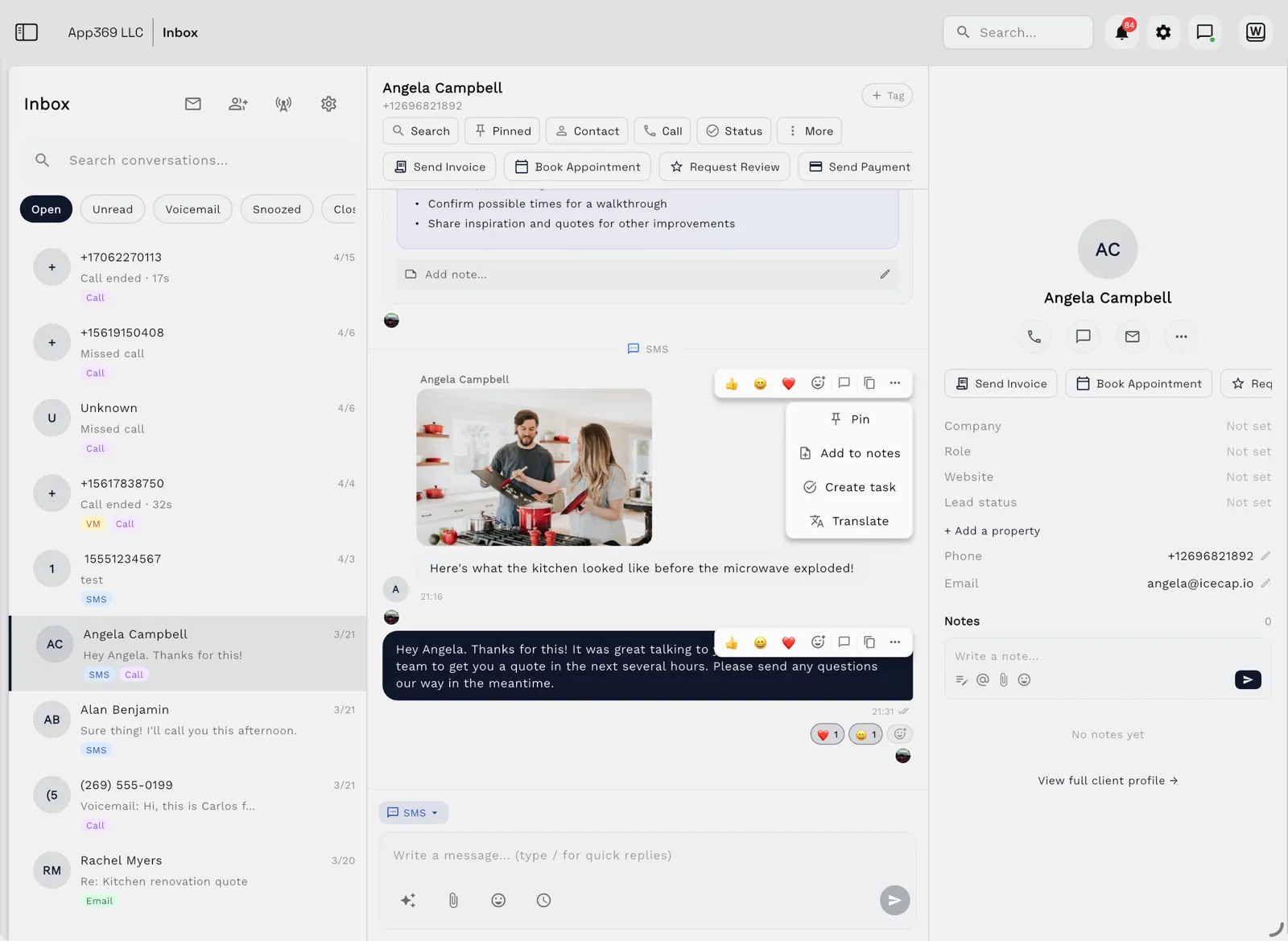
Email, SMS, calls, and voicemail land beside the client record — with AI summaries, so anyone on the team can reply with full context.

Workspace369 shared inbox showing email, SMS, and call history beside a client record
03

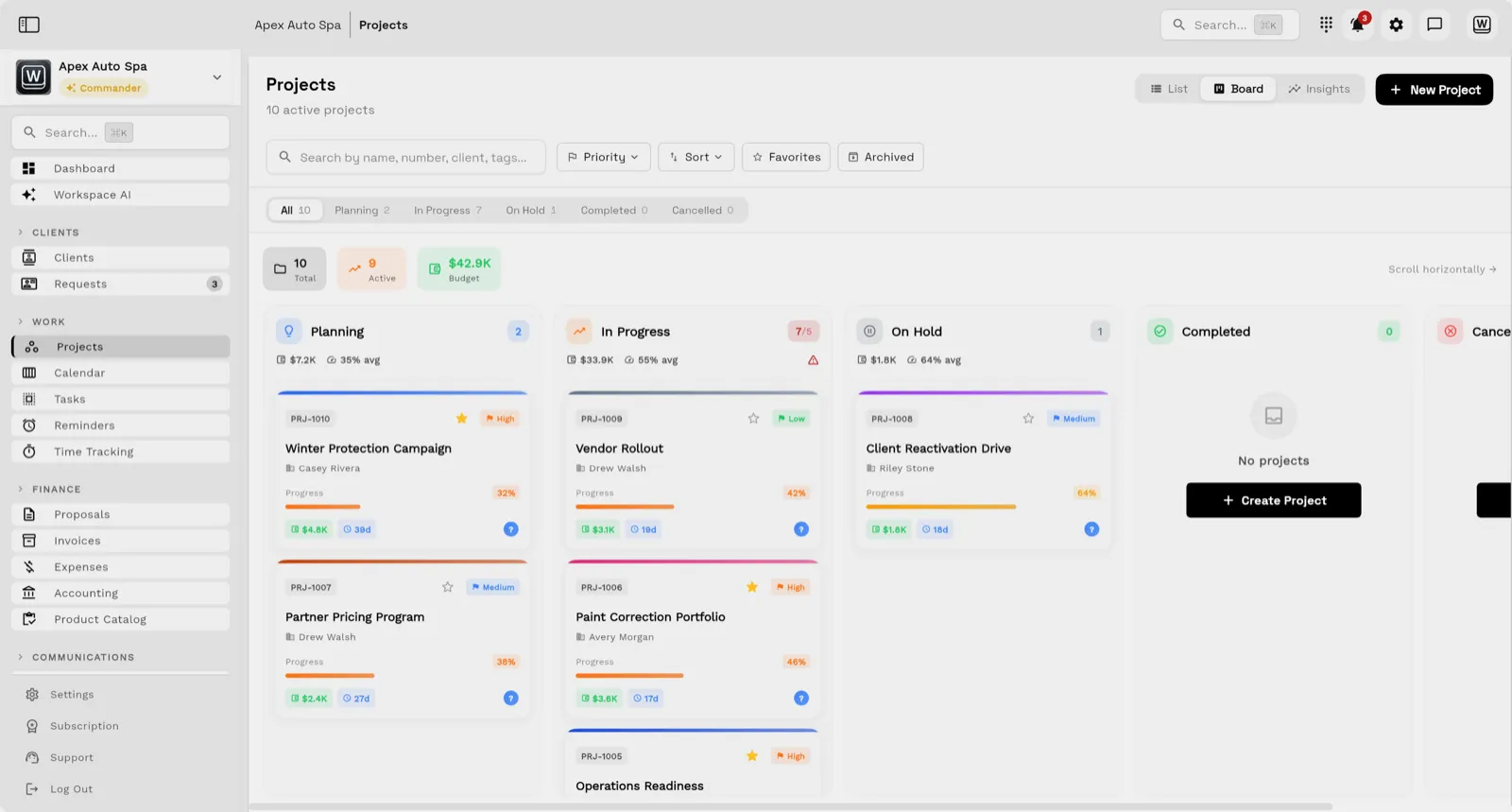
Client work, organized as projects

Tasks, files, and status for every engagement — visible to the team and, through the client portal, to the client.

Workspace369 project board showing client work organized into stages with owners and status
04

Proposals to paid invoices

Send quotes, bill milestones or retainers, and let automated reminders chase anything outstanding.

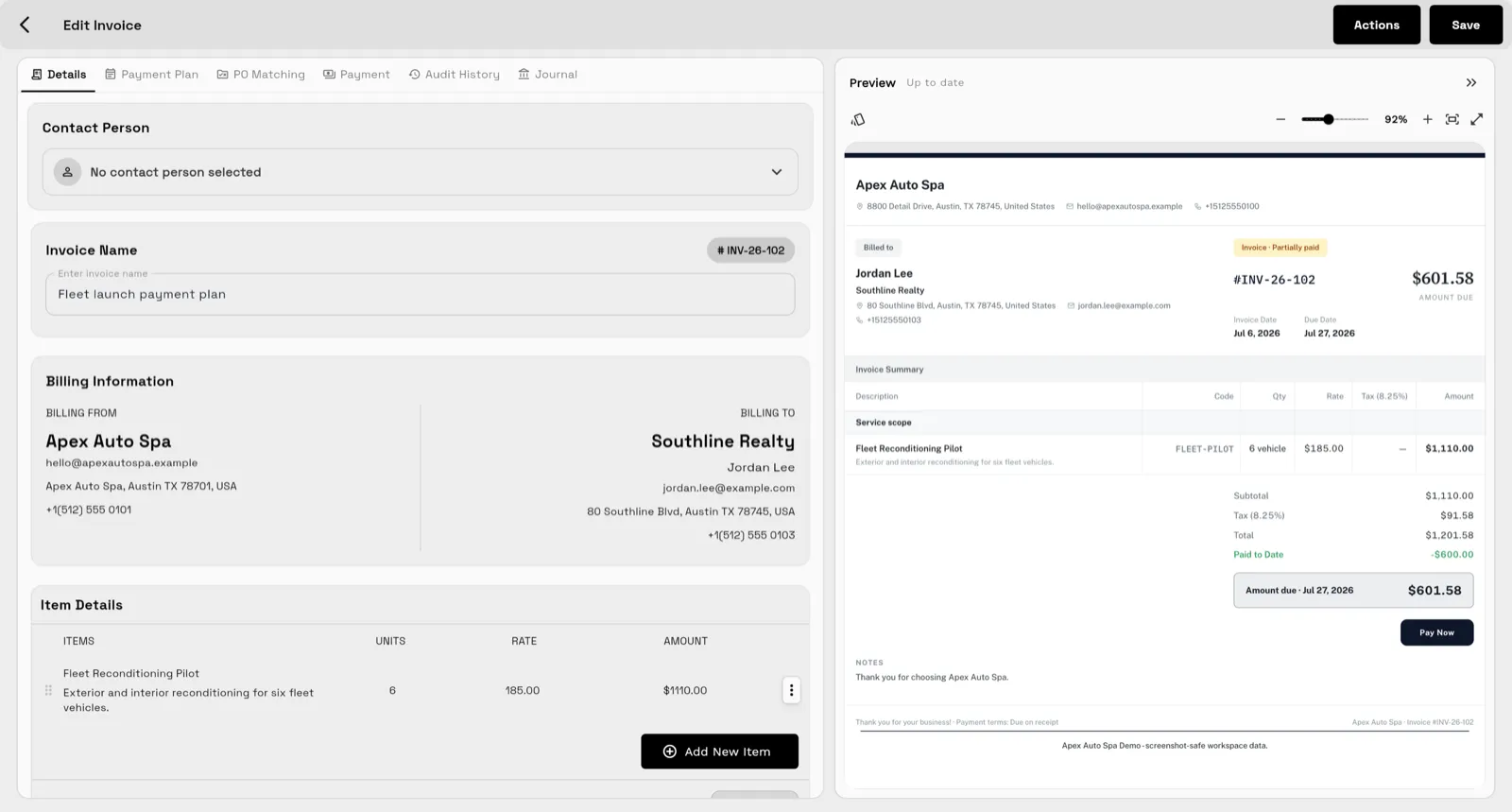
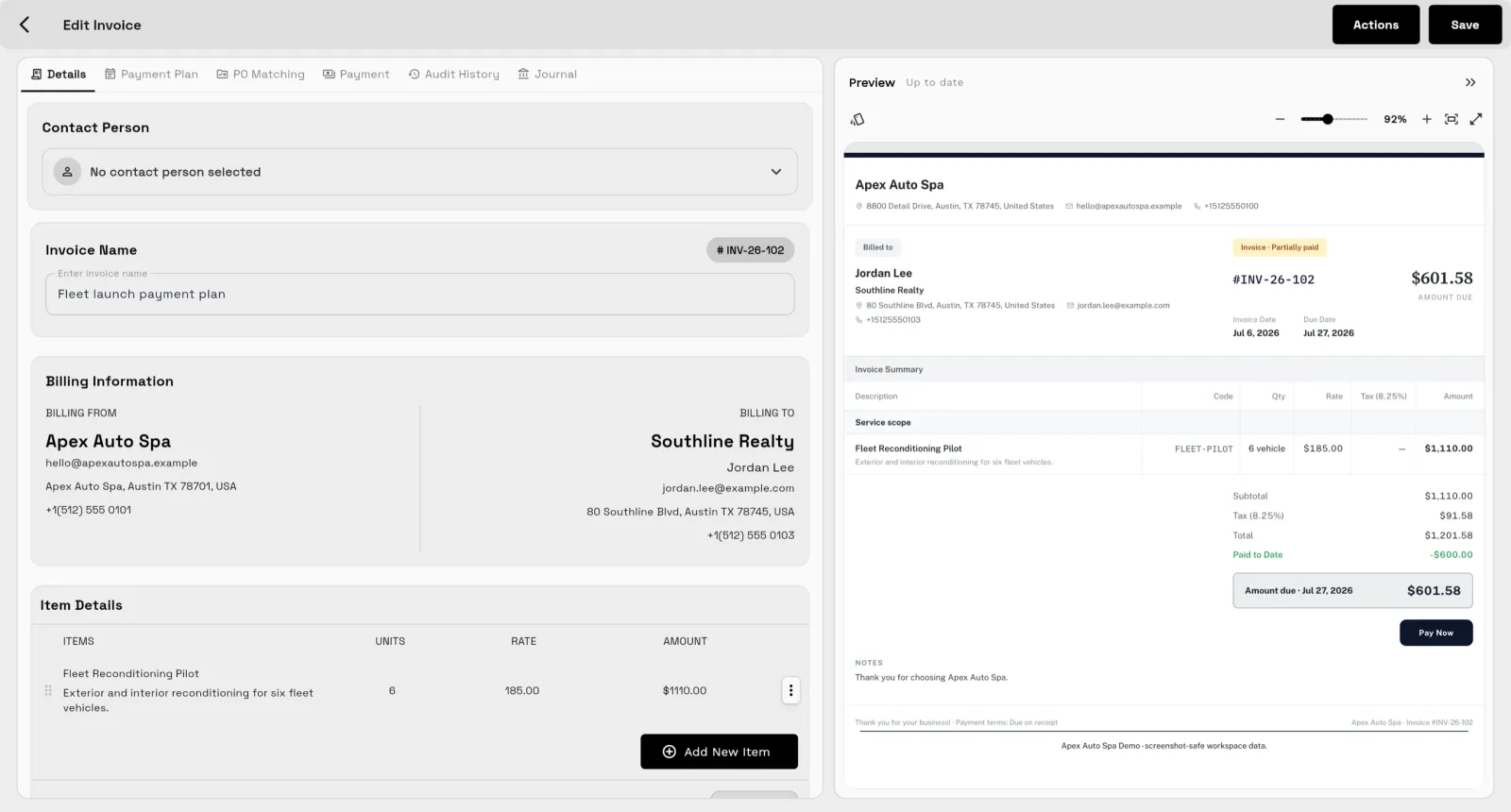
Workspace369 invoice editor showing line items, payment terms, and client details

Workflow

Operational steps for managing performance retainers

01

Establish Client Records and Proposals

Start by creating detailed client records for the performance marketing account. Send the initial proposal containing the exact terms of the fixed fees and the outcome-linked components. Record in the brief the specific external metrics that will govern the variable billing tiers, ensuring both parties have access to the foundational agreement files before campaign work begins.

02

Set Up Projects and Tasks

Create dedicated projects for each advertising channel or campaign cycle. Break down these projects into actionable tasks assigned to specific team members. Ensure that all tasks reflect the operational scope outlined in the approved proposals, providing a clear trail of agency activity that can be cross-referenced during subsequent reporting reviews.

03

Maintain Combined Conversations and Scheduling

Conduct all client communications regarding campaign updates and reporting reviews within the platform conversations. Use the scheduling feature to set up regular performance reviews. Document every discussion about variable retainer outcomes directly alongside the client records, ensuring that any verbal agreements or clarifications are preserved in writing.

04

Provide Client Portal Access

Grant clients access to the client portal so they can view active projects, pending tasks, and scheduled meetings. Instruct the client to verify their portal access and review the approved proposal. This visibility helps align expectations regarding campaign execution without exposing internal agency resource planning details.

05

Generate and Review Invoices

Create monthly invoices reflecting the baseline fixed fees and any verified outcome-linked components. Before sending, a team member must manually check the client records, past conversations, and project tasks to confirm accuracy. If a dispute arises during a reporting review, use the stored files and conversation history to resolve the billing discrepancy.

Product coverage

Client operations for performance marketing agencies

  • A human operator can successfully locate a stored proposal file and verify the exact fixed and variable fee clauses within two minutes during a client dispute.
  • The client portal displays active project tasks and scheduled reporting reviews correctly when tested with a simulated client user account.
  • An invoice can be manually generated and matched against specific client records and past conversation threads regarding outcome-linked components without errors.
Client records
Proposals
Projects and tasks
Files
Conversations
Scheduling
Invoices
Client portal
Workflow Automations

Loved on the App Store

Rated by the people running their client work on it.

★★★★★
Finally feels calm

Bounced between three or four all-in-one tools and always ended up in a mess of tabs. This is the first one that feels calm. Set up my client projects in ten minutes.

Justin R. · Solo founder · App Store review
★★★★★
Painless team rollout

Rolled it out to our eight-person team and adoption was painless — intuitive and polished. I'd love more integrations, but they keep shipping.

Samantha D. · Operations lead · App Store review
★★★★★
Hours back every week

Was juggling separate tools for notes, tasks, docs, and updates. Consolidating into one place has genuinely saved me hours each week. Support is responsive too.

Alicia N. · Agency founder · App Store review

Get started

See Workspace369 on your own client work.

Start a free trial or talk to sales — either way, you will see the whole loop: inbox, projects, portal, and billing.

FAQ

Evaluation criteria for retainer billing

Where does advertising attribution fit for our performance marketing campaigns?

Attribution stays in your ad platforms and analytics tools. Workspace369 runs the client side of the account: records, proposals, conversations and invoices. Compute performance metrics in your external ad platforms and record the final agreed numbers in the client brief. This keeps your billing records tied to data verified by your team, with marketing analytics in the tools built for it.

How do we handle a dispute over an outcome-linked fee component?

When a client disputes a variable retainer fee during a reporting review, a team member should open the client records and look at the stored proposals and past conversations. This history provides the written context of what was agreed, allowing a human operator to make an informed decision and adjust the invoice manually.

Can we schedule client reporting reviews directly through the platform?

Yes. You can use the scheduling capability to set up reporting reviews with your performance marketing clients. Details of the meeting can be linked to client records, and any follow-up tasks or files resulting from the review can be assigned to the project immediately to keep the account record clear.

What should clients see inside the client portal?

Clients can view their specific projects, tasks, and invoices within the client portal. You should instruct clients to use this portal to access their original proposals and review active task lists, which cuts back-and-forth status emails during monthly performance assessments.

Ready when you are

See where Workspace369 fits into your client-work flow.

Start with the modules you need today, then turn on AI, automations, accounting, inventory, requests, and reporting as the operation grows.