CRM for shopify / e-commerce developers

CRM for Shopify / e-commerce developers with a specific workflow

E-commerce developers face specific scope challenges when managing storefront redesigns. Workspace369 combines client records, proposals, projects and invoices in one place, with webhooks and an API from Specialist for connecting store data. Checkout code testing stays in your development tools, while developers use Workspace369 to document merchant constraints, schedule milestone reviews, and track task execution to prevent uncompensated scope expansion during platform upgrades.

Clientthe relationship and agreed brief
Worktasks with a responsible person
Billinginvoices and commercial context
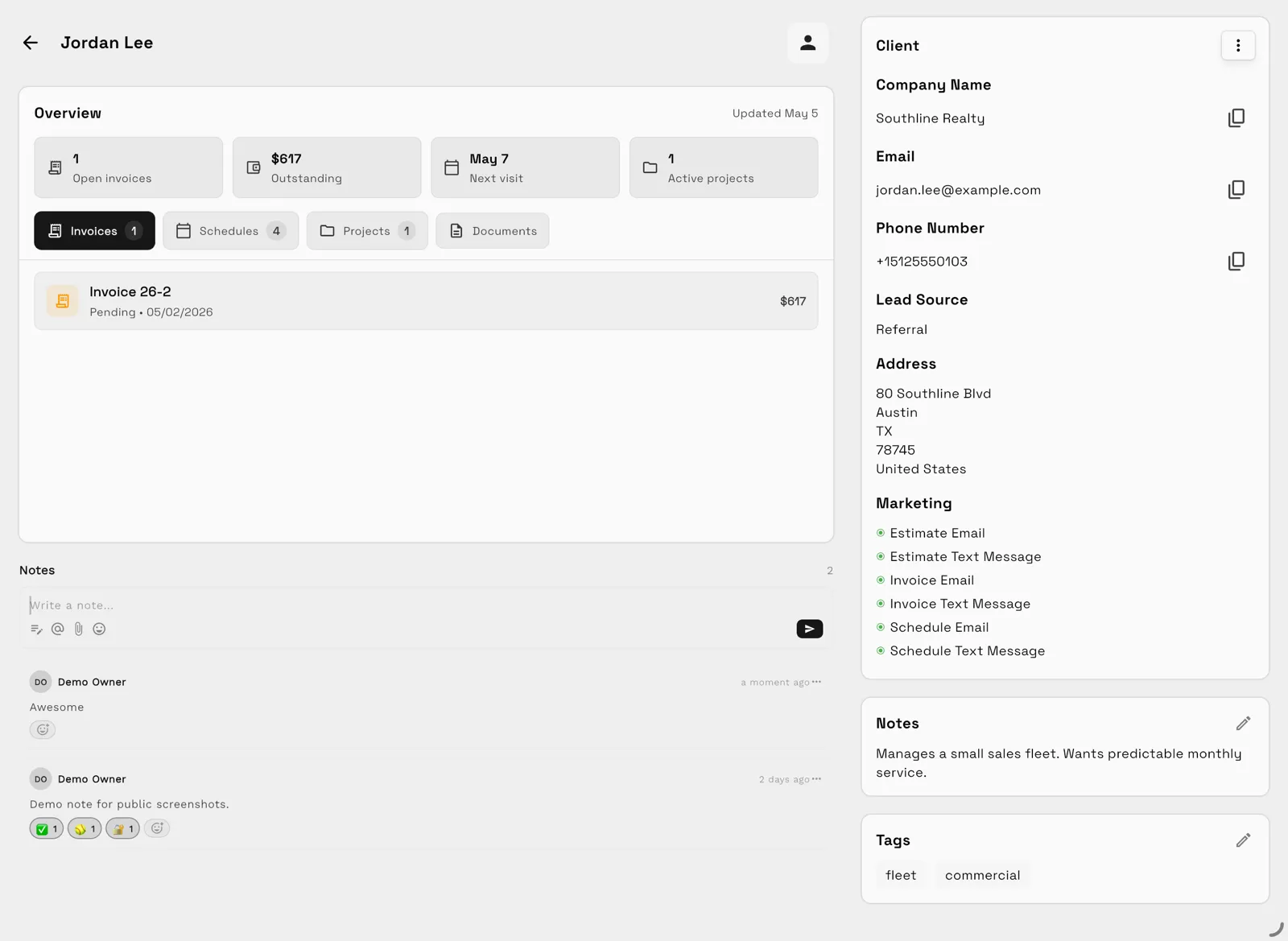
Workspace369 client record showing history, files, communication, and invoices in one profile

Key facts

CRM for shopify / e-commerce developers at Workspace369 covers 9 areas, including client records, proposals, projects and tasks.

The workflow runs in 5 steps, from "documenting merchant platform details" to "scheduling reviews and issuing invoices".

Workspace369 starts at $29/mo for 1 seat, and the Commander plan includes 20 seats, 500 GB of storage, and 120,000 AI tokens per month at $299/mo.

Additional seats cost $10 each and 100 GB of additional storage costs $15; full pricing is public on the Workspace369 pricing page.

The problem

Common Challenges in E-commerce Storefront Development

Undocumented Platform Plan Constraints

Merchant clients frequently request advanced checkout customizations during a storefront redesign without realizing their current Shopify plan restricts specific checkout modifications. When developers do not document these platform limitations within client records or initial proposals, the project stalls. A person must manually verify the merchant's subscription tier and record in the brief whether the requested layout is supported before writing any custom storefront code.
Scattered Storefront Design Files

Storefront assets, theme mockups, and layout feedback often end up scattered across various external chat channels. Without a structured repository for files and conversations, developers write code based on outdated layout assets. This lack of organization forces managers to search through multiple message histories to find the final merchant design approvals, leading to development delays and accidental rollbacks of custom storefront adjustments.

Untracked Storefront Revision Tasks

When a storefront redesign gains a checkout requirement that depends on the merchant's platform plan, development tasks multiply rapidly. If these new requirements are not broken down into explicit tasks assigned within a clear project, developers miss critical API dependencies. Administrative staff must manually create individual tasks for plan validation to ensure no developer attempts unsupported code modifications.

Delayed Milestone Invoice Processing

E-commerce development projects often stall financially when invoices are not tied directly to completed storefront milestones. If a project suffers from delayed administrative tracking, developers continue working on storefront code while the initial setup invoices remain unpaid. Teams need a clear way to issue invoices based on recorded project phases and verify receipt before proceeding to the next deployment step.

The product

See the workspace your clients feel.

01

A portal clients actually check

Clients watch progress, files, and invoices in a branded portal instead of asking your team for updates.

Workspace369 client record showing history, files, communication, and invoices in one profile
02

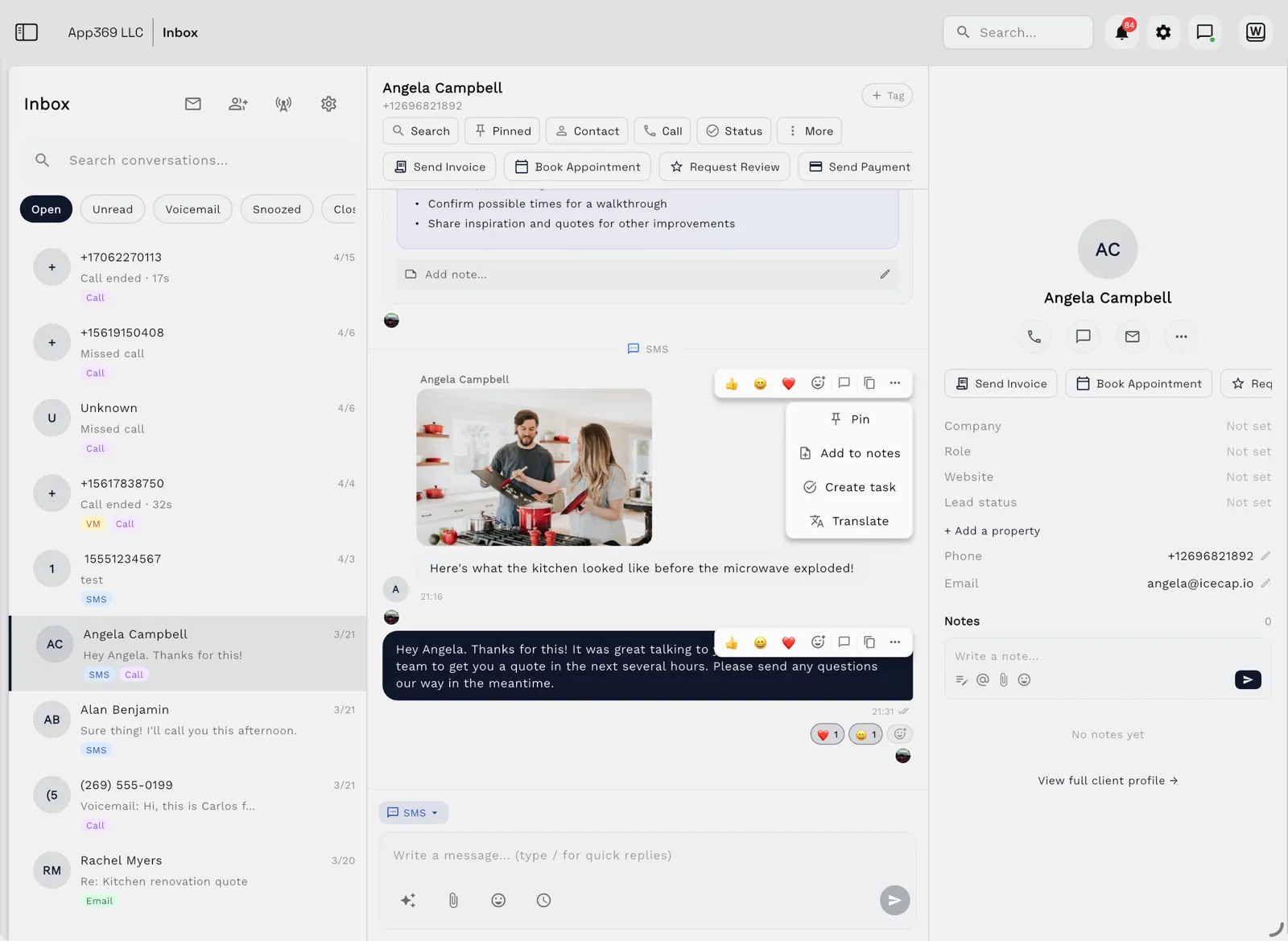
Every channel in one inbox

Email, SMS, calls, and voicemail land beside the client record — with AI summaries, so anyone on the team can reply with full context.

Workspace369 shared inbox showing email, SMS, and call history beside a client record
03

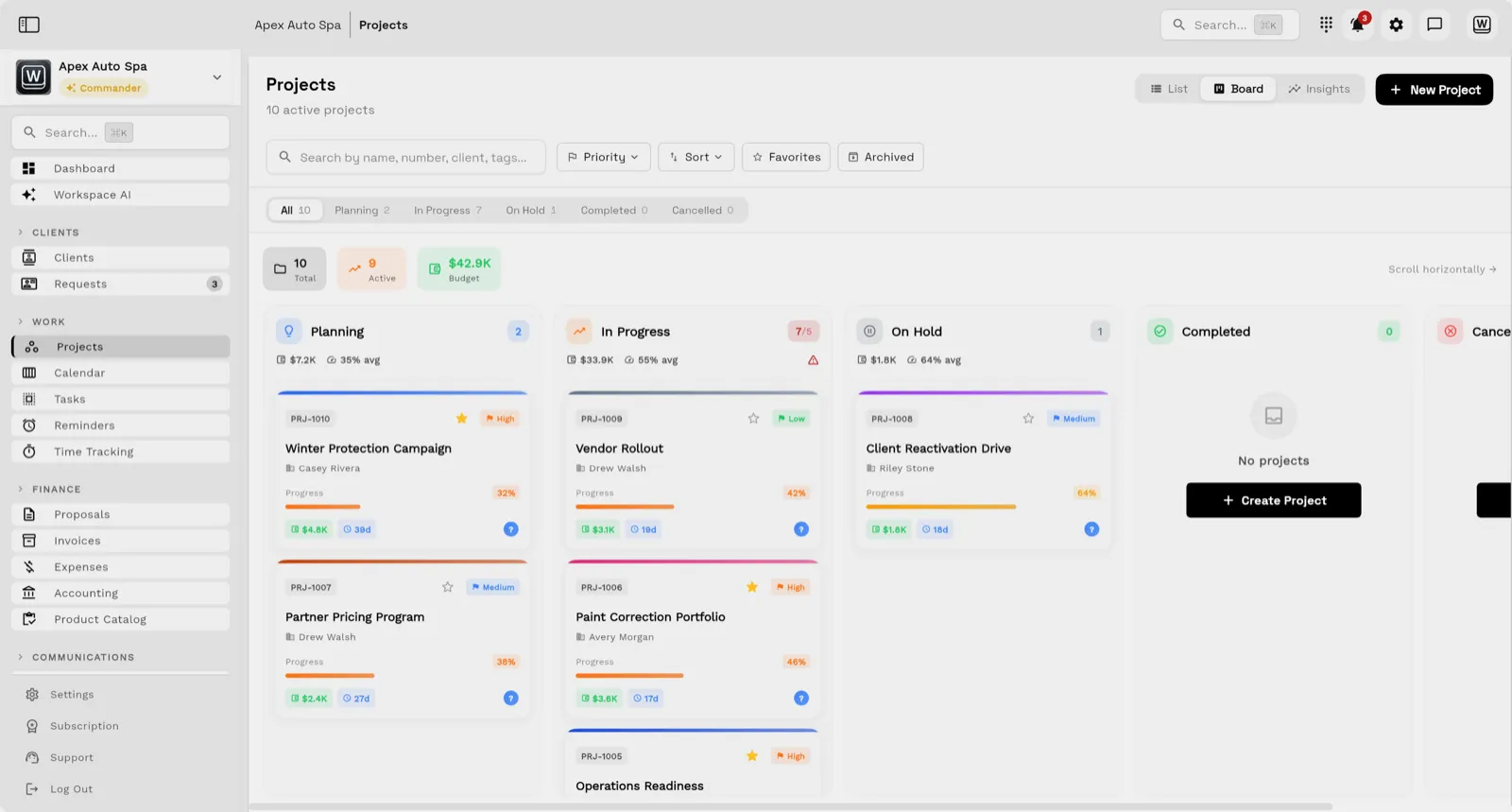
Client work, organized as projects

Tasks, files, and status for every engagement — visible to the team and, through the client portal, to the client.

Workspace369 project board showing client work organized into stages with owners and status
04

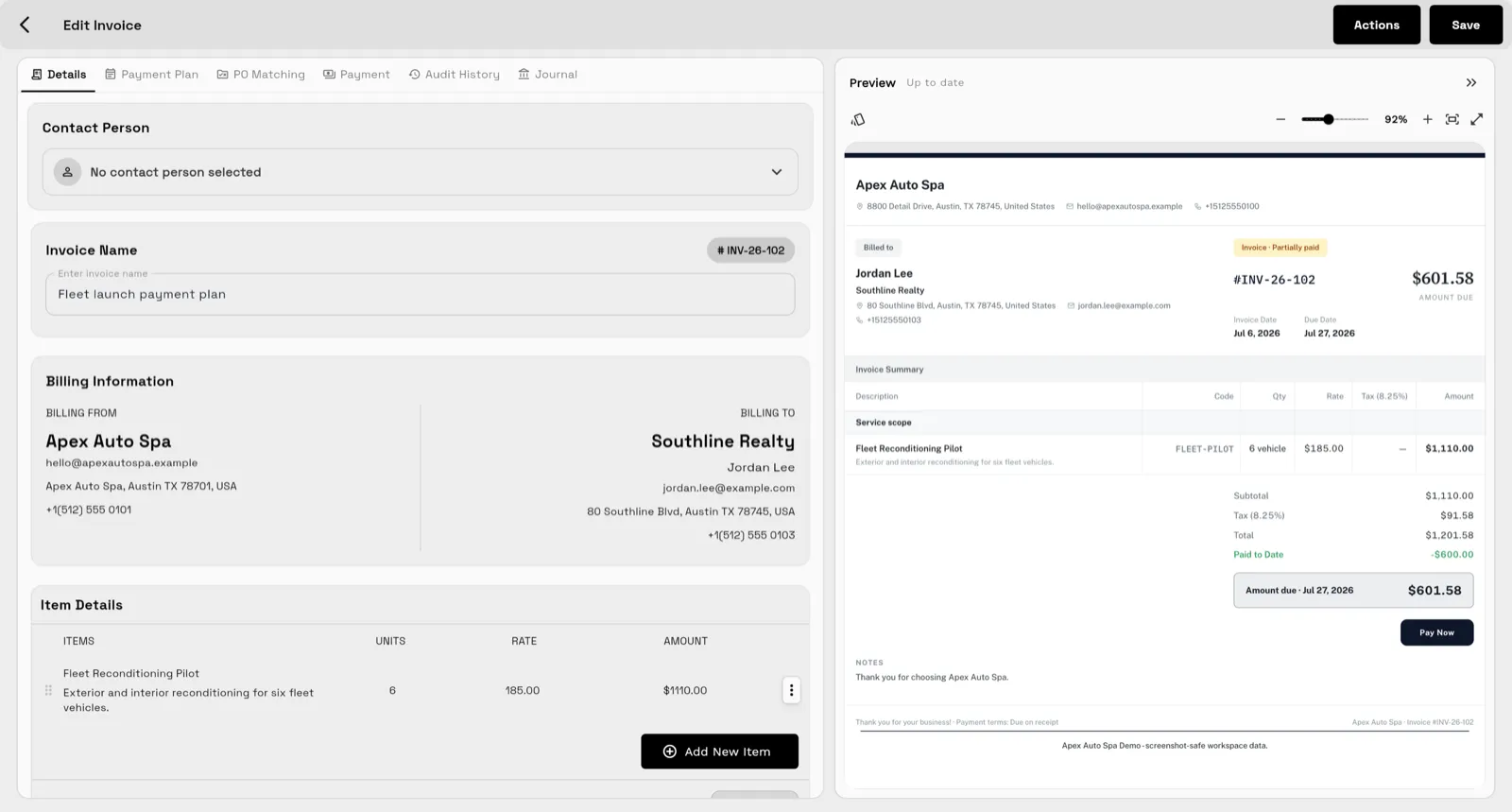
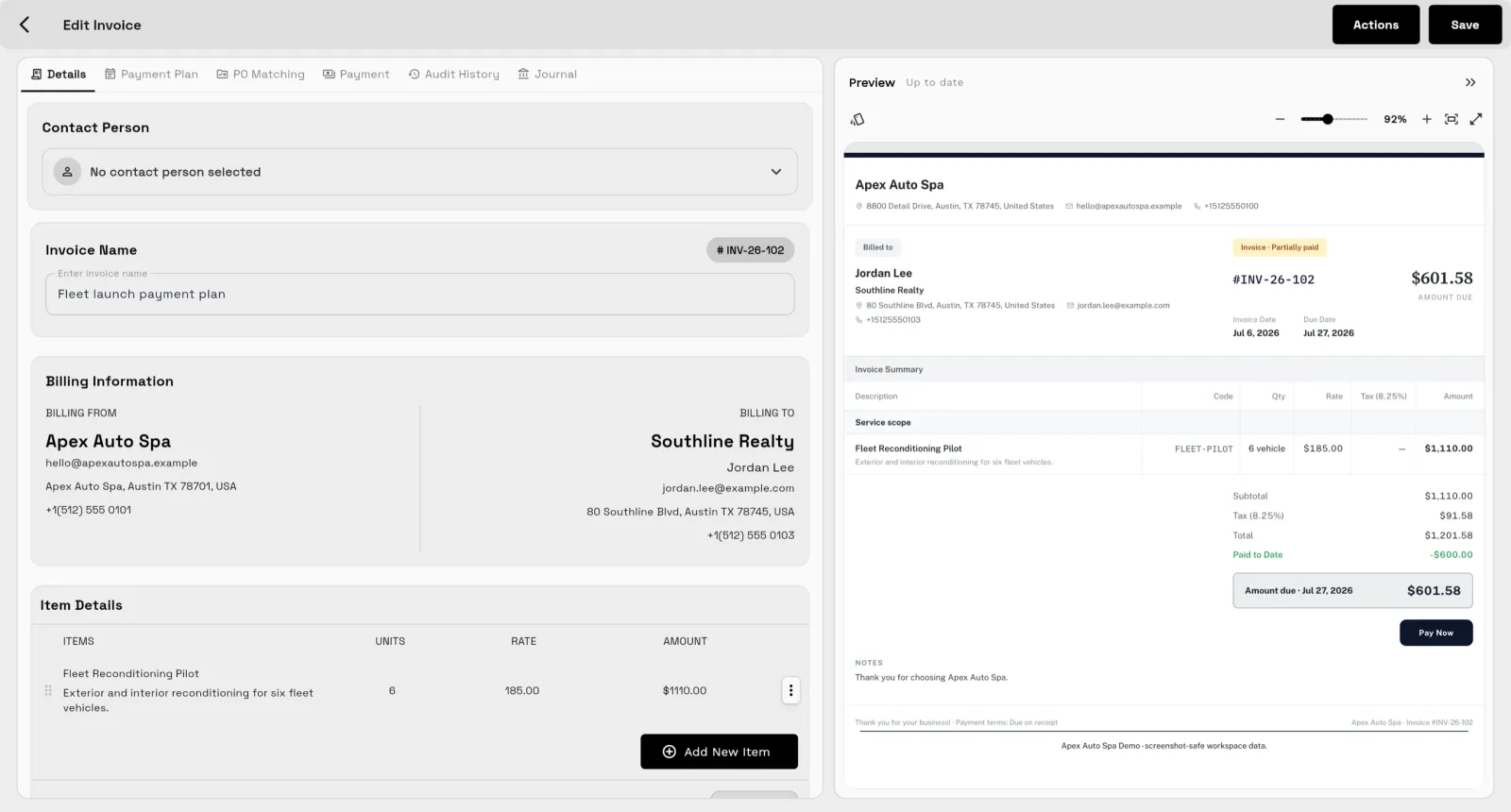
Proposals to paid invoices

Send quotes, bill milestones or retainers, and let automated reminders chase anything outstanding.

Workspace369 invoice editor showing line items, payment terms, and client details

Workflow

Step-by-Step E-commerce Project Workflow

01

Documenting Merchant Platform Details

The workflow begins when a team member creates new client records for the merchant. A person must manually record in the brief the merchant's current platform plan, API access limitations, and existing theme details. This ensures that all developers reference the same technical constraints before proposing any custom checkout modifications or layout changes during the upcoming storefront redesign project.

02

Issuing the Storefront Redesign Proposal

Next, the account manager generates detailed Proposals outlining the storefront scope, specific platform plan requirements, and payment terms. This document explicitly states that checkout modifications depend on the merchant's platform plan. A human must send the proposal to the merchant and track their response to ensure all technical dependencies are acknowledged before any development work is scheduled.

03

Structuring the Development Project

Once the merchant accepts the proposal, an administrator sets up a new project containing explicit phases for design, development, and checkout validation. The administrator must manually create tasks for each storefront component, such as cart layouts and navigation menus. These tasks provide clear boundaries for the development team, preventing unauthorized code changes that exceed the initial project scope.

04

Managing Files and Conversations

During the active development phase, all theme files, layout mockups, and merchant conversations are kept together. When a storefront redesign gains a checkout requirement that depends on the merchant's platform plan, a person must upload the updated plan documentation to the files section. The team handles all clarifying conversations here to keep the technical adjustments aligned with the merchant's subscription.

05

Scheduling Reviews and Issuing Invoices

The final phase involves using scheduling to set up storefront review sessions with the merchant. After a human verifies the completed tasks during the review, the administrator issues milestone invoices directly through the platform. The merchant can access these invoices and shared project files via the client portal, ensuring full visibility into the status of their e-commerce storefront redesign.

Product coverage

Client operations for shopify / e-commerce developers

  • A human operator can successfully verify that the merchant's platform plan and checkout constraints are manually written into the client records section prior to project kickoff.
  • The project tasks list contains a specific, manual entry requiring a developer to check the checkout requirements against the merchant's actual subscription tier before deployment.
  • Milestone invoices can be manually generated and linked to specific storefront project phases, then verified as visible within the merchant's client portal during an evaluation exercise.
Client records
Proposals
Projects and tasks
Files
Conversations
Scheduling
Invoices
Client portal
Workflow Automations

Loved on the App Store

Rated by the people running their client work on it.

★★★★★
Finally feels calm

Bounced between three or four all-in-one tools and always ended up in a mess of tabs. This is the first one that feels calm. Set up my client projects in ten minutes.

Justin R. · Solo founder · App Store review
★★★★★
Painless team rollout

Rolled it out to our eight-person team and adoption was painless — intuitive and polished. I'd love more integrations, but they keep shipping.

Samantha D. · Operations lead · App Store review
★★★★★
Hours back every week

Was juggling separate tools for notes, tasks, docs, and updates. Consolidating into one place has genuinely saved me hours each week. Support is responsive too.

Alicia N. · Agency founder · App Store review

Get started

See Workspace369 on your own client work.

Start a free trial or talk to sales — either way, you will see the whole loop: inbox, projects, portal, and billing.

FAQ

Evaluation Criteria for E-commerce Storefront Projects

Does Workspace369 automatically sync with my Shopify partner account?

Workspace369 connects to other systems through webhooks and its API from Specialist. Map the events and fields you need, set permissions and test failure handling with sample records before you rely on the sync.

How do we handle a storefront redesign that gains unexpected checkout requirements?

When a storefront redesign gains a checkout requirement that depends on the merchant's platform plan, a person must manually update the project tasks. You should create a specific task to verify the merchant's plan eligibility and upload the relevant API documentation to the files section, ensuring the team discusses changes within the platform conversations.

Can merchants review storefront layout mockups inside the client portal?

Yes, merchants can log into the client portal to view uploaded layout files, track project progress and reply in conversations. The portal also holds schedules and invoices, and live code previews stay in your development store.

Can we use this software to track developer hours and resource capacity?

Yes for hours: time tracking, timers and timesheets start on Voyager and turn billable time into invoices, and project profitability reports start on Specialist. For resource forecasting across a large team, agencies also compare Productive.

Ready when you are

See where Workspace369 fits into your client-work flow.

Start with the modules you need today, then turn on AI, automations, accounting, inventory, requests, and reporting as the operation grows.