CRM for software consultancies

CRM for Software Consultancies with a Discovery Scope Workflow

Software consultancies often face client misunderstandings when an advisory discovery engagement is mistaken for an implementation commitment. Workspace369 separates discovery files, scheduling, and proposals from execution projects. By organizing client records, tasks, conversations, and invoices within a clear framework, your team can maintain distinct boundaries for advisory work before any software development contracts are signed.

Clientthe relationship and agreed brief
Worktasks with a responsible person
Billinginvoices and commercial context
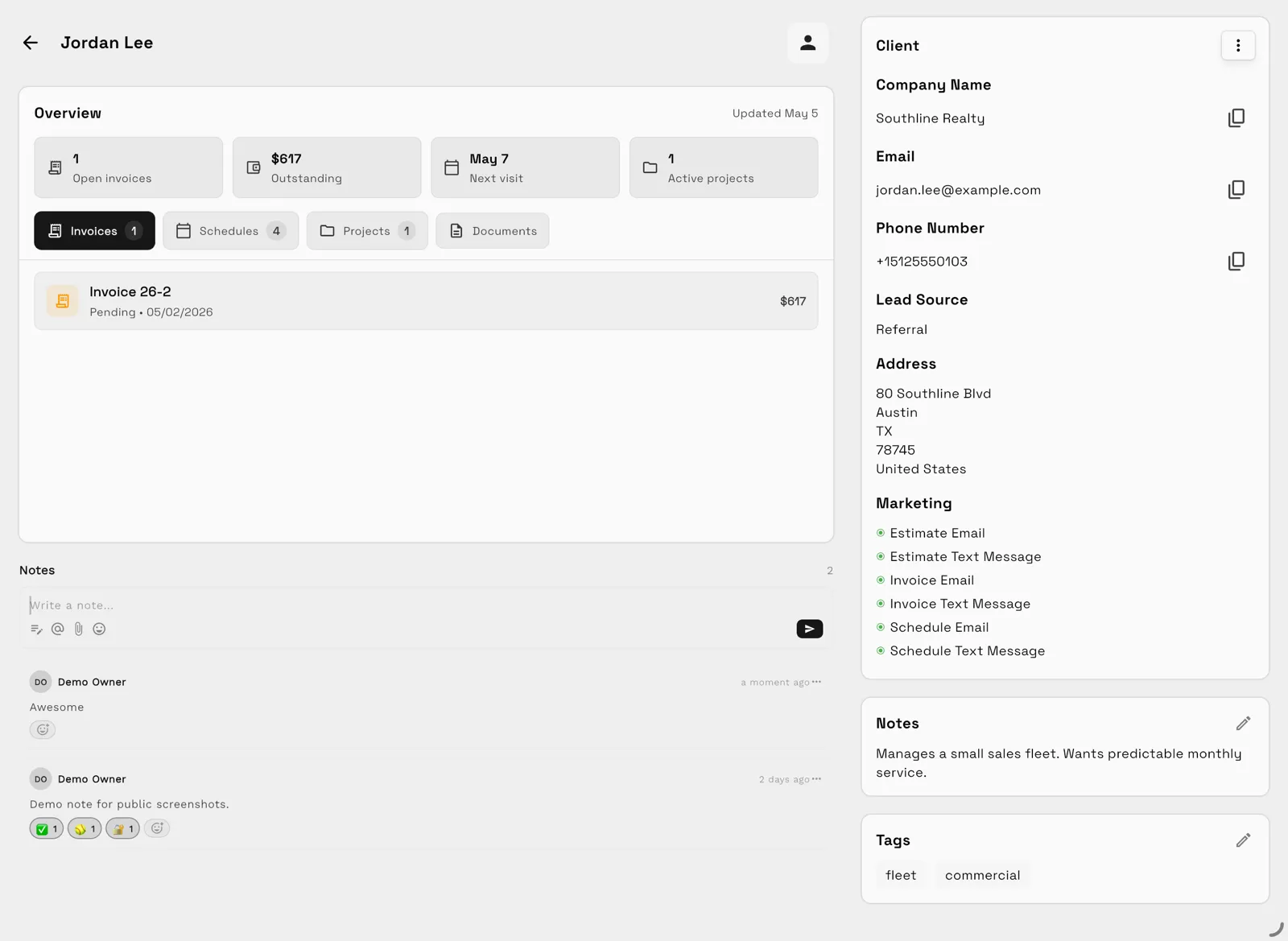
Workspace369 client record showing history, files, communication, and invoices in one profile

Key facts

CRM for software consultancies at Workspace369 covers 9 areas, including client records, proposals, projects and tasks.

The workflow runs in 5 steps, from "initialize the advisory client record" to "finalize invoices and next phase proposals".

Workspace369 starts at $29/mo for 1 seat, and the Commander plan includes 20 seats, 500 GB of storage, and 120,000 AI tokens per month at $299/mo.

Additional seats cost $10 each and 100 GB of additional storage costs $15; full pricing is public on the Workspace369 pricing page.

The problem

Operational Friction in Software Advisory Scopes

Scope Creep from Advisory to Delivery

Clients frequently assume that a technical advisory discovery engagement includes actual code delivery. Without distinct client records and explicit proposals, advisory conversations blend into implementation expectations. This lack of administrative separation leads to unbilled architectural design work. Consultancies need a way to document boundaries clearly within their initial administrative files and tasks before any engineering resources are scheduled or deployed.
Scattered Discovery Documentation

Technical briefs, architectural diagrams, and discovery notes often end up in multiple communication threads. When conversations and files are not linked directly to the client record, administrative oversight breaks down. Teams lose track of what was agreed upon during the initial consultation. This makes it difficult to issue accurate invoices for advisory hours or reference past constraints during subsequent proposal stages.

Misaligned Scheduling and Milestones

Scheduling consultative sessions without linking them to specific advisory tasks creates operational confusion. Clients look at calendar invites and assume engineering milestones are being met. When scheduling is isolated from the main project framework, consultants miss administrative deadlines. This disconnect makes it hard to track whether a discovery engagement has officially concluded or if additional proposals are required.

Invoicing Delays for Advisory Work

Software consultancies often delay billing for discovery because the administrative boundary between advisory and implementation is blurred. When a human operator does not create invoices for the recorded project milestones, revenue is deferred. Conversations about budget become difficult when client records do not clearly show the completed advisory tasks and signed proposals that govern the current technical assessment phase.

The product

See the workspace your clients feel.

01

A portal clients actually check

Clients watch progress, files, and invoices in a branded portal instead of asking your team for updates.

Workspace369 client record showing history, files, communication, and invoices in one profile
02

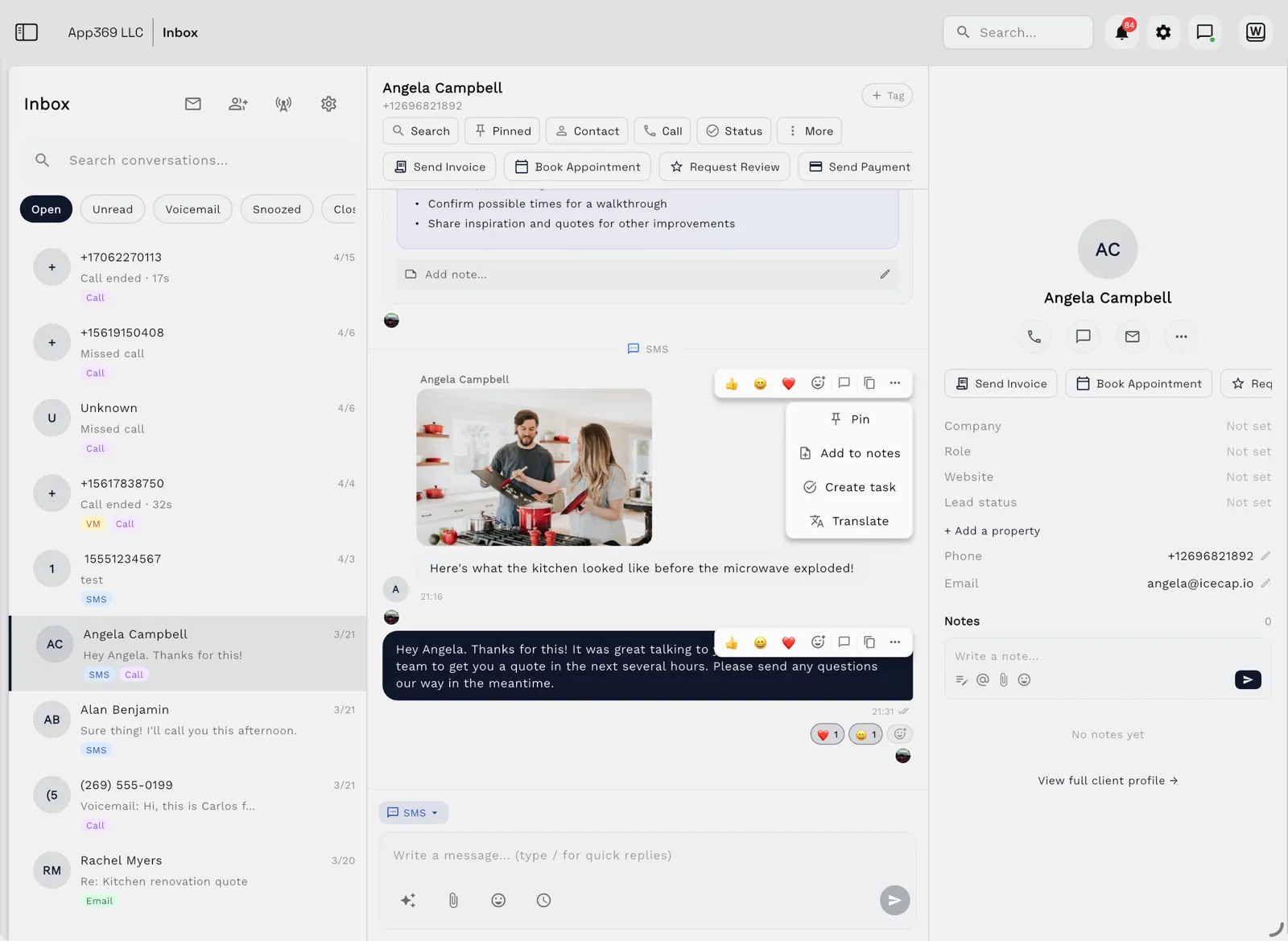
Every channel in one inbox

Email, SMS, calls, and voicemail land beside the client record — with AI summaries, so anyone on the team can reply with full context.

Workspace369 shared inbox showing email, SMS, and call history beside a client record
03

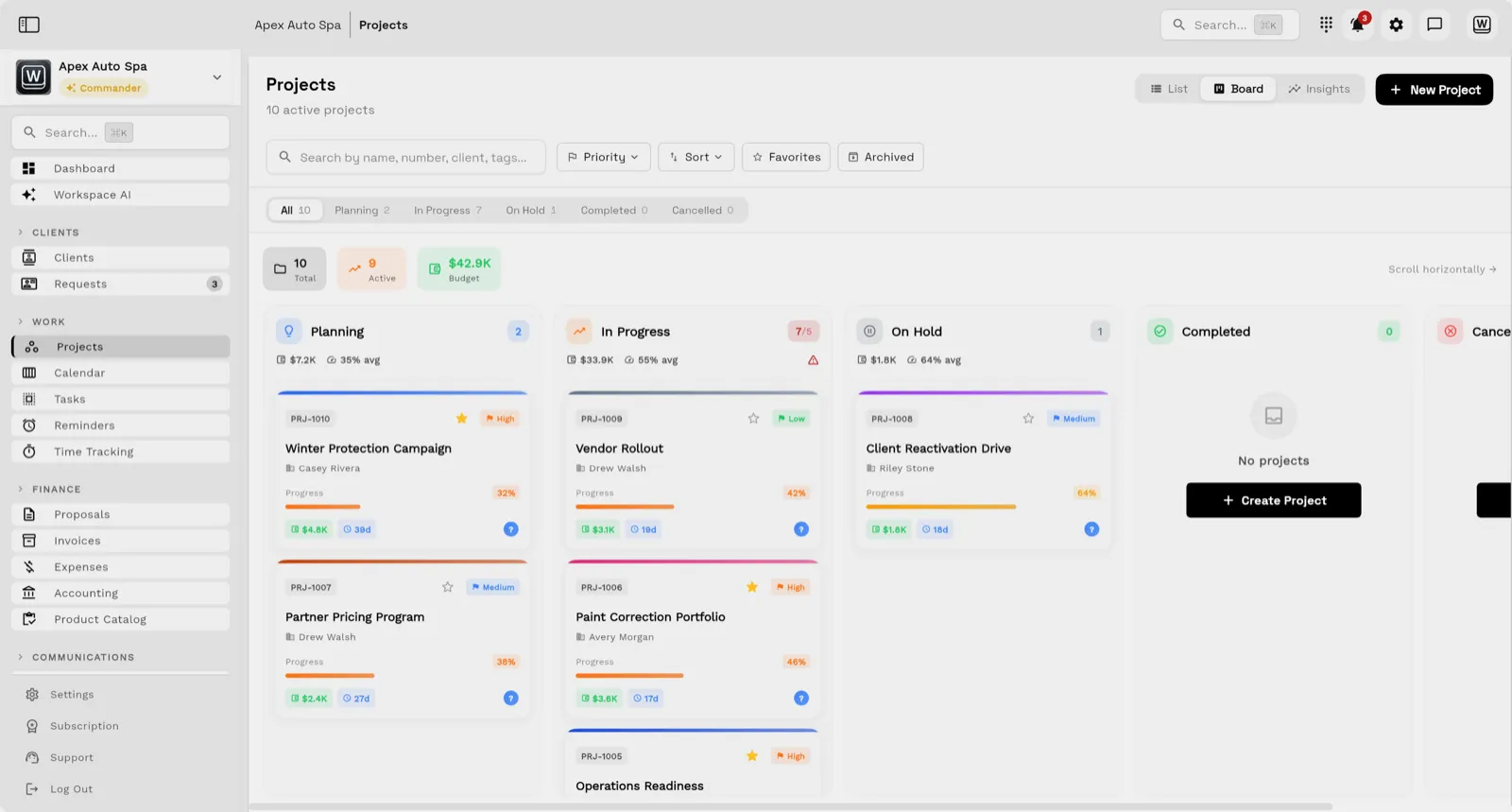
Client work, organized as projects

Tasks, files, and status for every engagement — visible to the team and, through the client portal, to the client.

Workspace369 project board showing client work organized into stages with owners and status
04

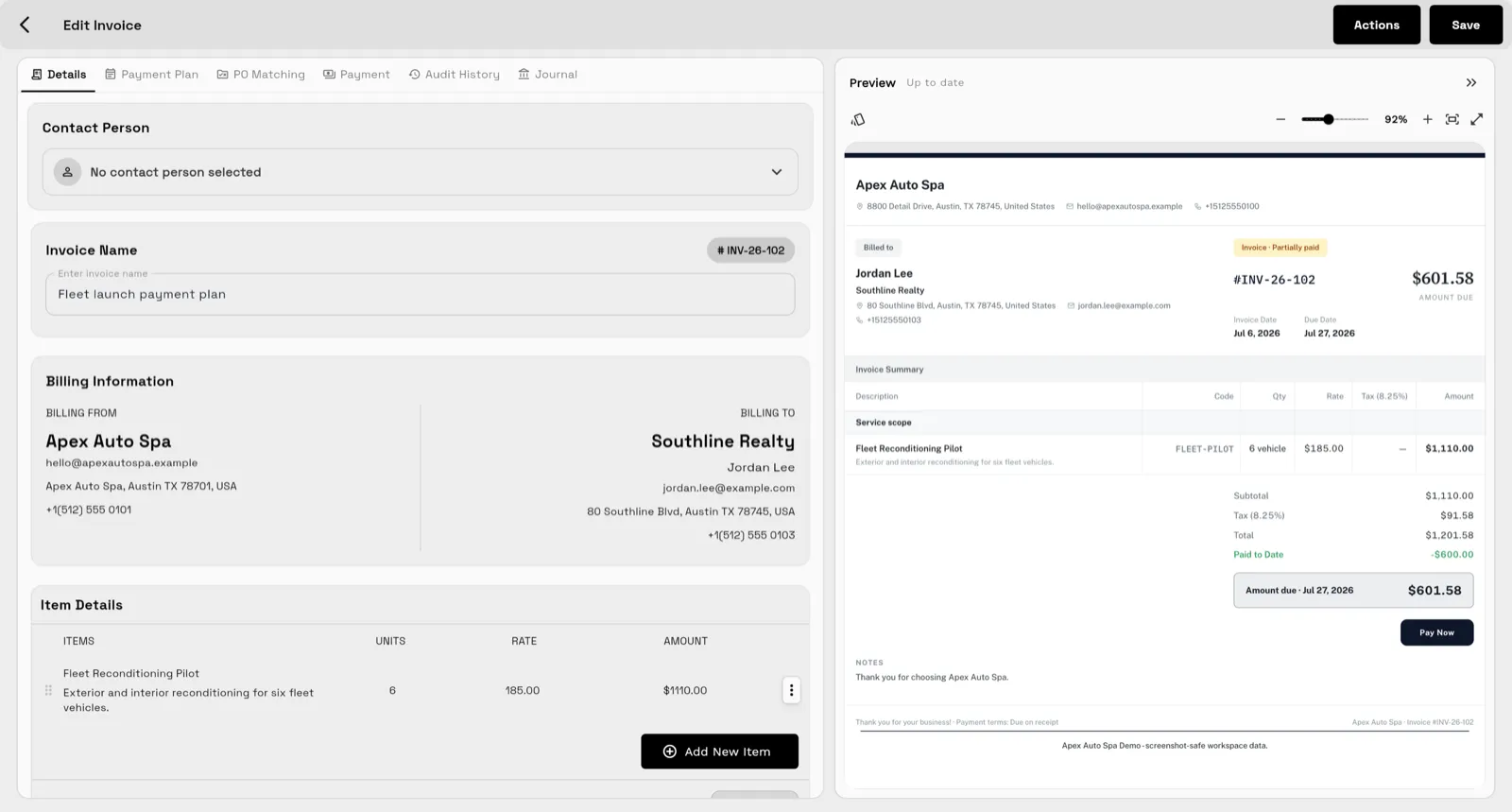
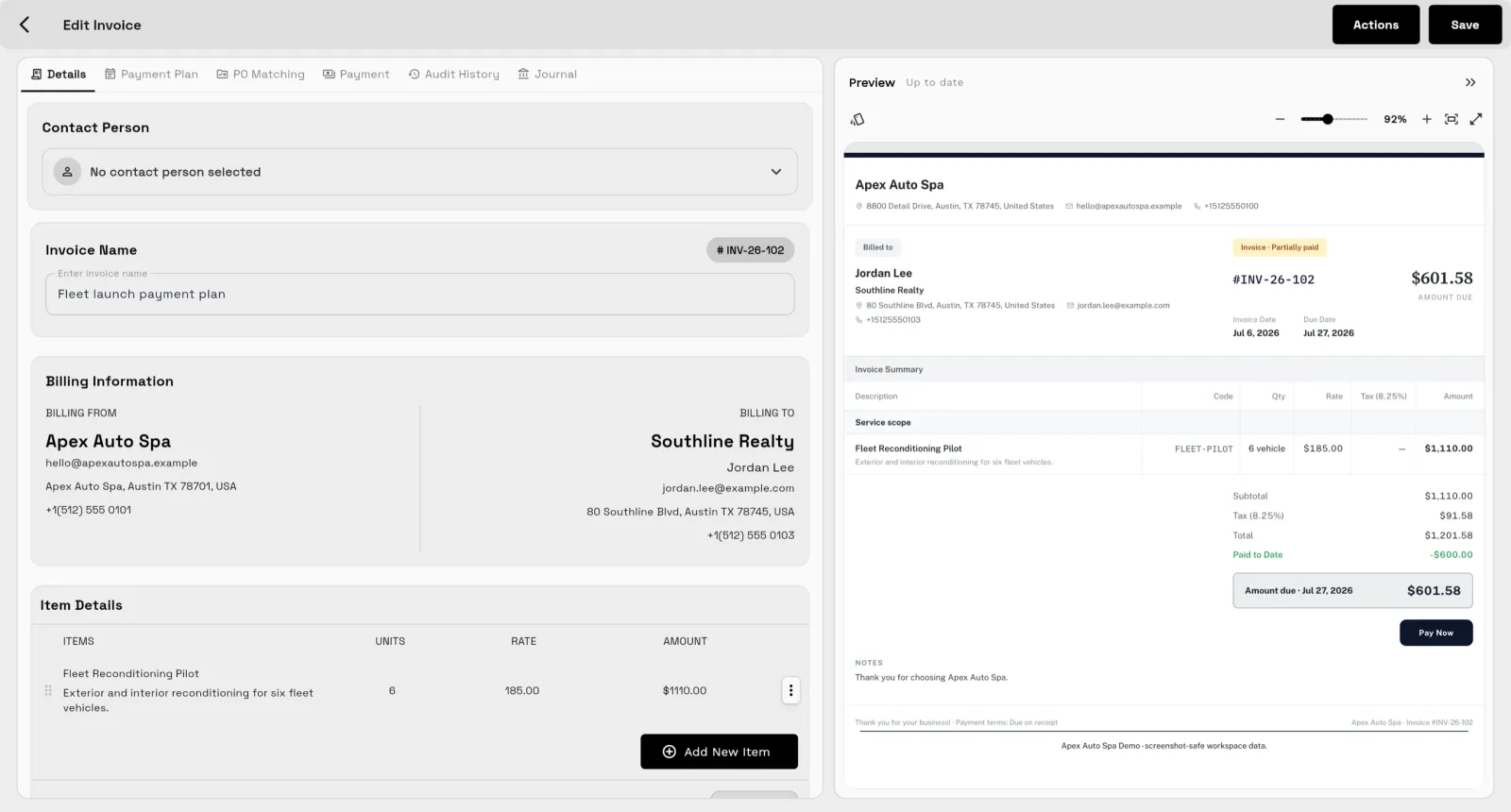
Proposals to paid invoices

Send quotes, bill milestones or retainers, and let automated reminders chase anything outstanding.

Workspace369 invoice editor showing line items, payment terms, and client details

Workflow

The Client Workflow for Software Advisory

01

Initialize the Advisory Client Record

Start by creating a dedicated profile within client records specifically for the technical advisory phase. Record in the brief that this engagement is strictly limited to discovery and does not constitute an implementation commitment. Use this record to house all initial conversations and scheduling dates, ensuring that any team member reviewing the account understands the limited scope of the current consultancy contract.

02

Issue the Discovery Proposal

Draft and send explicit Proposals that define the exact parameters of the technical assessment. The proposal must state that code delivery is excluded from this discovery phase. Link this document directly to the client records so that the client can review the terms via the client portal. This establishes a clear scope boundary before any consultative conversations or scheduling blocks begin.

03

Execute Discovery Tasks and Scheduling

Set up specific tasks for the architectural review and schedule the necessary consultation sessions. Attach all relevant files and technical notes directly to these tasks. Keep all client conversations focused on the discovery scope within the platform. This prevents the advisory work from drifting into unauthorized implementation, keeping the consultancy team aligned on the agreed boundaries of the engagement.

04

Deliver the Assessment Files via Portal

Upload the final advisory documentation and technical recommendations into the files section (file attachments start on Specialist). Direct the client to access these documents through the client portal. Instruct the client to review the files to confirm the discovery engagement is complete. This formalizes the delivery of the advisory scope and separates it entirely from any future technical implementation or code delivery choices.

05

Finalize Invoices and Next Phase Proposals

Generate and send invoices for the completed advisory hours from the closed discovery tasks and tracked billable time. Once the discovery phase is closed, issue a new, separate proposal if the client requests implementation services. This keeps your financial records clear and ensures that advisory engagements are never mistaken for open-ended development commitments.

Product coverage

Client operations for software consultancies

  • The client record must explicitly show a 'record in the brief' stating that the technical assessment is separate from code delivery before scheduling any advisory sessions.
  • A human operator must verify that the client portal only shares the specific discovery proposals, tasks, and files agreed upon in the brief, preventing the client from assuming implementation tracks exist.
  • A human operator must create invoices for the completed advisory tasks, verifying that all discovery hours are billed independently of any future software development commitments.
Client records
Proposals
Projects and tasks
Files
Conversations
Scheduling
Invoices
Client portal
Workflow Automations

Loved on the App Store

Rated by the people running their client work on it.

★★★★★
Finally feels calm

Bounced between three or four all-in-one tools and always ended up in a mess of tabs. This is the first one that feels calm. Set up my client projects in ten minutes.

Justin R. · Solo founder · App Store review
★★★★★
Painless team rollout

Rolled it out to our eight-person team and adoption was painless — intuitive and polished. I'd love more integrations, but they keep shipping.

Samantha D. · Operations lead · App Store review
★★★★★
Hours back every week

Was juggling separate tools for notes, tasks, docs, and updates. Consolidating into one place has genuinely saved me hours each week. Support is responsive too.

Alicia N. · Agency founder · App Store review

Get started

See Workspace369 on your own client work.

Start a free trial or talk to sales — either way, you will see the whole loop: inbox, projects, portal, and billing.

FAQ

Evaluation Exercise and Acceptance Criteria

Where do our software source code repositories fit?

Keep code development, version control and deployment in your engineering tools. Workspace369 runs the consultancy side: final advisory files, proposals, client conversations, billable time and invoices.

How do we prevent clients from expecting implementation during discovery?

You can use Proposals and client records to explicitly define the advisory scope. Record in the brief that the engagement is limited to discovery. Share these documents and associated tasks through the client portal so the client has clear visibility into the agreed boundaries of your consultancy work.

Can we handle consultant scheduling and client conversations together?

Yes. Workspace369 allows you to organize scheduling for advisory sessions alongside client conversations. By linking these communications and calendar dates directly to specific client records and tasks, you ensure that all client interactions remain focused on the agreed-upon discovery scope without drifting into implementation.

How are invoices tracked for technical advisory projects?

Invoices are created within the platform and linked directly to client records and projects. You can track the payment status of invoices issued for advisory tasks, ensuring that your consultancy is compensated for discovery work before initiating any separate proposals for future software development or implementation phases.

Ready when you are

See where Workspace369 fits into your client-work flow.

Start with the modules you need today, then turn on AI, automations, accounting, inventory, requests, and reporting as the operation grows.