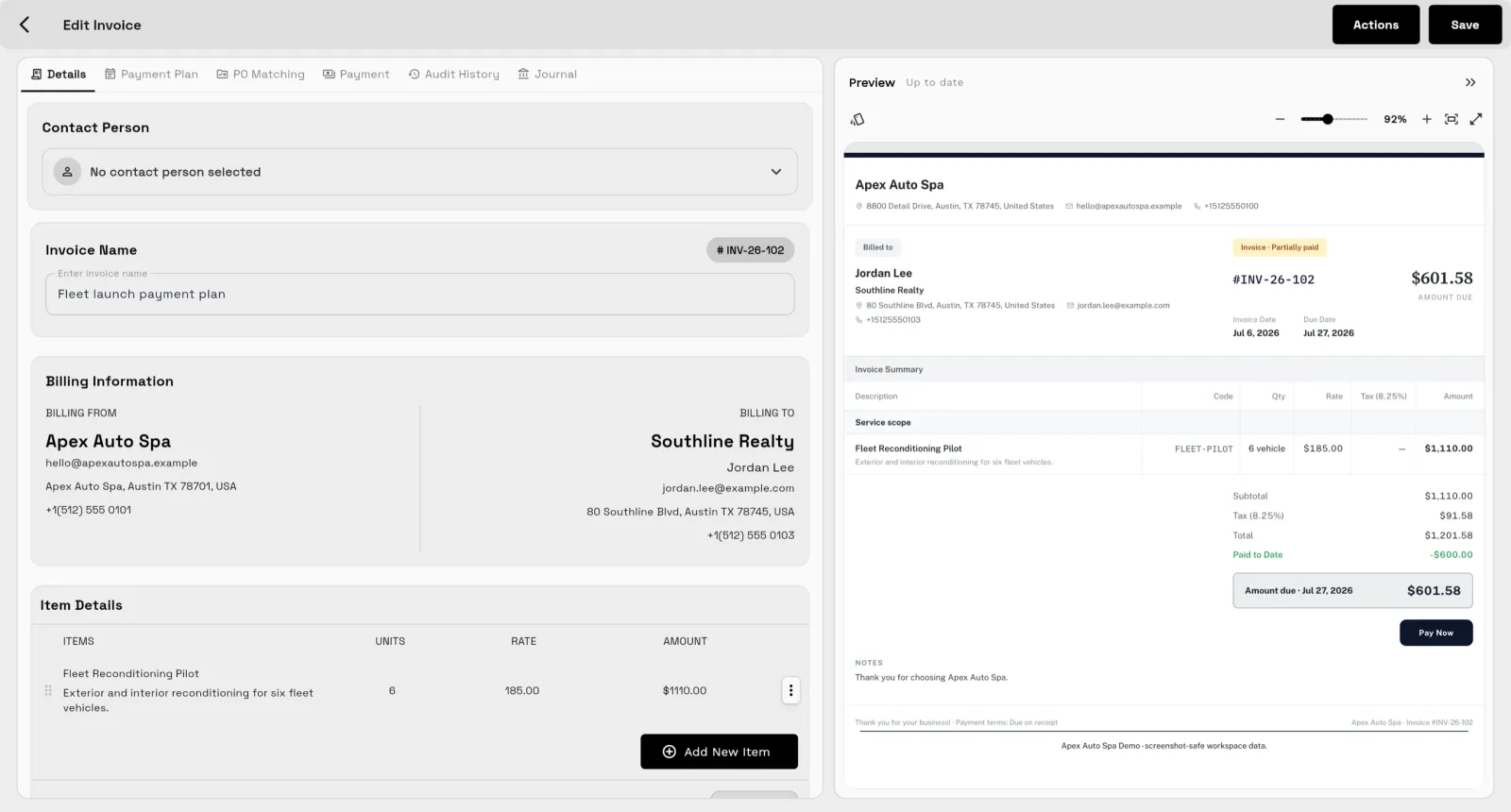
Untracked post-launch maintenance requests
A bug report, warranty fix and paid feature request can look similar in chat. Record the request beside the original scope so you can agree whether new work is billable before starting.
Workspace369 is a CRM for freelance developers that keeps proposals with deposits, retainers, tracked billable hours, project tasks, a client portal and invoices on one client record, from $29 a month on Cadet (1 seat, 5 active projects). Calls, texts and the shared inbox start on Voyager. Code, deploys and monitoring stay in your developer tools.
Workspace369 is a CRM for freelance developers who want client records, proposals, project tasks and invoices connected outside their code repository. Cadet starts at $29/month in USD for one seat. Billable time tracking and time-to-invoice are on every plan for hourly development and maintenance work.
14-day free trial. Card required. After the trial: from $29/month. Renews automatically every month until you cancel. Cancel anytime in Settings → Billing.
2 minutes: email, mobile number (code for US/Canada only), card. $0 for 14 days.
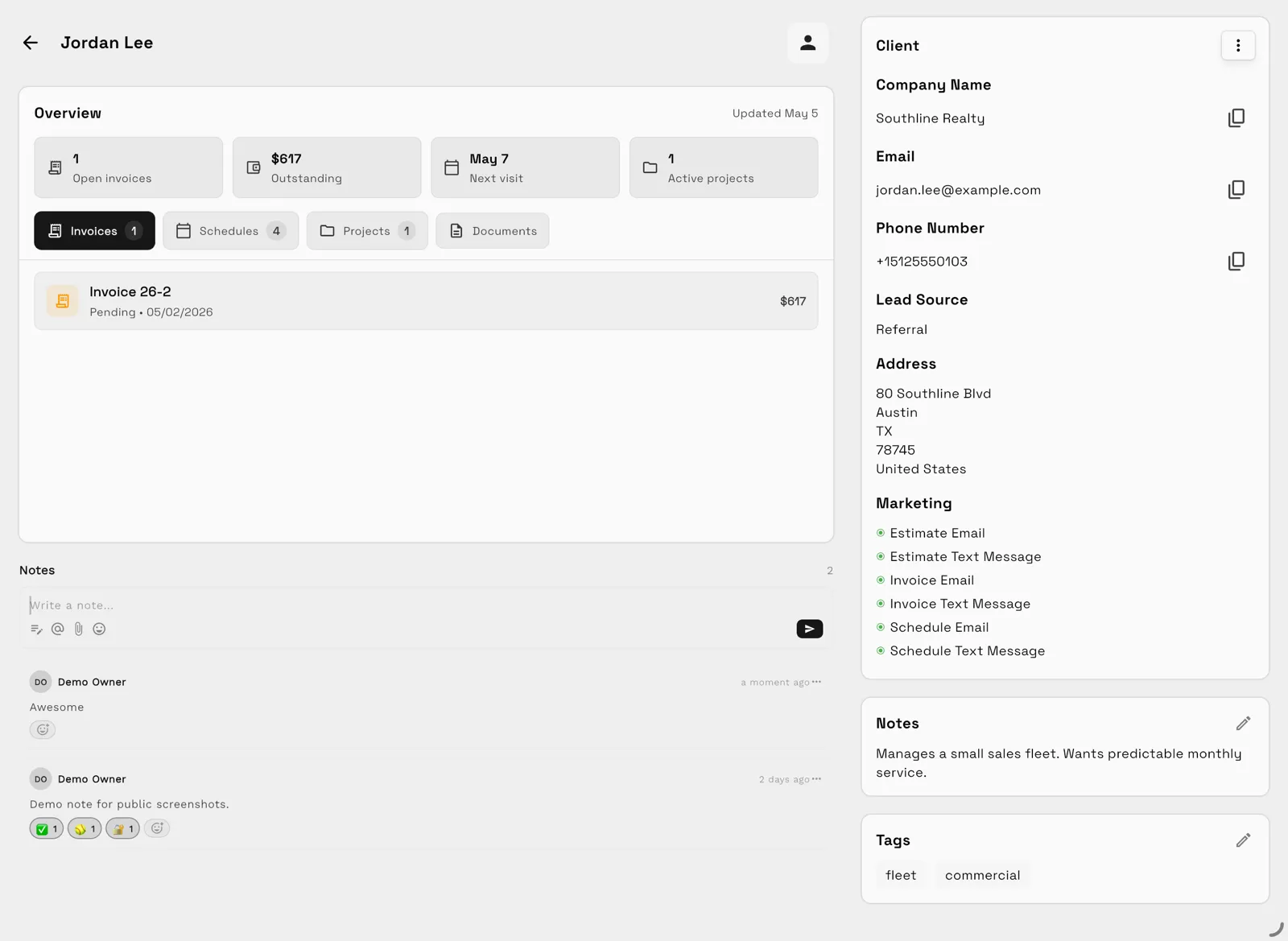
Key facts
CRM for freelance developers at Workspace369 covers 9 areas, including client records, proposals, projects and tasks.
The workflow runs in 5 steps, from "isolate the request in client records" to "generate and send the invoice".
Workspace369 starts at $29/mo for 1 seat, and the Commander plan includes 20 seats and 12× Cadet usage at $299/mo.
Additional seats cost $10 each; full pricing is public on the Workspace369 pricing page.
Which CRM a freelance developer needs depends on how you bill. Workspace369 fits fixed-bid deposits, retainers and tracked hours on one record, with a portal from Cadet at $29 a month ($23.25 billed yearly), limited to 5 active projects and 1 seat. Harvest fits time and invoices but lists no proposals or CRM, and is free for 1 seat and 2 projects. Bonsai ($25 Essentials, $19 yearly), Plutio ($19 Core, capped at 9 active clients) and Moxie ($12 Starter) suit contracts at a lower solo price.
| Tool | Entry price (monthly) | Billed yearly | Proposals and invoices on entry plan | Main entry-plan limit | Trial |
|---|---|---|---|---|---|
| Workspace369 | $29 (Cadet) | $23.25 a month | Yes, plus deposits and time tracking | 5 active projects, 1 seat | 14 days, card required |
| Bonsai | $25 (Essentials; Basic $15 lacks both) | $19 a month | Yes, from Essentials | Per-user pricing | 7 days, card requested after |
| Plutio | $19 (Core) | $15.83 a month | Yes | 9 active clients, solo | 7 days, no card |
| Moxie | $12 (Starter) | $10 a month | Yes | No portal or automations | 14 days, no card |
| Harvest | $11 per seat (Teams); free plan | $9 per seat a month | Invoices and estimates, no proposals | Free: 1 seat, 2 projects | 30 days, no card |
| HubSpot | Free | Free | Invoices and legacy quotes; current quotes need Revenue Hub Professional | 2 users, 1,000 contacts | Free plan, no card |
Prices and limits from each vendor's official pricing page, checked October 16, 2026, in USD. Prices change, so confirm before you buy. Read the full buyer's guide.
A bug report, warranty fix and paid feature request can look similar in chat. Record the request beside the original scope so you can agree whether new work is billable before starting.
Keep the accepted proposal and maintenance terms with the client record. If the request changes the agreement, document the new scope and price before scheduling the tasks.
Keep business conversations, proposals, project tasks and invoices together. Source control, deployment and monitoring stay in the tools you already use for technical delivery.
Share the relevant proposal, invoice or files with the client and agree on a status-update routine. Check access before sharing project information.
Clients watch progress, files, and invoices in a branded portal instead of asking your team for updates.
Email lands beside the client record on every plan; texts, calls and voicemail join it from Voyager, with AI call summaries from Specialist.
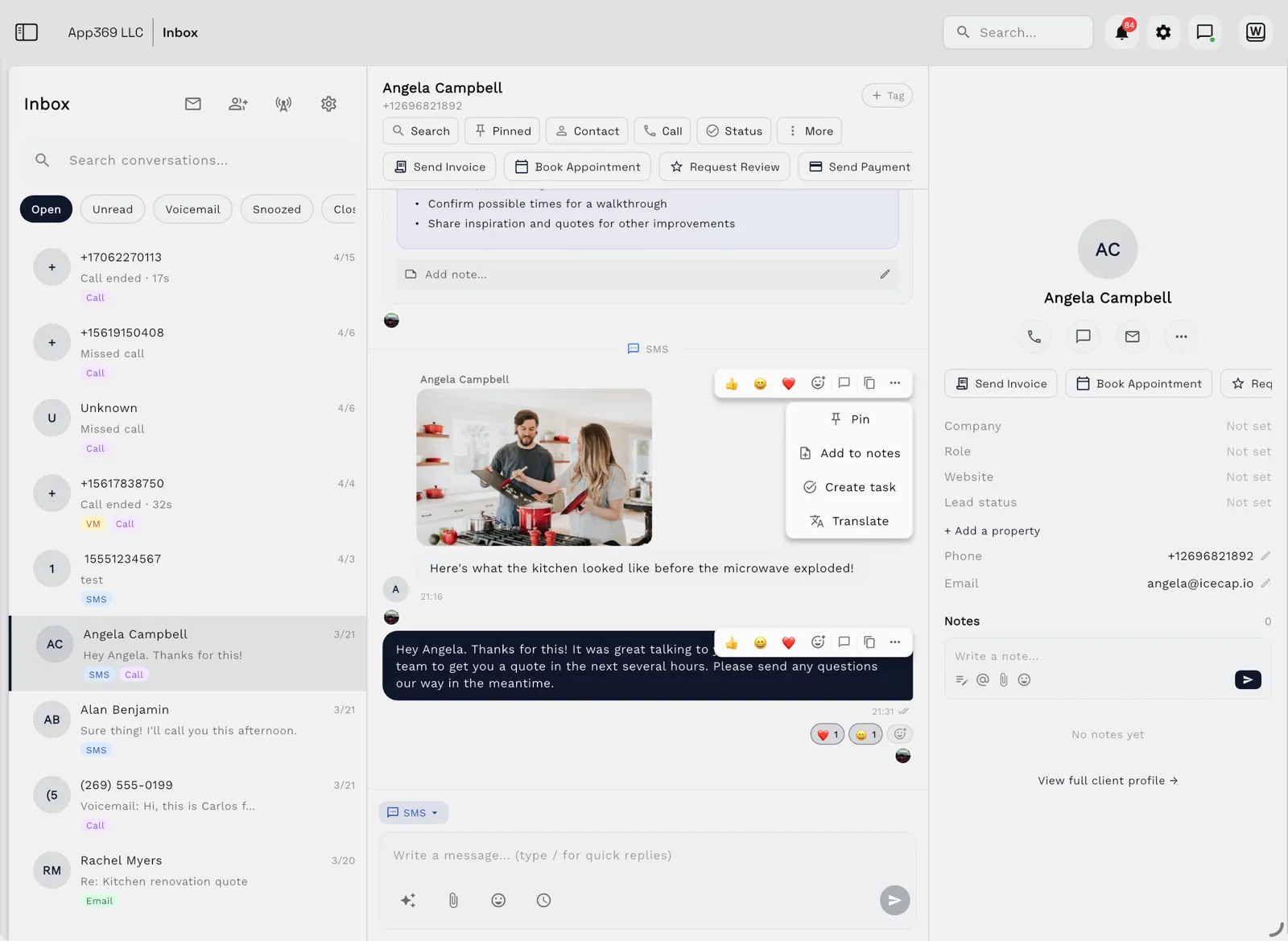
Tasks, files, and status for every engagement — visible to the team and, through the client portal, to the client.
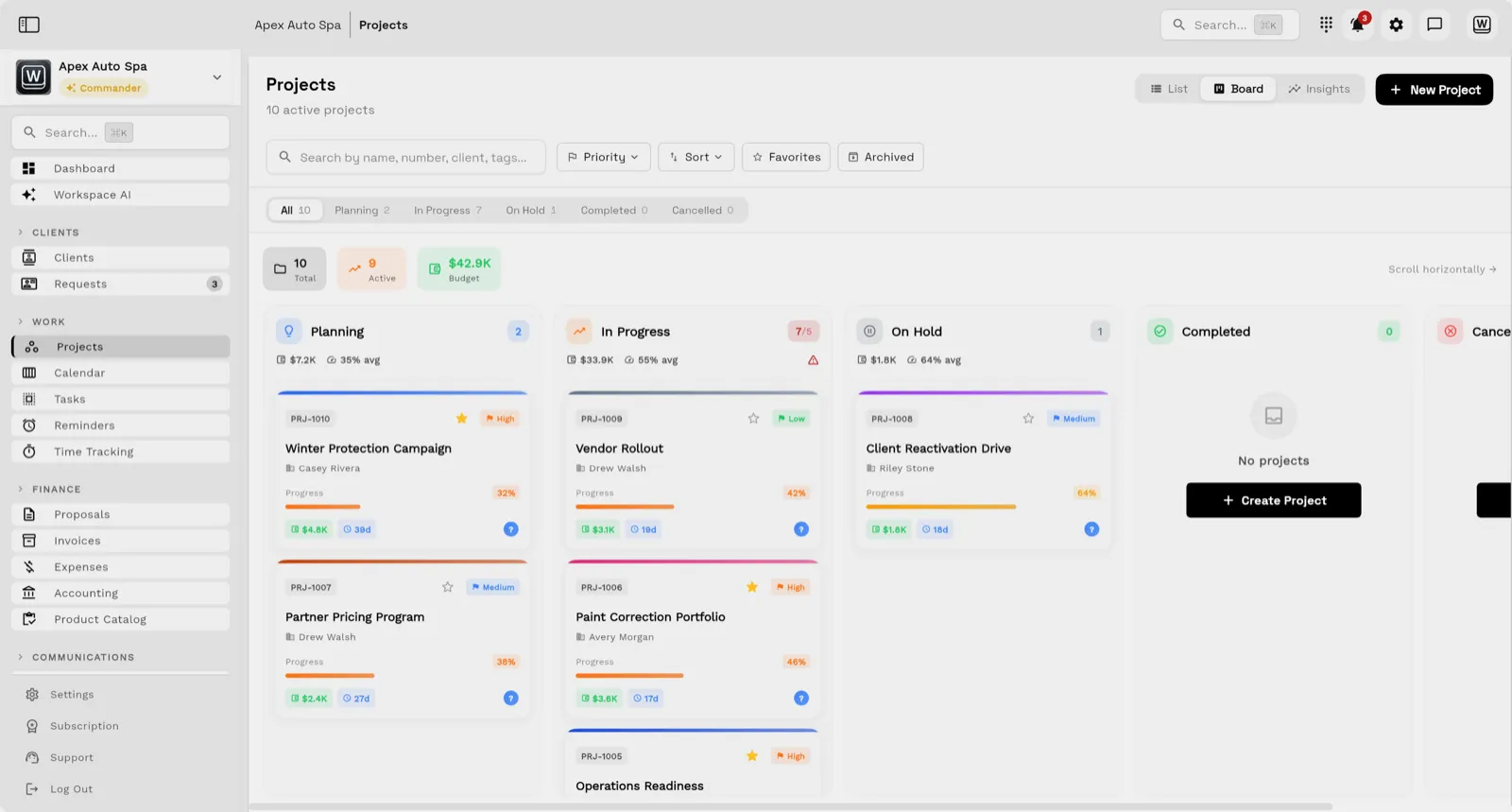
Prepare the client invoice with line items, payment terms and the agreed amount. Review it before sending and track its payment status.
When a client requests post-launch maintenance beyond the agreed project term, log the request immediately within their client records. Do not open your code editor or touch production environments yet. Document the specific technical symptoms described by the client in the conversations log, so that the client context is recorded before any technical investigation begins. This initial step establishes a clear record of the request, which supports accurate tracking and future reference.
Draft a new document using the Proposals feature that outlines the hourly rate or fixed fee for the extended maintenance work. Detail the exact scope boundaries in the text, specifying that server monitoring and source control live outside this agreement. Send the proposal to the client to establish financial alignment before scheduling any work. This helps clarify the cost and scope of the maintenance before you invest time in technical execution.
Use the scheduling feature to block out a dedicated block of time for the diagnostic review. Add the session to your calendar and email the client the date and time, with an appointment reminder, so they know exactly when you will be investigating their production environment. This keeps client expectations managed and prevents them from expecting immediate, unbilled emergency interventions during your personal time. Putting these sessions on the calendar clearly helps maintain a professional workflow and respects your operational boundaries.
Once the client agrees to the proposal, initialize a new project within Workspace369 dedicated specifically to post-launch maintenance. Break down the requested adjustments into explicit tasks and attach any necessary configuration files or logs provided by the client. This helps keep the execution structured and supports staying within the agreed scope. Having a dedicated project space helps keep maintenance activities organized and auditable.
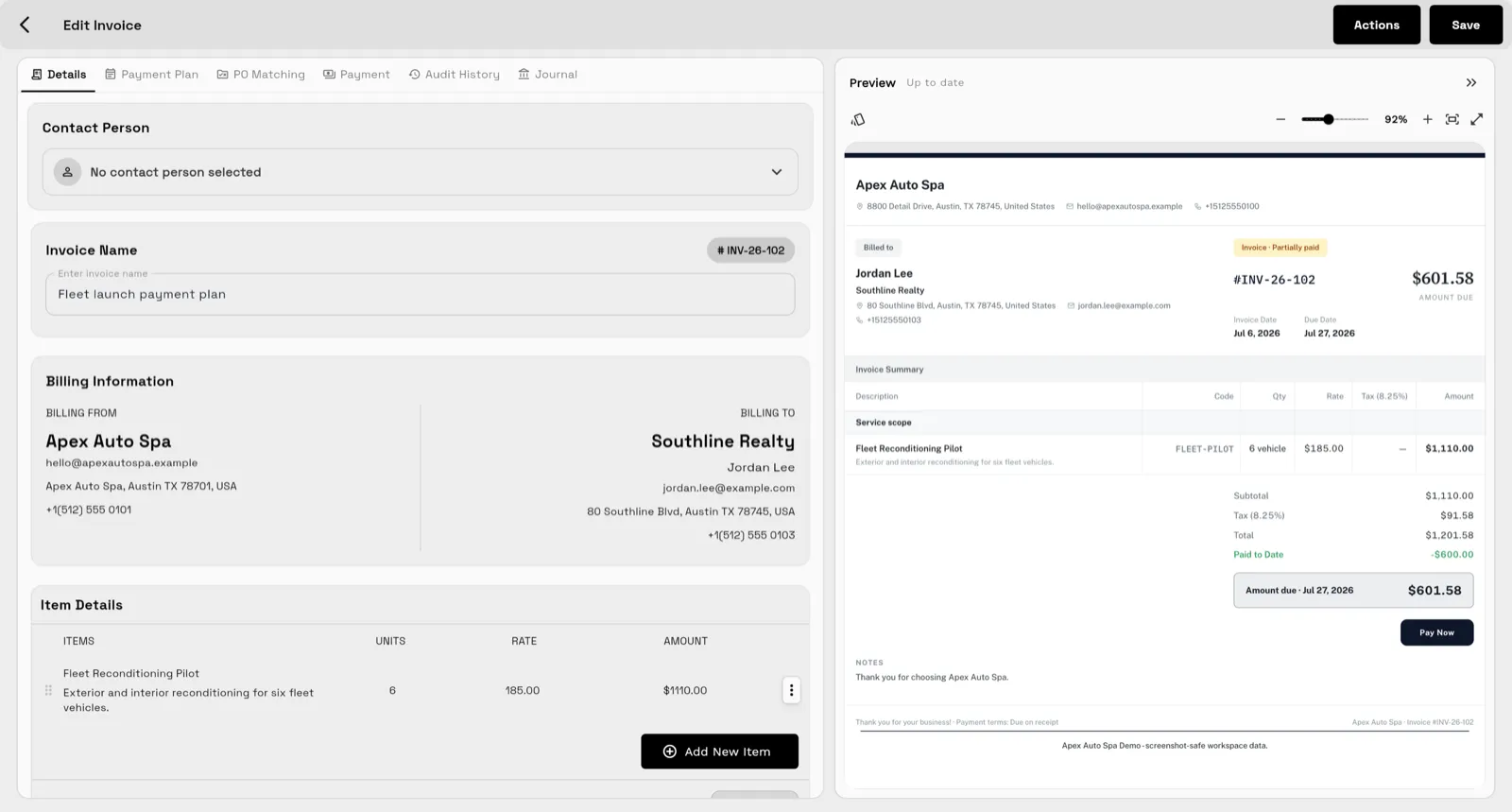
After completing the tasks and updating the client portal, generate an invoice directly from the project records. Link the completed tasks to the invoice line items to show the client exactly what maintenance work was performed. This clear documentation supports transparent billing and helps close out the maintenance cycle before the next request arrives. Prompt and detailed invoicing helps maintain steady cash flow and reinforces the professional nature of your freelance business.
$29 / month
Founding offer: $174 for your first year, billed yearly
1 seat included
14-day free trial. Card required. After the trial: $29/month for Cadet. Renews automatically every month until you cancel. Cancel anytime in Settings → Billing.
$74 / month
Founding offer: $444 for your first year, billed yearly
2 seats included
Everything in Cadet, plus
14-day free trial. Card required. After the trial: $74/month for Voyager. Renews automatically every month until you cancel. Cancel anytime in Settings → Billing.
$149 / month
Founding offer: $894 for your first year, billed yearly
10 seats included
Everything in Voyager, plus
14-day free trial. Card required. After the trial: $149/month for Specialist. Renews automatically every month until you cancel. Cancel anytime in Settings → Billing.
Founding member offer on yearly plans: your first year costs the same as 6 months, for the first 100 customers who join by Oct 31. USD monthly billing. Compare all plans.
Our team sets up your workspace with you and helps move your clients and invoices from the tools you use now.
Export your data as a spreadsheet and AI Import maps the columns for you. Support can help with anything unusual.
Offer ends .
14 days free · card required · then $29/mo · cancel anytime
After signup, claim free setup in your workspace.
SMB ModernizationGreat tool for modernizing small businesses. Ability to leverage AI without technical background.
True all-in-one systemIt beautifully combined my CRM, team calendar, and billing tools so I could finally stop paying for a bunch of separate software subscriptions
Best app for my construction businessGreat app. This app solved all my needs! Not only did it help, but it is cheaper than other apps. I highly recommend this app if you want to start organizing and automating your business on another level. Also love the design
Quoted exactly as written, in the reviewer’s own language. This is a selection of reviews, not all of them. Reviews from our own team are left out of the selection, but the overall rating includes their ratings.
14-day free trial. Card required. After the trial: from $29/month. Renews automatically every month until you cancel. Cancel anytime in Settings → Billing.
A freelance developer CRM should connect inquiries, client records, approved scope, project tasks and invoices. Workspace369 covers that client-work loop from Cadet at $29/month in USD for one seat. Keep source control, deployment and technical monitoring in your developer tools.
Every plan, including Cadet at $29/month, includes time tracking, timers, timesheets, billable time and time-to-invoice. Calls, SMS and the shared inbox start at Voyager ($74/month for two seats). Track development or maintenance time against the client, project or task, then review the hours and invoice items before sending.
Record the request with the client, compare it with the accepted proposal and agree on any additional scope, fee and delivery date. Create the approved tasks and keep supporting notes with the work. A separate maintenance project can make ongoing work easier to review before invoicing.
Every plan includes Requests and public intake forms. Review incoming requests before turning them into client work. Public proposal, invoice and file-sharing links are available on every plan; choose what to share with each client.
Webhooks and API integrations start at Specialist, which costs $149/month in USD for ten seats. Define the records and events to connect, set access permissions and test the integration. Keep production credentials in your credential manager, not in client-facing notes or shared files.
Start with the modules you need today, then turn on AI, automations, accounting, inventory, requests, and reporting as the operation grows.
14-day free trial. Card required. After the trial: from $29/month. Renews automatically every month until you cancel. Cancel anytime in Settings → Billing.